
Why Are We Still Reading Lord of the Flies? William Golding and the Darkness Within Human Nature
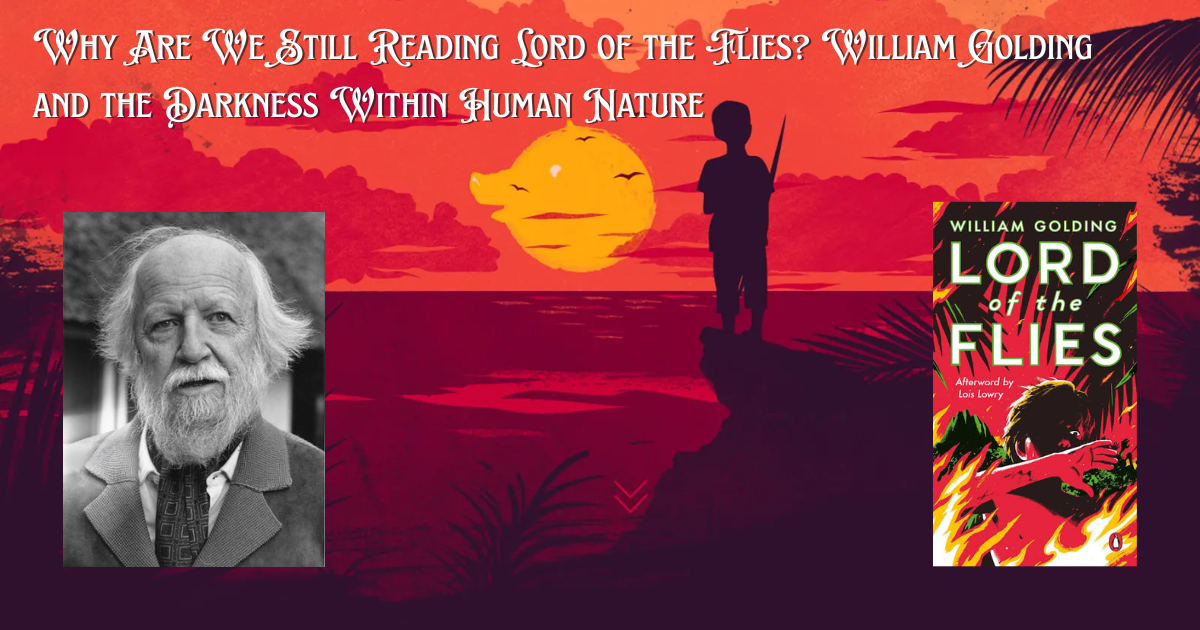
What happens when the rules disappear? No teachers. No parents. No police. No laws. No adults to tell us what is right and wrong. Just a group of children, an island, and the freedom to decide what happens next. When William Golding published Lord of the Flies in 1954, he turned this deceptively simple premise into one of the most unsettling novels of the twentieth century. More than seven decades later, the book remains a fixture in classrooms, book clubs and reading lists. Its setting may be an unnamed tropical island, but its questions have never stayed there. What holds society together? Are human beings naturally cooperative, or does civilisation merely keep something darker under control? And what happens when fear becomes more powerful than reason? Golding does not offer comfortable answers. Also read: One Stormy Night, One Ghost Story Contest: How Mary Shelley's Frankenstein Was Born

7 T. S. Eliot Poems Every Literature Lover Should Read
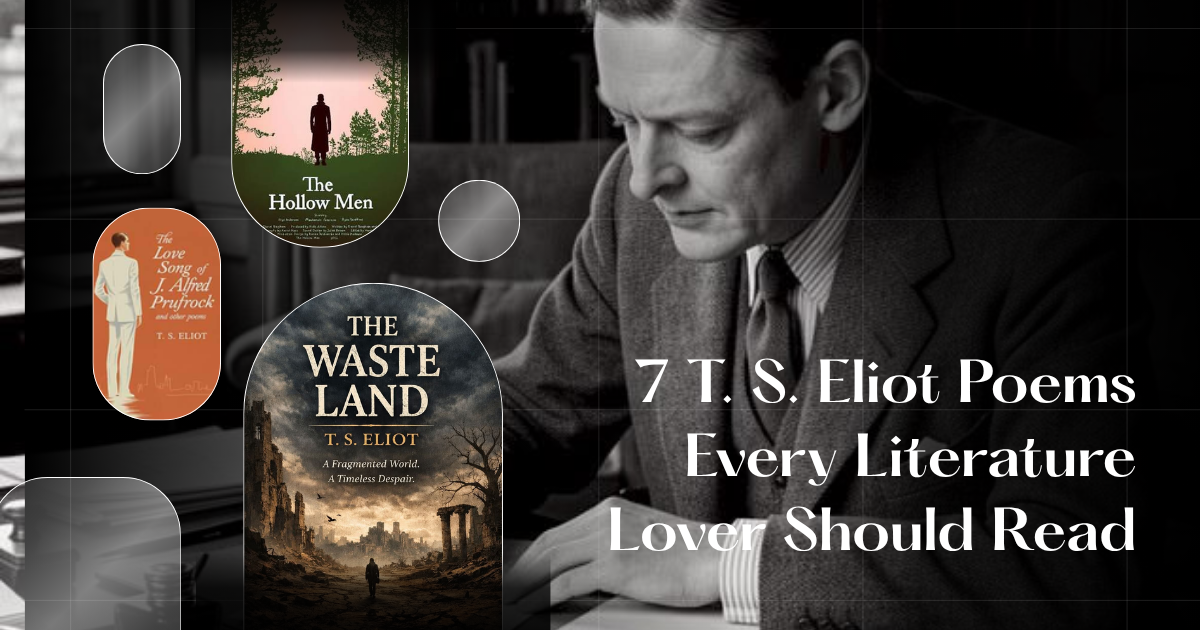
Few poets have captured the strange, restless mood of modern life quite like T. S. Eliot. His poems can feel fragmented, mysterious and even intimidating at first, filled with voices, quotations, literary references and sudden shifts in time and place. Yet beneath that complexity is a poet deeply interested in questions that remain remarkably familiar: What gives life meaning? Why do people feel lonely in crowded cities? Can faith survive doubt? And what does it mean to live in a world that seems to have lost its certainty? Born in St. Louis in 1888 and later settled in Britain, Eliot became one of the defining literary figures of the twentieth century. His poetry helped reshape modernism, breaking away from the expectations of traditional poetic form and creating a new language for a fractured age. If you are beginning your journey into Eliot, these seven poems offer a fascinating way in. Also read: One Stormy Night, One Ghost Story Contest: How Mary Shelley's Frankenstein Was Born
From Devdas to Srikanta: Exploring Sarat Chandra Chattopadhyay’s Literary World

Indian literature is filled with unforgettable tales of love, loss, and longing, and few stories have captured the imagination of readers and filmmakers quite like Devdas. The tragic romance has travelled across languages and generations, becoming one of the most celebrated stories in Indian popular culture. Behind this timeless tale was a writer whose own life and literary world were equally fascinating—Sarat Chandra Chattopadhyay.
Goethe’s “World Literature”: Why a 200-Year-Old Idea Still Shapes the Way We Read
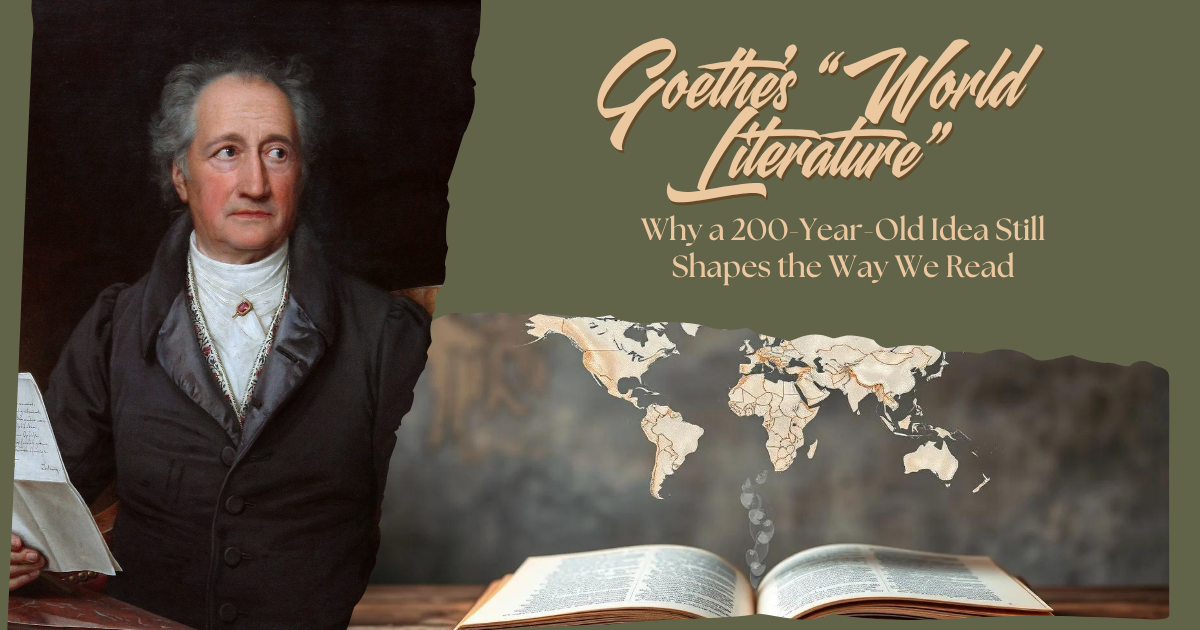
In the early nineteenth century, when most readers still thought of literature largely in national terms, Johann Wolfgang von Goethe had a remarkably different idea. Literature, he suggested, did not belong neatly inside borders. A poem written in Persia could speak to a reader in Germany; a Chinese novel could offer something meaningful to a European audience; a foreign play could change the way a writer understood his own craft. Goethe gave this idea a name: Weltliteratur, or World Literature. The phrase may sound perfectly natural today. After all, we live in a literary world where readers move effortlessly from Japanese novels to Nigerian fiction, from Latin American magical realism to Indian poetry. But when Goethe began speaking about Weltliteratur around 1827, the idea was startlingly modern. Nearly two centuries later, it continues to influence how books are translated, taught, published and read. Also read: 6 Lord Alfred Tennyson Lines You've Heard Without Knowing It
One Stormy Night, One Ghost Story Contest: How Mary Shelley's Frankenstein Was Born

Imagine you are with your friends, and you’ve planned to hang out together and enjoy the summer. But life has other plans. The weather suddenly takes a turn for the worse, and now you have to spend the stormy night together. If this were a modern-day scenario, you’d probably have your phones in your hands, music playing in the background, and endless things to talk about. You could complain about how hectic life has been, scroll through social media, or put on a movie. With the internet at your fingertips, entertainment would be almost effortless. Writing and creating something together probably wouldn’t be the first thing on anyone’s mind. But centuries ago, four writers found themselves in almost exactly this situation. One of them was a teenage Mary Shelley. There were no phones to scroll through, no streaming services to turn to, and no internet to rescue them from boredom. Instead, they had books, conversations, imagination—and a particularly miserable summer of 1816, the Year Without Summer.
Anne of Green Gables—A Review by Gursharan Kaur

“I’m so glad I live in a world where there are Octobers.” - Anne Shirley It had been a while since I had read something so lighthearted and innocent. Usually, my reading involves a lot of heavy stuff, and picking up Anne of Green Gables in the middle of it felt like a huge relief for my brain. The innocence and the playfulness that Anne – the main character embodies, feels like a journey back to my own childhood. Anne is an eleven-year-old girl looking for a place to call her forever home. She is talkative, sweet, full of life, and loves to give her own names to the places she encounters in nature. Coming from a home where my sister and I were the two children growing up in a patriarchal world, I found the novel and its theme deeply reflective of the social attitudes and expectations that continue to shape and inhibit us. Anne of Green Gables is a story of a girl arriving at a house where two siblings live and are hoping to adopt a boy who could help them with the chores in the house. But instead, they got a girl. The novel takes up what happens when they must raise a girl instead of a boy and the rest of the book follows the story of Anne who finally has found a home.
Booker Prize 2026 Longlist Includes Former Winners and Debut Novelists
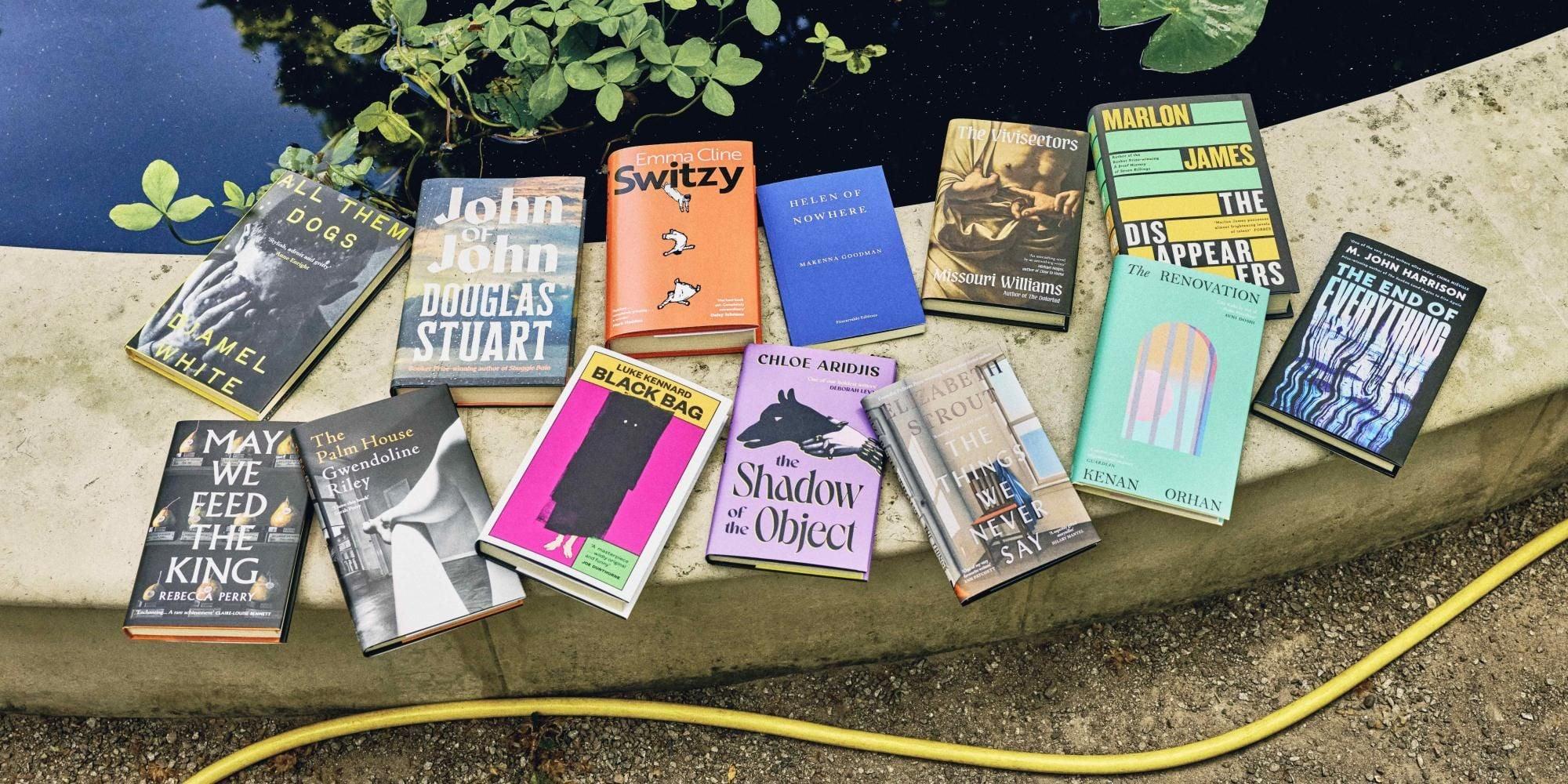
The Booker Prize 2026 longlist has been announced, unveiling the 13 novels in contention for one of the world's most prestigious awards for English-language fiction. Selected from 163 submissions, this year's "Booker Dozen" was chosen by a judging panel chaired by celebrated scholar, writer and broadcaster Mary Beard, alongside award-winning poet, writer and educator Raymond Antrobus, musician, writer and broadcaster Jarvis Cocker, journalist, editor and critic Rebecca Liu, and Booker Prize-shortlisted novelist, poet and essayist Patricia Lockwood. Describing the selection as one that "rewards risk," the judges have highlighted a longlist that celebrates originality, ambition and the enduring power of the novel.
Women's Prize 2026: Virginia Evans, Lyse Doucet Win Honours for Fiction & Non-Fiction

The Women's Prize announced its 2026 winners on 11 June, with American novelist Virginia Evans taking the Fiction prize and Canadian journalist Lyse Doucet winning the Non-fiction award. Both prizes carry a purse of £30,000 and are open to female English-language writers worldwide. Evans won for The Correspondent , an epistolary novel told through years of letters written by retired lawyer Sybil Van Antwerp to friends, family, and famous writers. Written during the COVID-19 pandemic and released quietly in 2025, the book gradually climbed bestseller lists to become a word-of-mouth sensation and book club favourite—remarkable for an author who had written seven unpublished novels before it. A film adaptation starring Jane Fonda is in development.
Persepolis Author and Acclaimed Artist Marjane Satrapi Passes Away, Aged 58
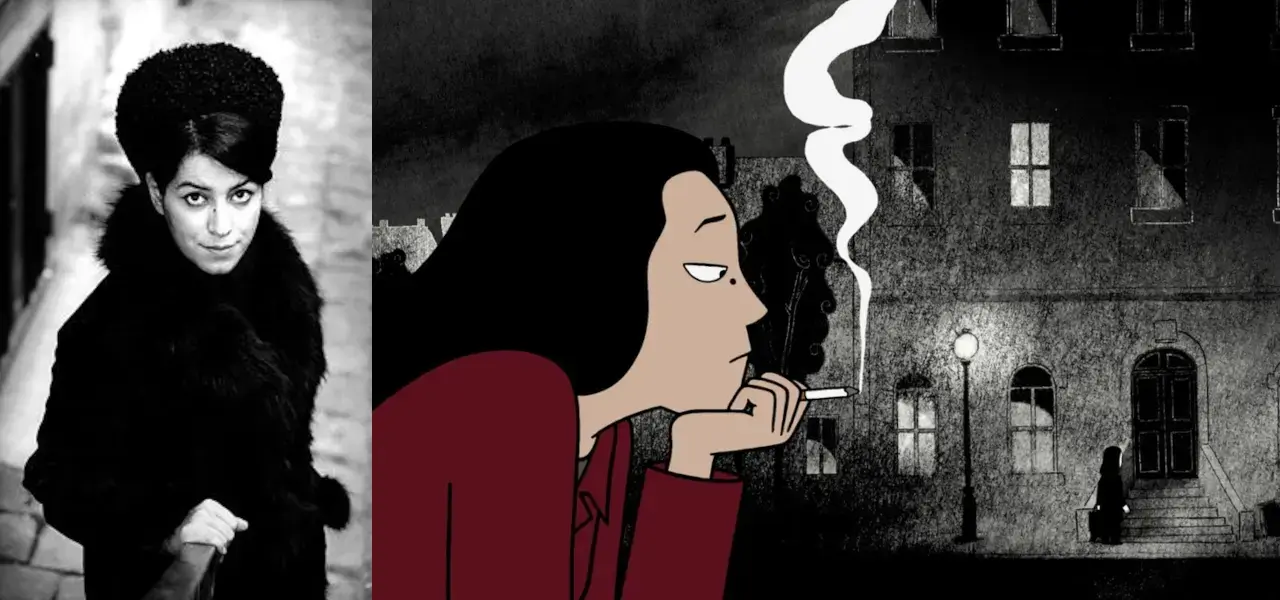
Marjane Satrapi, the celebrated French-Iranian graphic novelist, filmmaker, and human rights advocate best known for her groundbreaking memoir Persepolis , has died in Paris at the age of 56. The news was confirmed by French authorities and members of her family. According to family statements cited by French media, Satrapi had been deeply affected by the death of her husband, Swedish producer Mattias Ripa, in 2025. Born in Rasht, Iran, in 1969 and raised in Tehran, Satrapi gained international recognition with Persepolis , her autobiographical graphic memoir chronicling her childhood during and after the Iranian Revolution. First published in 2000, the work became a global bestseller and was later adapted into an award-winning animated film co-directed by Satrapi, earning an Academy Award nomination. Throughout her career, Satrapi used art and storytelling to explore themes of identity, exile, freedom, and resistance. Beyond Persepolis , she authored acclaimed works including Chicken with Plums and remained an outspoken advocate for women's rights and democratic freedoms in Iran. Her recent work continued to highlight the struggles and resilience of the Iranian people. Tributes poured in from across the literary, artistic, and political worlds. French President Emmanuel Macron described her as a great artist whose work transformed her personal experiences into a universal story of freedom and courage. Satrapi leaves behind a remarkable legacy that reshaped the graphic memoir genre and introduced millions of readers worldwide to a deeply personal perspective on modern Iranian history. Her work remains a powerful testament to the enduring role of storytelling in confronting oppression and preserving memory.
‘Taiwan Travelogue’ Wins the 2026 International Booker Prize: A Powerful Reflection on Culture and Belonging
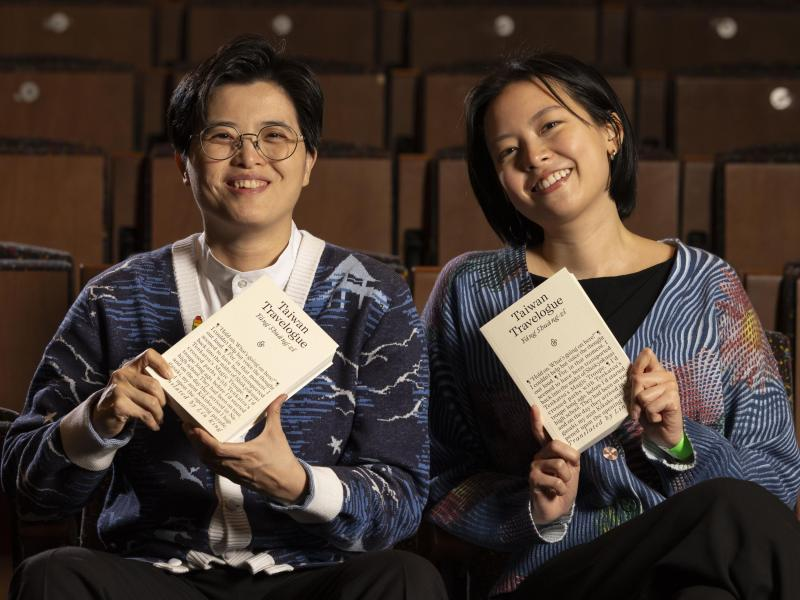
Taiwan Travelogue has become the first book translated from Mandarin Chinese to win the International Booker Prize. Framed as a fictional translation of a rediscovered Japanese travel memoir, the novel explores themes of history, class, colonialism, power, and love through the journey of two women travelling across Japanese-occupied Taiwan in the 1930s. The winner was announced at a ceremony held at London’s Tate Modern on May 19, 2026, by award-winning author Natasha Brown, who chaired this year’s judging panel. The 2026 jury also included writer and broadcaster Marcus du Sautoy, translator Sophie Hughes, writer and bookseller Troy Onyango, and novelist and columnist Nilanjana S. Roy.
Arundhati Roy Wins the National Book Critics Circle Award for Autobiography

“When it came to me, Mrs Roy taught me how to think, then raged against my thoughts. She taught me to be free and raged against my freedom. She taught me to write and resented the author I became”
International Booker Prize 2026 Shortlist Announced

The 2026 International Booker Prize shortlist, announced on 31 March, marks the award’s 10th anniversary with a diverse and globally representative selection of six translated works of fiction. Chosen from a longlist of 13 titles (and 128 submissions overall), the shortlist spans multiple languages, continents, and historical moments, reflecting themes of memory, exile, identity, and humanity. With five women authors and four women translators featured, the prize continues to highlight the collaborative art of bringing world literature into English, with the £50,000 award to be shared between author and translator. The winning book will be announced on 19 May in London.