

Parent Categories


Related Products


Related Books

‘Taiwan Travelogue’ Wins the 2026 International Booker Prize: A Powerful Reflection on Culture and Belonging
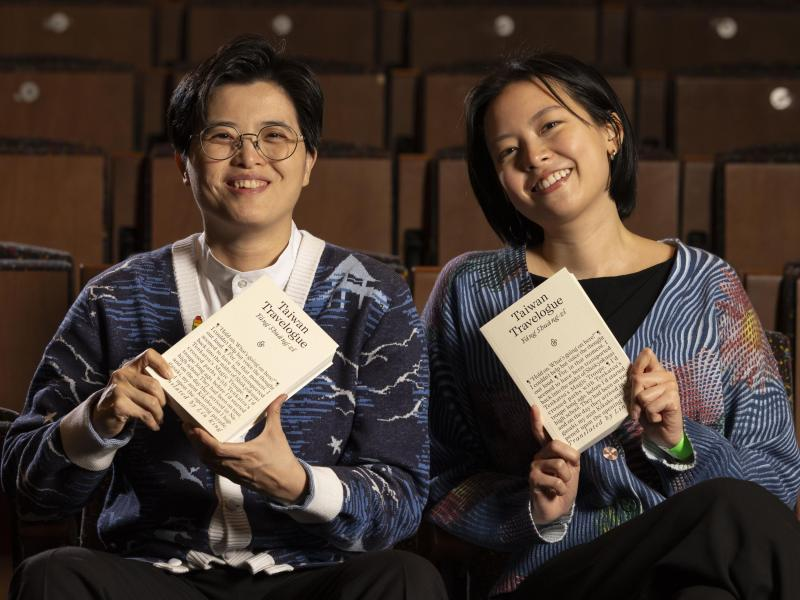 Image Credit: thebookerprizes.com
Taiwan Travelogue has become the first book translated from Mandarin Chinese to win the International Booker Prize. Framed as a fictional translation of a rediscovered Japanese travel memoir, the novel explores themes of history, class, colonialism, power, and love through the journey of two women travelling across Japanese-occupied Taiwan in the 1930s.
The winner was announced at a ceremony held at London’s Tate Modern on May 19, 2026, by award-winning author Natasha Brown, who chaired this year’s judging panel. The 2026 jury also included writer and broadcaster Marcus du Sautoy, translator Sophie Hughes, writer and bookseller Troy Onyango, and novelist and columnist Nilanjana S. Roy.
The literary voices behind the award-winning novel
Written by Taiwanese author Yáng Shuāng-zǐ and translated into English by Lin King, Taiwan Travelogue has been widely praised for its layered narrative style and emotional depth.
Yáng Shuāng-zǐ is known for blending history, identity, and memory into experimental literary fiction. Originally published in Mandarin Chinese in 2020, the novel gained significant recognition in Taiwan before reaching an international audience through Lin King’s English translation. This is also her first book to be translated into the English language.
Lin King is a Taiwanese-American writer and translator. Her translation has been celebrated for preserving the multilingual richness and cultural subtleties of the original text, helping introduce contemporary Taiwanese literature to a wider global readership. Her debut novel, Weeb, is planned to be released this year.
A literary journey through food, memory, and colonial Taiwan
Set in Japanese-occupied Taiwan in 1938, Taiwan Travelogue follows Japanese novelist Chizuko Aoyama as she travels across the island in search of authentic local culture and cuisine. Accompanying her is Chizuru, a young Taiwanese interpreter whose intelligence, warmth, and quiet restraint slowly draw Chizuko closer. As the two women share meals, train journeys, and conversations, their companionship deepens into something more emotionally complex.
Beneath its gentle travel narrative, the novel explores the realities of colonial rule, cultural identity, class, and power. Presented as a fictional translation of a rediscovered Japanese memoir, the book uses layered storytelling and metafictional elements to examine how history shapes personal relationships. First published in Mandarin Chinese in 2020, the novel became a literary sensation in Taiwan and later received the prestigious Golden Tripod Award.
A milestone moment for translated literature
The victory of Taiwan Travelogue marks a significant moment for translated fiction on the global literary stage. By becoming the first Mandarin Chinese work to win the International Booker Prize, the novel not only celebrates Taiwanese literature but also highlights the growing international recognition of stories that cross linguistic and cultural boundaries.
The award further reinforces the importance of translation in contemporary literature, bringing voices, histories, and perspectives from across the world to a wider readership. Through its layered exploration of memory, colonialism, identity, and human connection, Taiwan Travelogue has emerged as a powerful example of literature’s ability to transcend borders.