

Parent Categories

Related blogs




Related Products




Related Books


The Rooms, Silence & Routine of Anne Frank’s Hidden Life
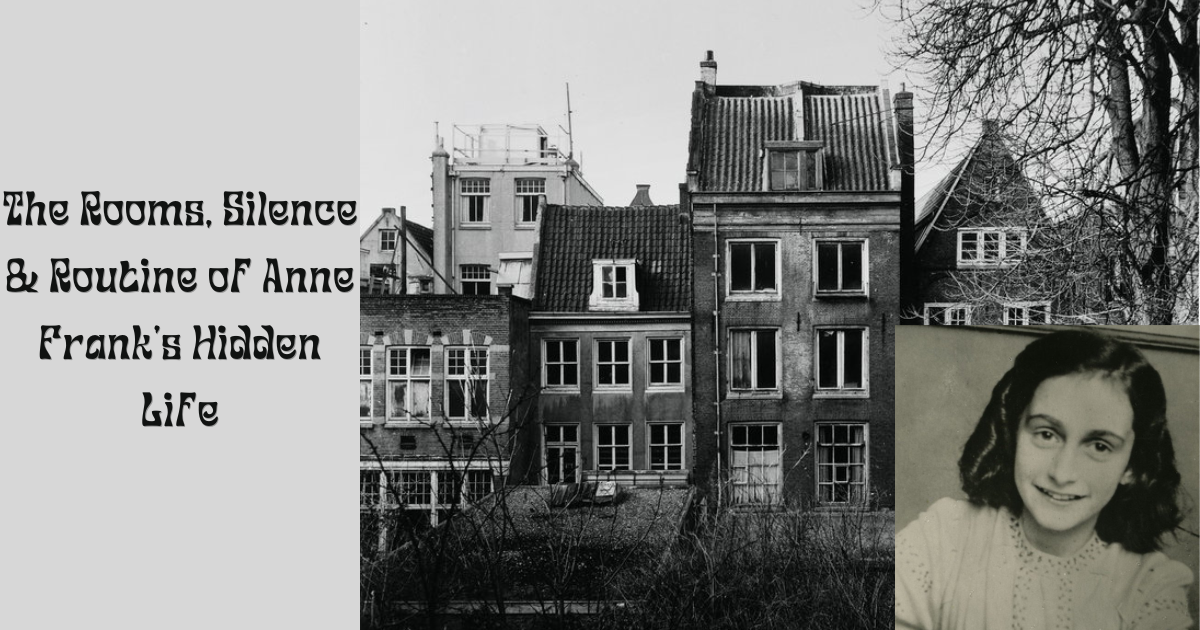 Anne Frank
When people think of Anne Frank, they often think of the diary—the checked notebook that transformed a young girl’s private thoughts into one of the most important testimonies of the twentieth century. Yet behind those famous pages existed a physical world: a collection of small rooms hidden behind a bookcase, where eight people spent more than two years trying not to be discovered.
Life in hiding was not only shaped by fear. It was shaped by creaking floorboards, carefully timed meals, whispered conversations, and endless hours of silence. To understand Anne Frank’s story more deeply, it helps to step inside the Secret Annex and imagine the routines that defined her everyday existence.
Also read: Before They Were Famous: The Odd Jobs Classic Authors Had Before Writing Changed Everything
Entering the Secret Annex
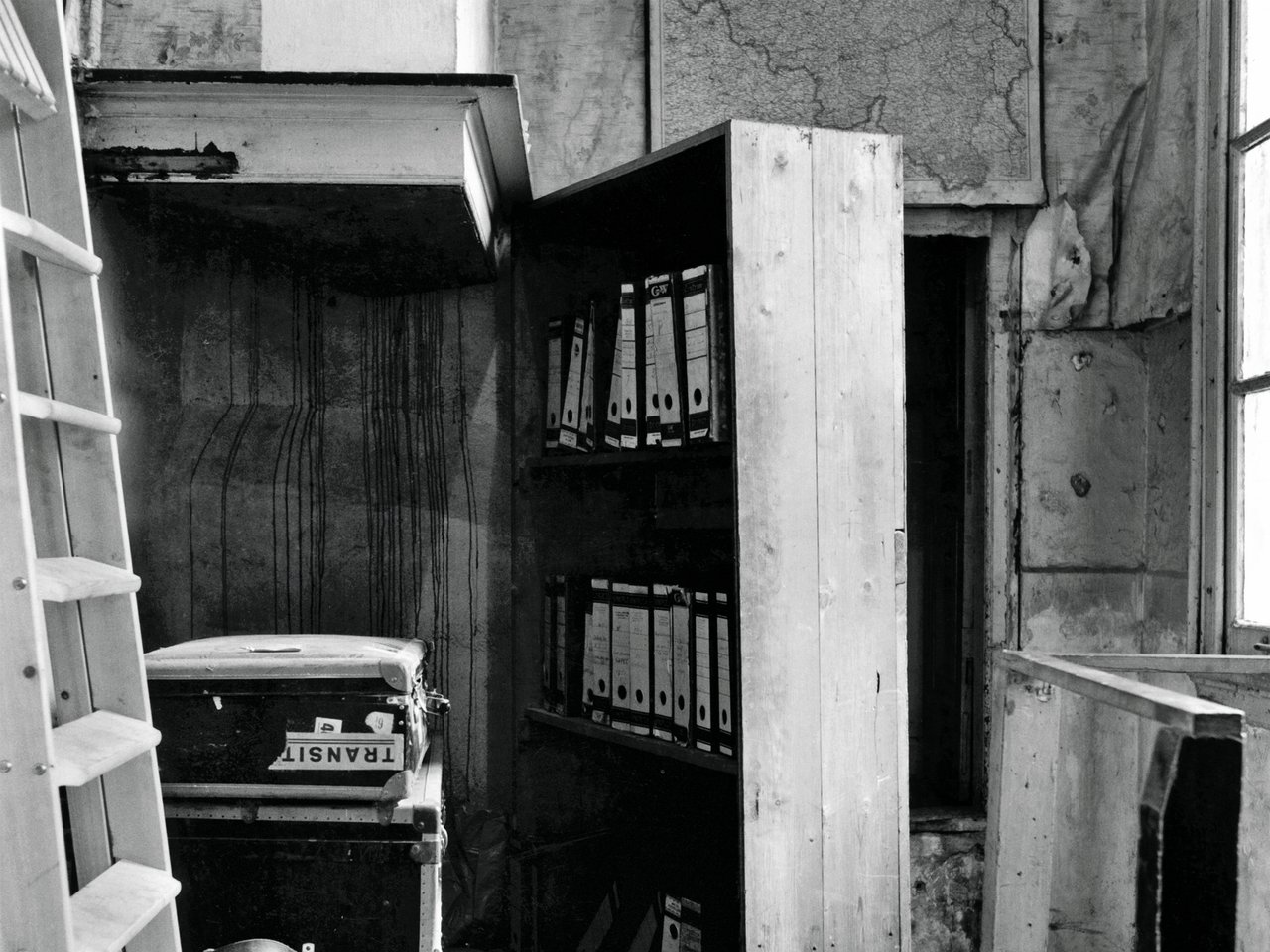 [Image Credit: www.annefrank.org]
In July 1942, as the Nazi occupation of the Netherlands intensified and Jewish families faced increasing persecution, Anne Frank, her parents Otto and Edith, and her sister Margot went into hiding. Their refuge was located behind Otto Frank’s business premises in Amsterdam.
The hidden section of the building would later become known as the Secret Annex. It was concealed from the outside world and accessible through a movable bookcase. Over time, the Frank family was joined by the Van Pels family and Fritz Pfeffer, creating a household of eight people sharing a remarkably limited space.
Today, visitors to the Anne Frank House often remark on how small the rooms feel. Yet for Anne and the others, these rooms were not simply cramped quarters—they became an entire universe. Every emotion, disagreement, celebration, fear, and dream unfolded within their walls.
A House Divided into Tiny Worlds
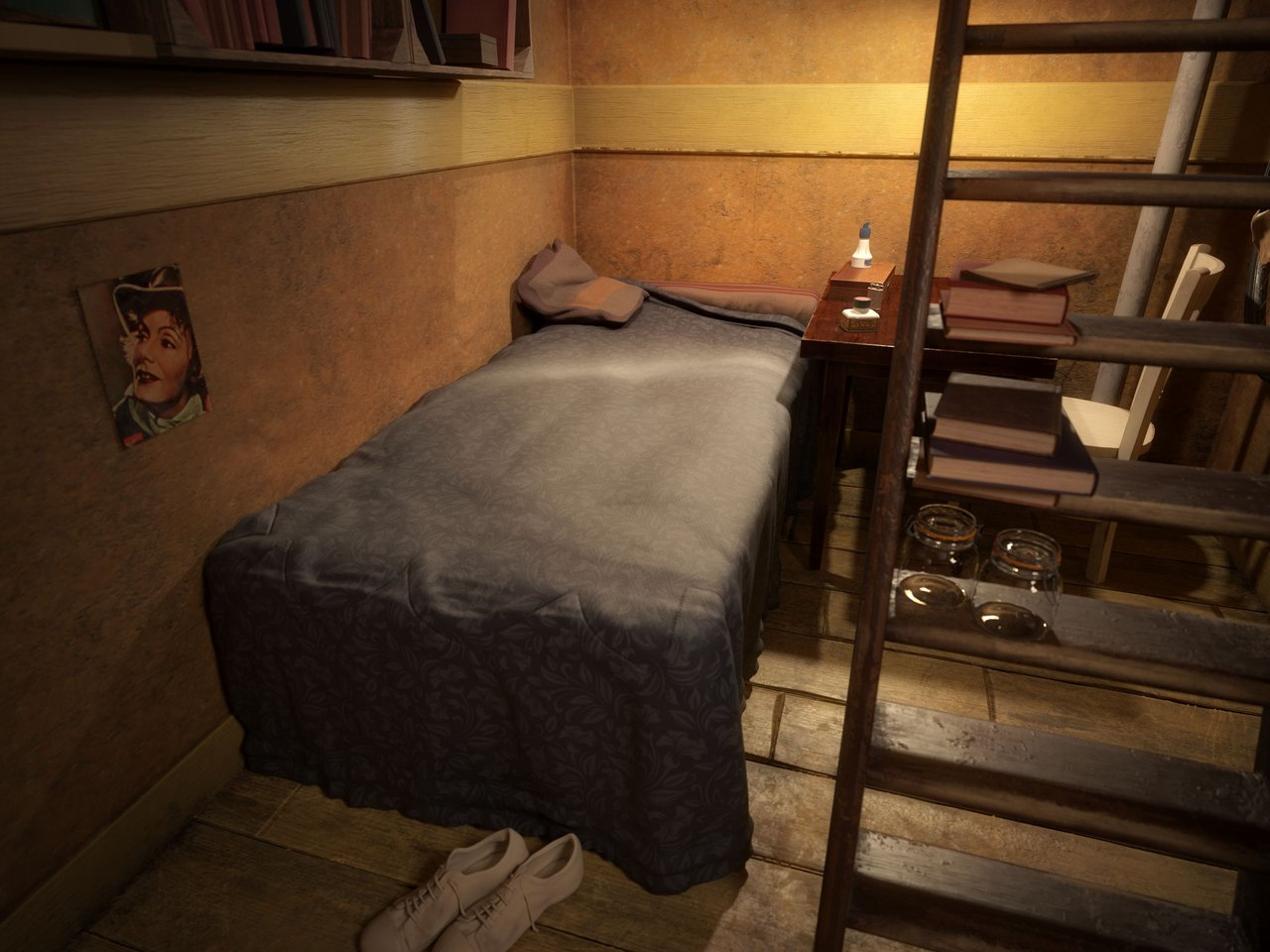 [Image Credit: www.annefrank.org]
 [Image Credit: The New York Times]
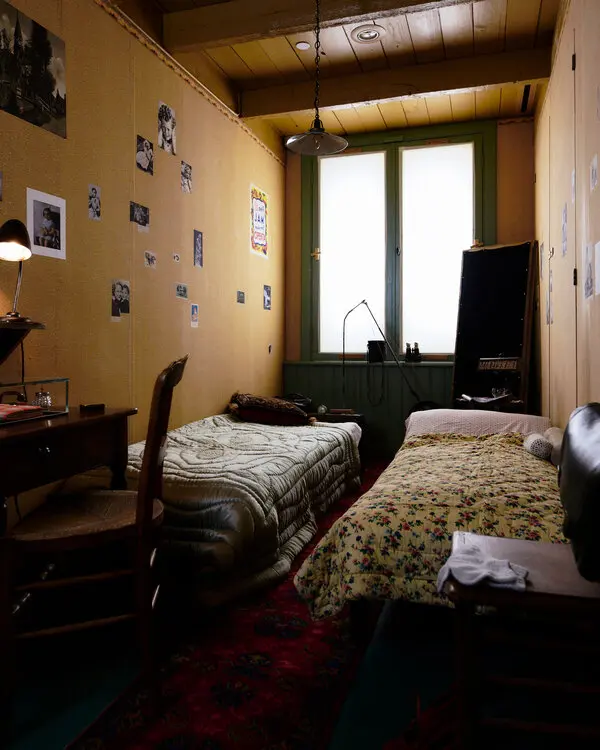
The Annex consisted of several modest rooms spread across different levels. Each room carried its own atmosphere and purpose.
Anne initially shared a room with Fritz Pfeffer, a situation she often described with frustration in her diary. The lack of privacy was one of the greatest challenges of life in hiding. There was little opportunity to be alone with one's thoughts, and personal space was almost nonexistent.
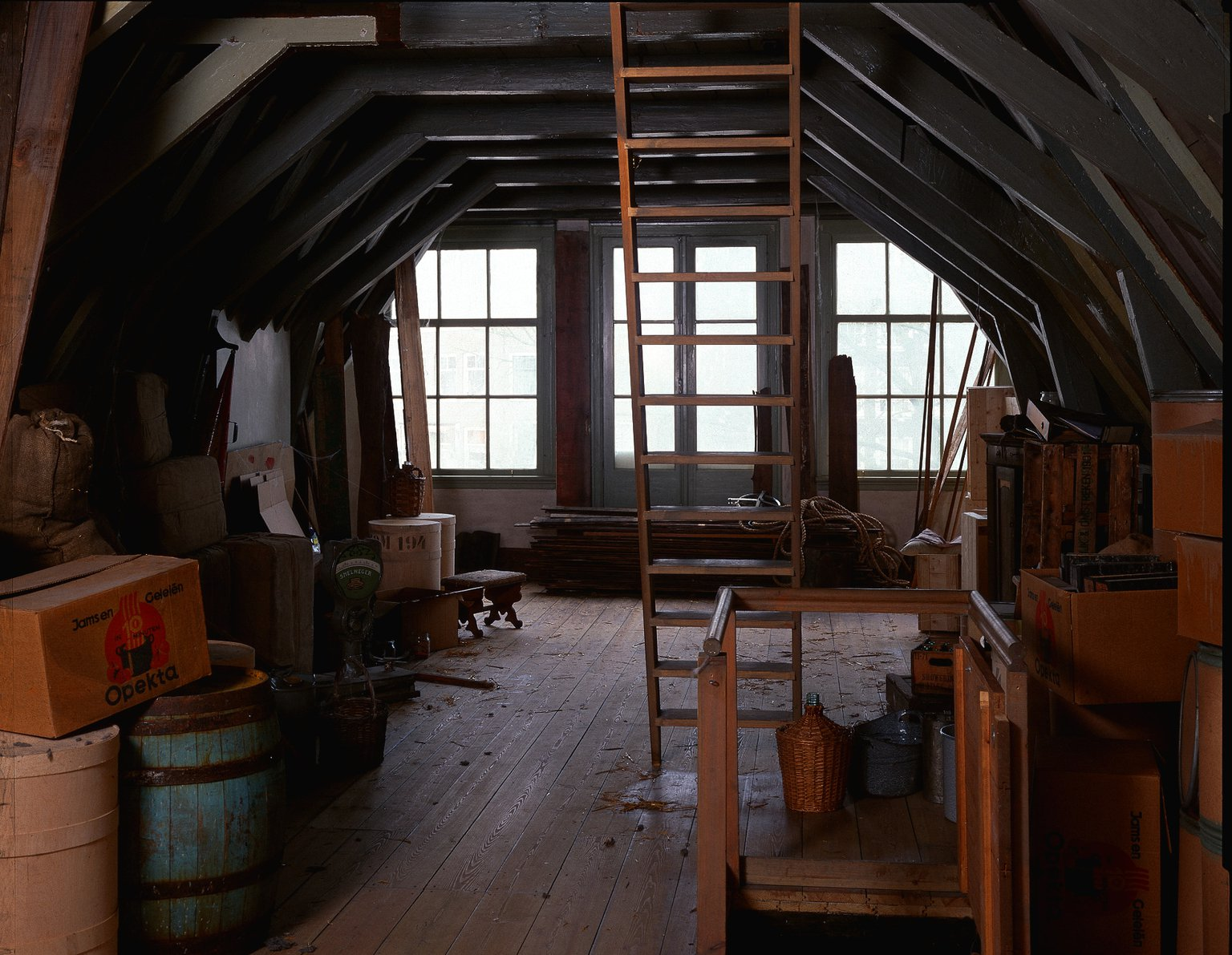
Her parents occupied another room, while the Van Pels family used adjacent spaces. A small attic above the Annex became one of Anne’s favourite places. From there, she could look out at the sky, observe a chestnut tree, and briefly reconnect with the natural world beyond the hidden walls.
 [[The attic. Image Credit: www.annefrank.org]
The attic represented something precious: perspective. While the rooms below reminded her of confinement, the view above reminded her that life continued outside.
The Discipline of Silence
Perhaps the most difficult aspect of life in the Annex was not the lack of space but the necessity of silence.
During business hours, workers occupied the warehouse and offices below. Any unusual sound could raise suspicion. The residents therefore had to move with extraordinary caution.
They could not run water freely.
They could not walk heavily.
They could not speak loudly.
Even ordinary activities had to be carefully managed.
Imagine being a teenager unable to laugh loudly, play music at full volume, or move around whenever you wished. Every creak of a chair or dropped object carried potential danger.
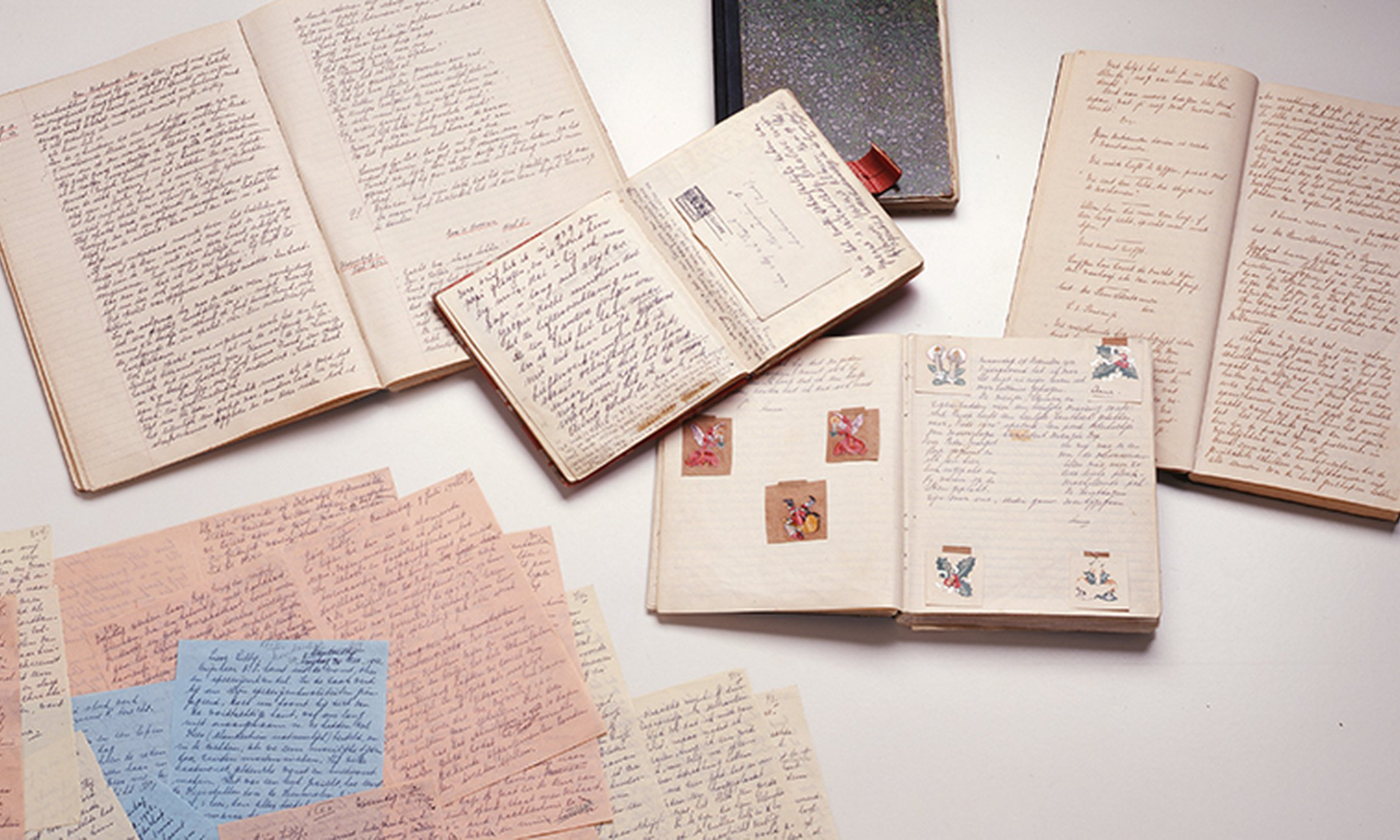 [Anne Frank’s original writings, including her diary, loose pages, notebooks of short stories, and collections of memorable quotations. Image credit: www.annefrank.org]
For Anne, who possessed a lively personality and a sharp sense of humour, this silence must have felt especially restrictive. Yet her diary reveals how she adapted, observing the people around her with remarkable attentiveness. In many ways, the quietness of the Annex amplified her inner voice.
For readers who want to connect more deeply with Anne's voice, Cuppa Classics' The Diary of a Young Girl edition offers a beautifully curated way to experience her words. More than just a historical document, Anne's diary remains a powerful coming-of-age narrative, capturing the thoughts of a teenager whose optimism endured even in extraordinary circumstances.
A Carefully Structured Day
Life in hiding followed a routine that balanced caution with necessity.
The day typically began early. Residents would wash, dress, and prepare for the long hours when movement had to be limited.
Once the workers arrived downstairs, the Annex entered its quiet phase. Reading, studying, writing, and office work that could be done silently occupied much of the day. Anne devoted significant time to her education, determined not to let the war completely interrupt her learning.
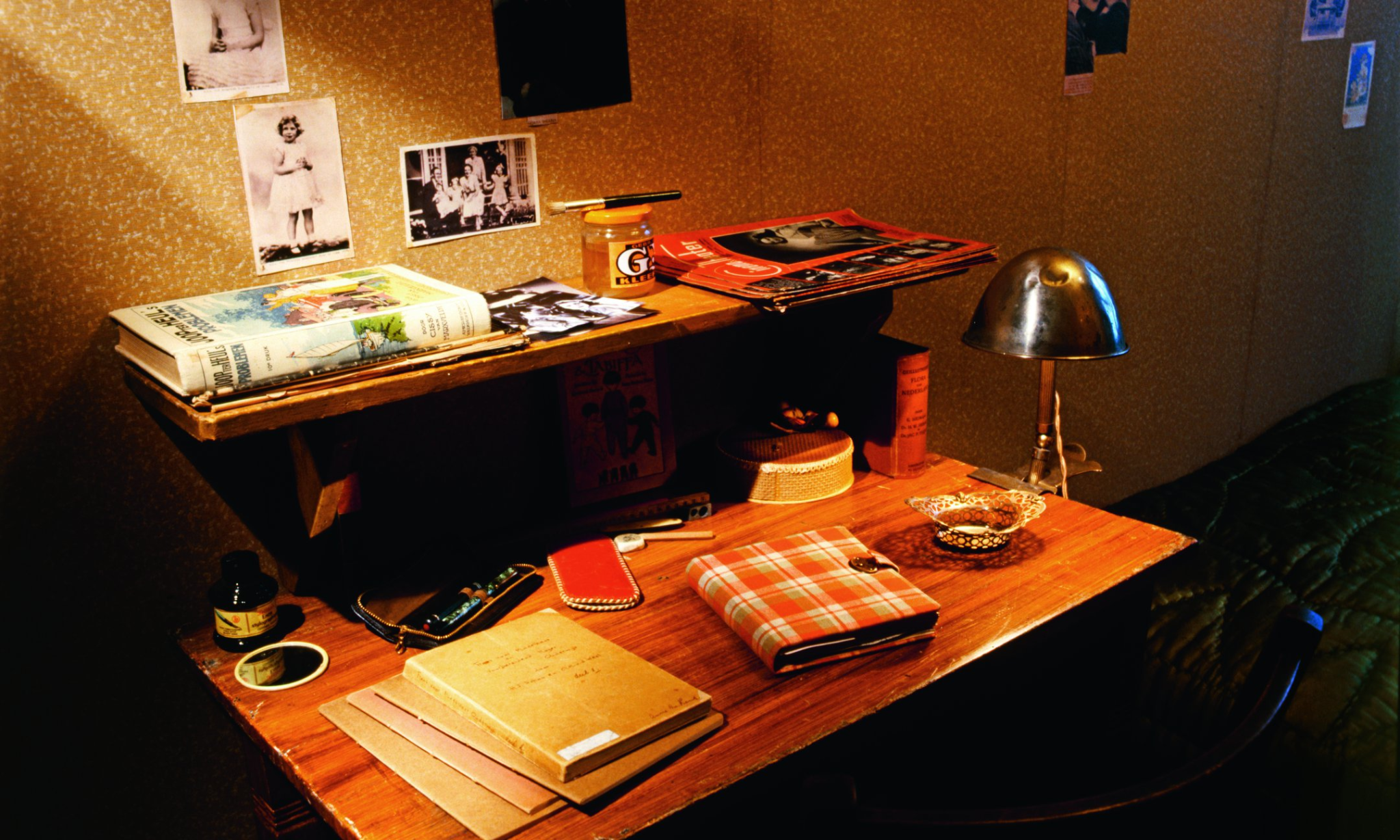 [The recreated writing desk from Anne Frank and Fritz Pfeffer’s shared room in the Secret Annex, reconstructed in 1999. Image credit: www.annefrank.org]
Books became companions. Languages, history, literature, and current events filled many hours.
Meals were modest and often dependent on whatever food could be obtained through trusted helpers. Shortages became increasingly severe as the war progressed. Fresh produce, meat, and other essentials were often difficult to secure.
Evenings brought a measure of relief. Once the offices below were empty, the residents could speak more freely, prepare meals, and move about with fewer restrictions. Radios were listened to carefully for news of the war, and conversations frequently revolved around hopes for liberation.
These daily rhythms created a fragile sense of normality in profoundly abnormal circumstances.
The Emotional Weight of Confinement
The physical restrictions of the Annex inevitably affected relationships.
Eight people living in close quarters for more than two years experienced disagreements, misunderstandings, and moments of tension. Anne wrote candidly about conflicts with adults, frustrations with household dynamics, and the emotional ups and downs of adolescence.
Yet her writings also reveal resilience. She continued to develop intellectually and emotionally despite her circumstances.
The Annex became a paradoxical space. It was both prison and refuge.
Its walls protected the residents from immediate danger while simultaneously isolating them from the world. They could hear church bells, passing traffic, and distant signs of ordinary life, but they could not participate in it.
This tension—between safety and confinement—runs through much of Anne’s diary and gives her observations their enduring power.
Finding Beauty in Small Things
One of the most remarkable aspects of Anne Frank’s writing is her ability to notice beauty despite overwhelming uncertainty.
‘I've found that there is always some beauty left — in nature, sunshine, freedom, in yourself; these can all help you.’
― Anne Frank, The Diary of a Young Girl
She found comfort in sunlight filtering through windows, in the changing seasons, in the branches of the chestnut tree visible from the attic, and in moments of quiet reflection.
These details remind readers that life in the Annex was not defined solely by fear. It was also shaped by hope, curiosity, ambition, and imagination.
Anne dreamed of becoming a writer. She revised her diary entries, worked on stories, and thought seriously about publication long before she became famous. Even while hidden from the world, she was preparing to speak to it.
The Legacy of a Hidden Life

The Secret Annex was never intended to become a historical landmark. It was simply a desperate refuge created by people seeking survival.
Yet the rooms where Anne Frank lived have become among the most visited and meaningful spaces in modern history. Their emptiness speaks volumes. The bare walls, narrow staircases, and modest rooms reveal how extraordinary courage can exist within ordinary spaces.
Anne Frank’s story endures because it is both immense and intimate. It tells us about war, persecution, and human rights, but it also tells us about daily life: sharing rooms, following routines, looking out windows, and finding hope in small moments.
The rooms of the Secret Annex may have been hidden from the world, but through Anne’s words, they continue to illuminate it.
Anne Frank's words continue to resonate across generations because they speak not only of war and persecution, but also of courage, hope, and humanity. For those inspired by her message, Cuppa Classics also offers an Anne Frank quote poster featuring timeless reminders, making her enduring optimism a part of everyday life.
Your next read: Walt Whitman, Dead Poets Society & the Poem That Made a Generation Stand on Their Desks