

Parent Categories



Related Products


Related Books

8 Queer Classics That Changed Literary History
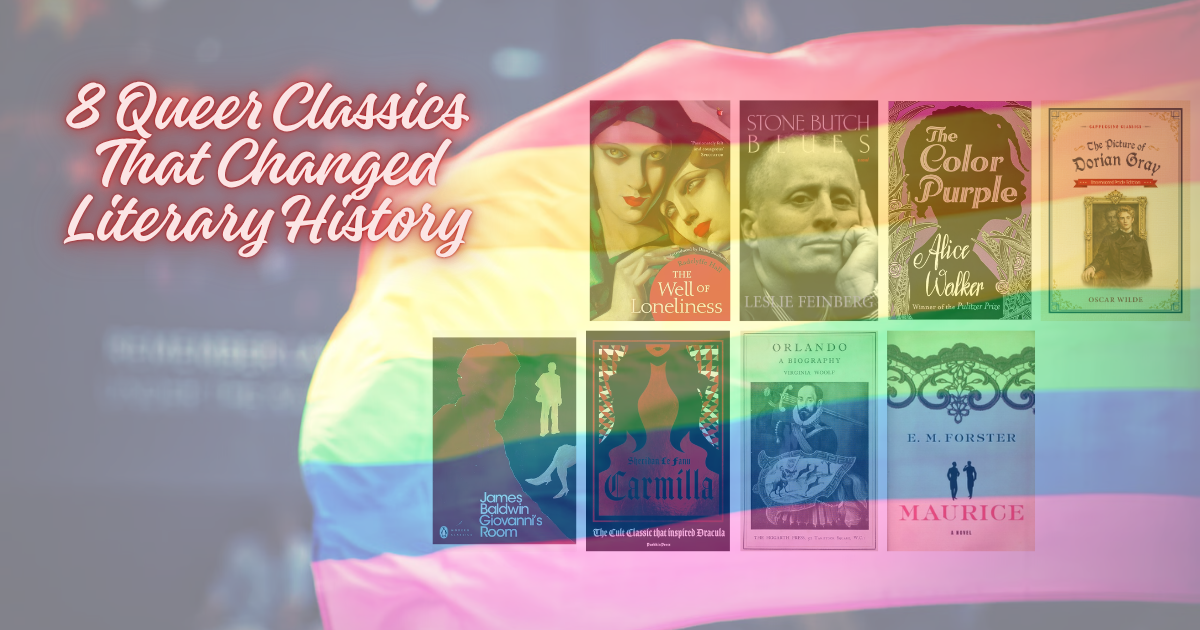 8 Queer Classics
Long before LGBTQ+ stories found space on bestseller lists, queer characters and themes existed in literature—sometimes hidden in plain sight, sometimes fiercely defiant, and often at great personal risk to the authors who wrote them. These books emerged in eras when same-sex relationships, gender nonconformity, and queer identities were misunderstood, criminalised, or erased. Yet they survived, challenged conventions, and transformed the literary landscape.
Today, queer literature is richer and more visible than ever, but many of its foundations were laid by a handful of groundbreaking classics. Some sparked controversy, some were banned, and some remained unpublished for decades. All of them expanded the possibilities of storytelling and gave voice to experiences that history often tried to silence.
Also read: The Queer Subtext of Dorian Gray: Oscar Wilde’s Hidden Desire in a Victorian World
Here are eight queer classics that didn't just tell remarkable stories—they changed literary history.
1. The Picture of Dorian Gray by Oscar Wilde: Beauty, Desire, and Scandal

When The Picture of Dorian Gray was first published in 1890, it immediately caused outrage. Critics accused Wilde of promoting moral decadence, and the novel's homoerotic undertones became a focal point of public controversy.
At its heart, the story follows the beautiful Dorian Gray, whose portrait ages while he remains eternally young. Yet beneath the Gothic horror and philosophical musings lies an exploration of desire, obsession, and the dangers of living behind a carefully constructed façade.
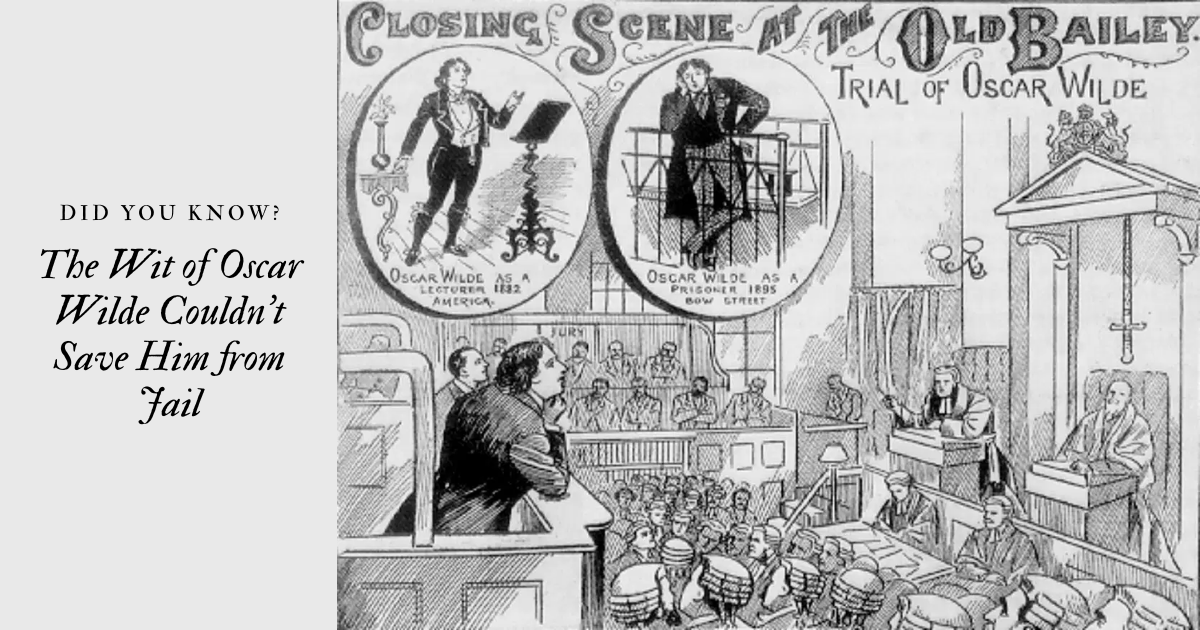
The novel gained even greater significance after Wilde's own trial and imprisonment for ‘gross indecency’. Today, it is read not only as a masterpiece of Gothic literature but also as one of the most important queer texts in the English language—a work that reveals how coded desire found expression in an age of repression.
The novel's queer undertones were so controversial in Victorian England that portions of Wilde's original text were altered or removed before publication. The Cappuccino Classics edition allows readers to engage with the uncensored text, offering a fuller glimpse into the themes of desire, beauty, and identity that made the novel both scandalous and revolutionary.
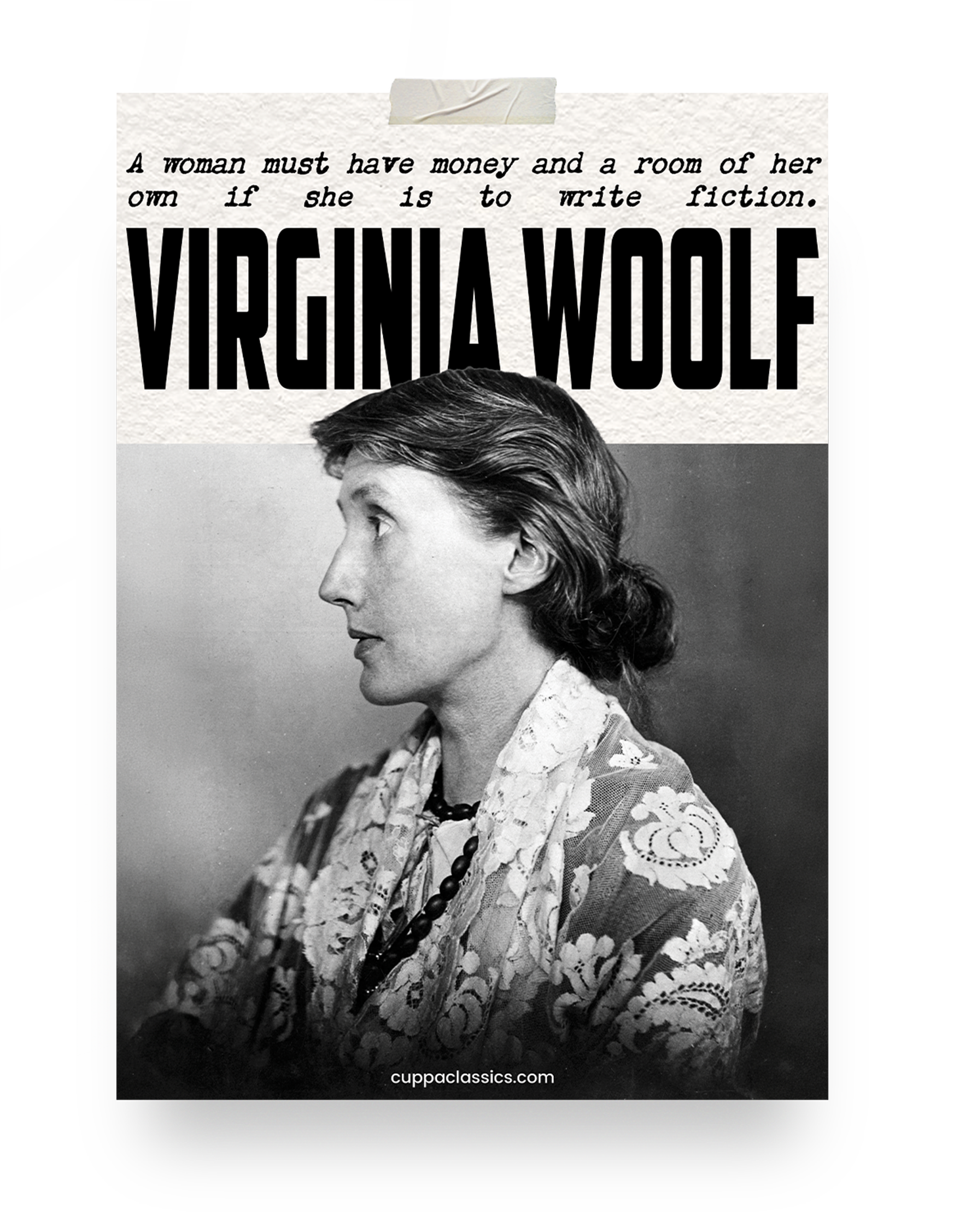
2. Orlando: A Biography by Virginia Woolf: A Celebration of Fluid Identity
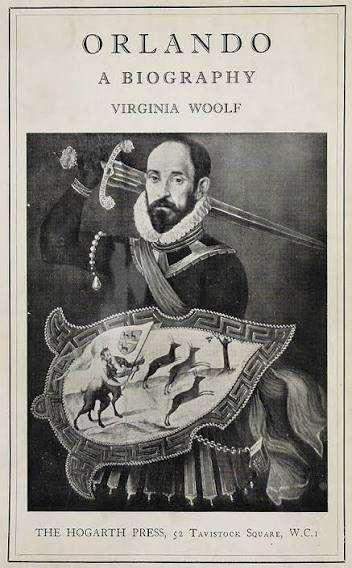
Part fantasy, part satire, and part love letter, Orlando remains astonishingly modern nearly a century after its publication.
Inspired by Woolf's relationship with writer and aristocrat Vita Sackville-West, the novel follows Orlando, a nobleman who mysteriously changes sex and lives across several centuries without significantly ageing. Through Orlando's journey, Woolf playfully questions the boundaries of gender, identity, and social expectations.
What makes the novel remarkable is how effortlessly it treats gender as fluid rather than fixed. Long before contemporary conversations about gender identity entered mainstream discourse, Woolf imagined a protagonist who moved between genders and worlds, challenging readers to reconsider the very nature of selfhood.
3. Maurice by EM Forster: The Love Story That Waited Decades to Be Told
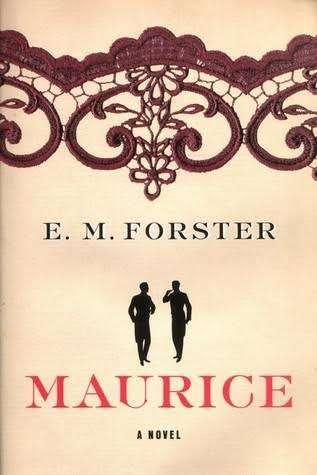
EM Forster completed Maurice in 1914 but chose not to publish it during his lifetime. He knew that a novel depicting a positive same-sex relationship could destroy his career and reputation.
The book tells the story of Maurice Hall, a young man navigating his sexuality in Edwardian England. Unlike many queer narratives of its era, Maurice refuses tragedy as its final destination. Instead, it offers something radical for its time: hope.
Published posthumously in 1971, the novel became a landmark in queer literature. Its enduring power lies not only in its portrayal of forbidden love but also in its insistence that queer people deserve happiness—a message that was revolutionary when Forster first wrote it.
4. Carmilla by Sheridan Le Fanu: The Vampire Who Came Before Dracula

More than two decades before Dracula appeared, Sheridan Le Fanu introduced readers to one of literature's most captivating vampires.
Carmilla tells the story of a mysterious young woman who enters the life of Laura, forming an intense and unsettling bond with her. The novella is steeped in Gothic atmosphere, supernatural suspense, and unmistakable queer subtext.
For generations of readers, Carmilla represented one of the earliest examples of sapphic desire in literature. Though framed through Victorian anxieties and Gothic conventions, the relationship at the story's centre remains compelling and influential. Its impact can still be seen in countless vampire stories and queer Gothic narratives that followed.
5. The Well of Loneliness by Radclyffe Hall: The Novel That Fought for Visibility

Few books have had as dramatic a history as The Well of Loneliness.
Published in 1928, the novel follows Stephen Gordon, a woman who identifies with masculine traits and struggles to find acceptance in a hostile society. Hall's portrayal of queer identity was groundbreaking because it treated its protagonist with dignity and compassion rather than ridicule.
The book faced obscenity trials, bans, and public condemnation. Ironically, those attempts to suppress it only increased its visibility. While modern readers may find aspects of its language dated, its historical importance is undeniable. It became one of the first major novels to argue openly for the humanity and legitimacy of queer lives.
6. Giovanni's Room by James Baldwin: Love, Shame, and Loneliness
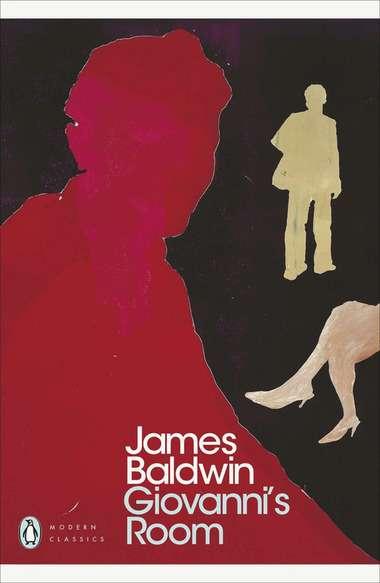
When James Baldwin published Giovanni's Room in 1956, he took a tremendous artistic risk. As a Black writer in America, Baldwin was expected by publishers and critics to focus exclusively on race. Instead, he produced a novel centred on same-sex desire.
Set largely in Paris, the story follows David, an American expatriate who falls in love with Giovanni while struggling to reconcile his feelings with societal expectations. The novel is intimate, devastating, and psychologically profound.
What distinguishes Giovanni's Room is Baldwin's extraordinary ability to capture the pain of self-denial. The novel explores how shame can distort relationships and destroy lives, making it one of the most emotionally powerful works in queer literature.
7. The Color Purple by Alice Walker: Finding Love and Voice
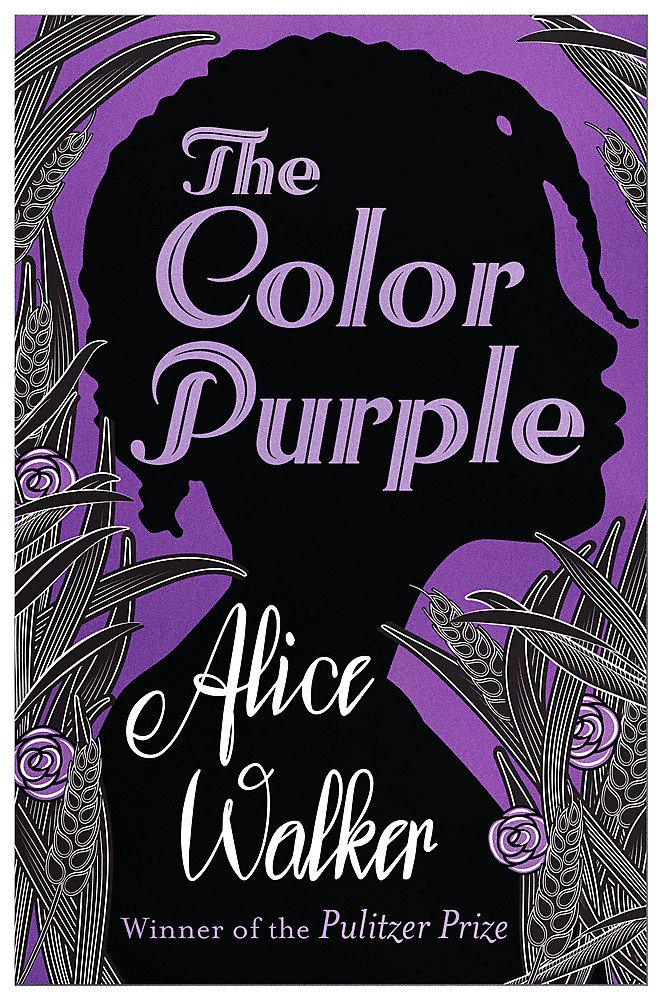
At first glance, The Color Purple is often discussed as a story about survival, resilience, and the experiences of Black women in the American South. Yet it is also an important queer classic.
Through the evolving relationship between Celie and Shug Avery, Alice Walker portrays a love that becomes transformative and liberating. Their bond helps Celie discover self-worth, independence, and the courage to reclaim her own voice.
Walker's novel broke new ground by weaving together themes of race, gender, sexuality, spirituality, and empowerment. Decades after its publication, it continues to resonate with readers who see in Celie's journey a testament to the power of love in all its forms.
8. Stone Butch Blues by Leslie Feinberg: A Revolutionary Voice
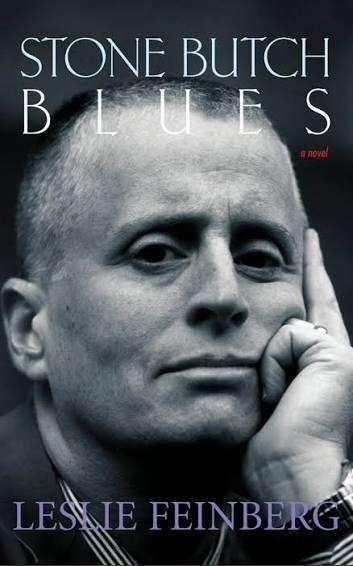
Published in 1993, Stone Butch Blues occupies a unique place in queer literary history. Part novel and part historical testimony, it chronicles the life of Jess Goldberg, a butch lesbian navigating discrimination, violence, labor struggles, and questions of gender identity in mid-twentieth-century America.
Feinberg's work brought visibility to experiences that had rarely appeared in mainstream literature. The novel explores the intersections of class, gender expression, sexuality, and activism with remarkable honesty and emotional depth.
For many readers, Stone Butch Blues was more than a book—it was recognition. It remains a cornerstone of queer literature and a powerful reminder of the communities that fought for visibility long before broader social acceptance emerged.
Why These Books Still Matter
Queer literature did not begin with modern publishing trends or contemporary debates. It has always existed—sometimes hidden, sometimes coded, sometimes boldly declared against overwhelming opposition.
The eight books on this list represent different eras, identities, and literary styles, yet they share a common purpose: they expanded the boundaries of who could be represented in literature and how those stories could be told.
Whether through Wilde's coded aestheticism, Woolf's playful exploration of gender, Baldwin's heartbreaking examination of desire, or Feinberg's uncompromising activism, these works remind us that literature has long been a space where people imagine lives beyond the limits imposed by society.
To read these classics today is not merely to revisit literary history. It is to witness the courage of writers who dared to tell stories that many believed should never be told—and in doing so, changed literature forever.
Your next read: 10 Classic Authors Who Had Absolutely Unhinged Personal Lives