

Parent Categories



Related Products


Related Books


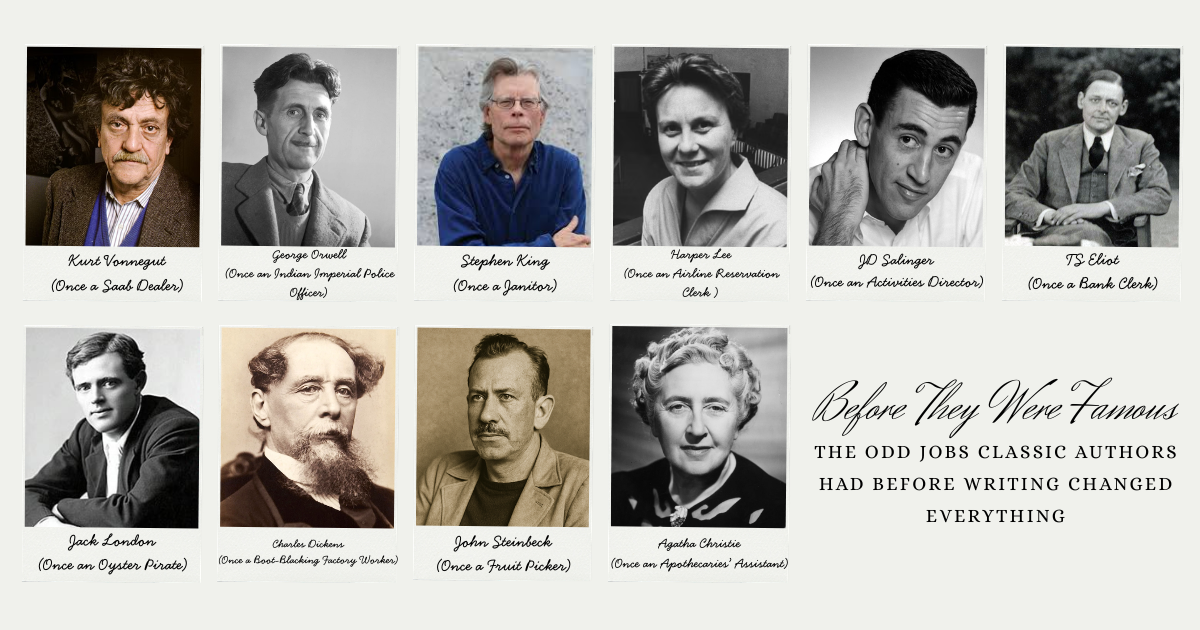
Before They Were Famous: The Odd Jobs Classic Authors Had Before Writing Changed Everything
 Classic Authors Odd jobs
Long before literary fame found them, many classic authors were punching time cards, scrubbing floors, sorting mail, selling cars, or surviving jobs they probably never imagined would become part of literary history. The romantic image of the ‘born writer’ often skips over an important truth: many great books were written between exhausting shifts, during lunch breaks, or in the quiet hours after work.
And perhaps that is exactly why these writers endured. Their jobs gave them material, discipline, frustration, and above all, stories.
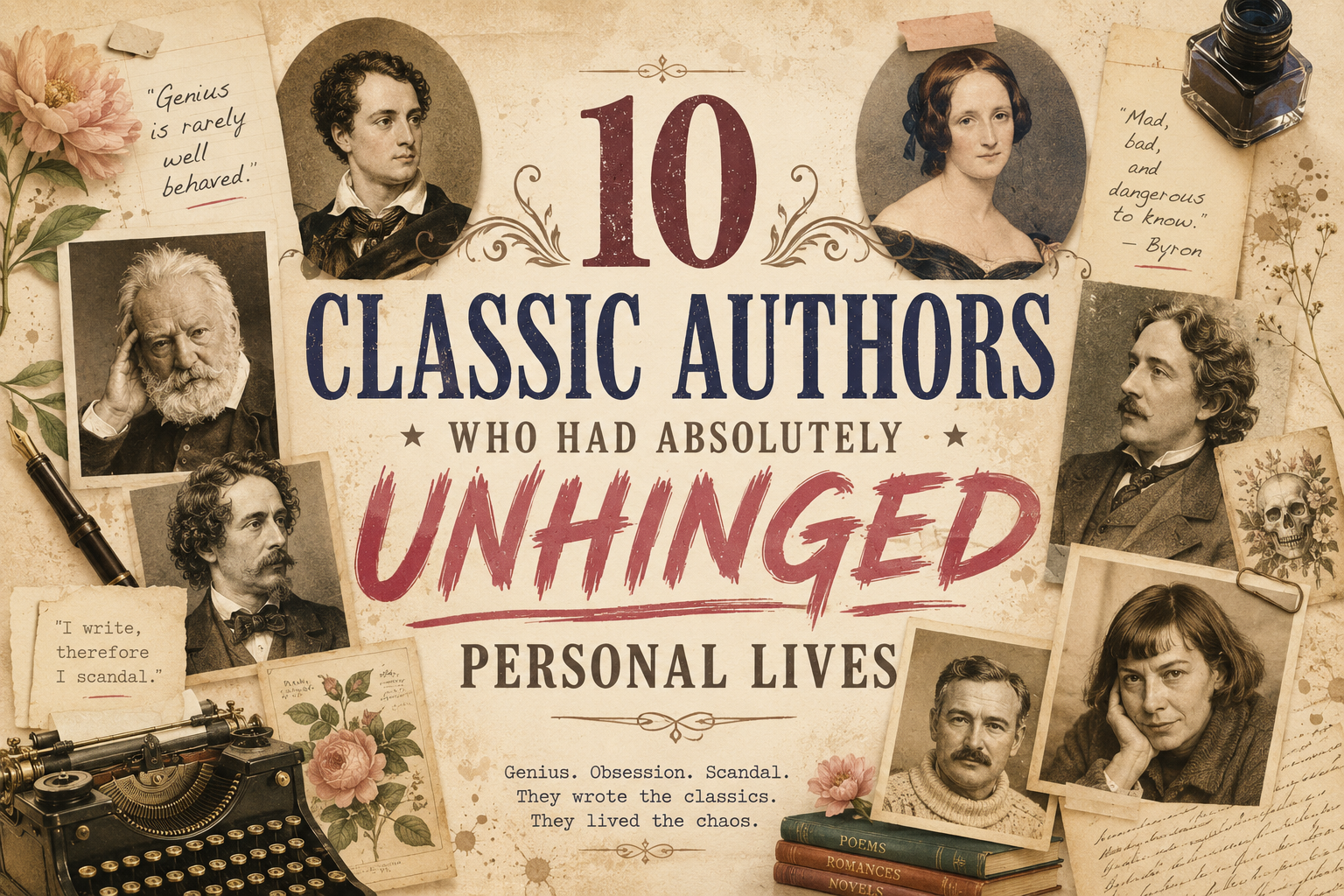
Also read: 10 Classic Authors Who Had Absolutely Unhinged Personal Lives
From Cleaning Floors to Writing Horror Classics
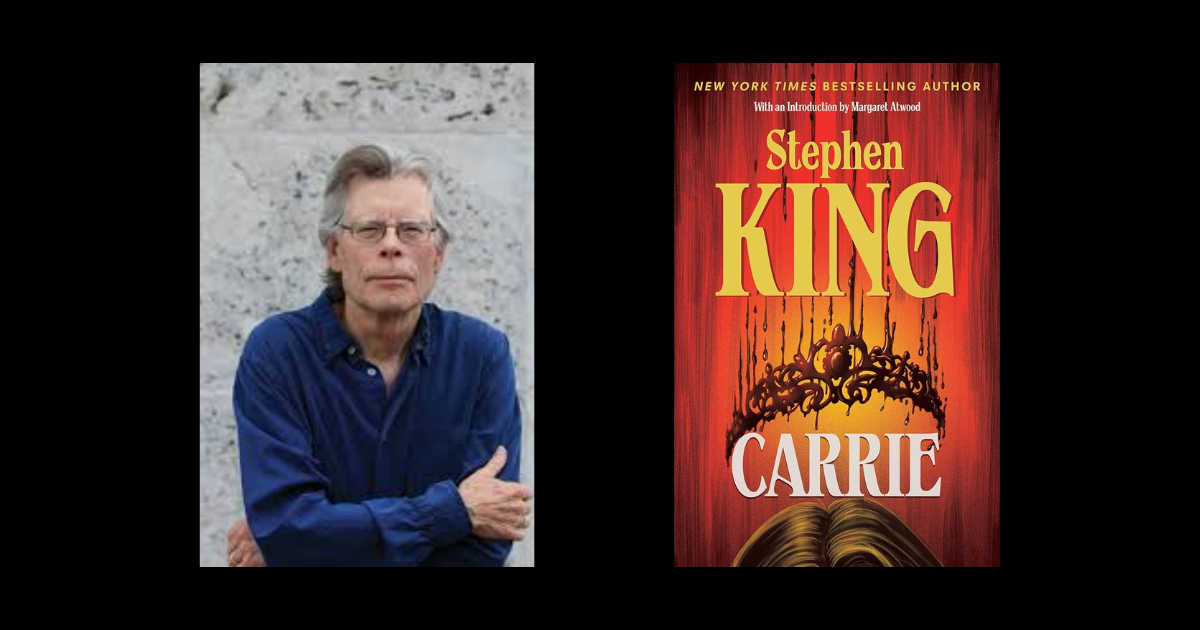
Take Stephen King, for instance. Before becoming the undisputed king of horror, he worked as a high school janitor and caretaker. One of his duties involved cleaning the girls’ locker room showers—an image that stayed with him long enough to inspire the unsettling opening scene of Carrie.
Legend has it that King initially threw the manuscript away, convinced nobody would want to read it. His wife rescued it from the trash. The rest is literary history.
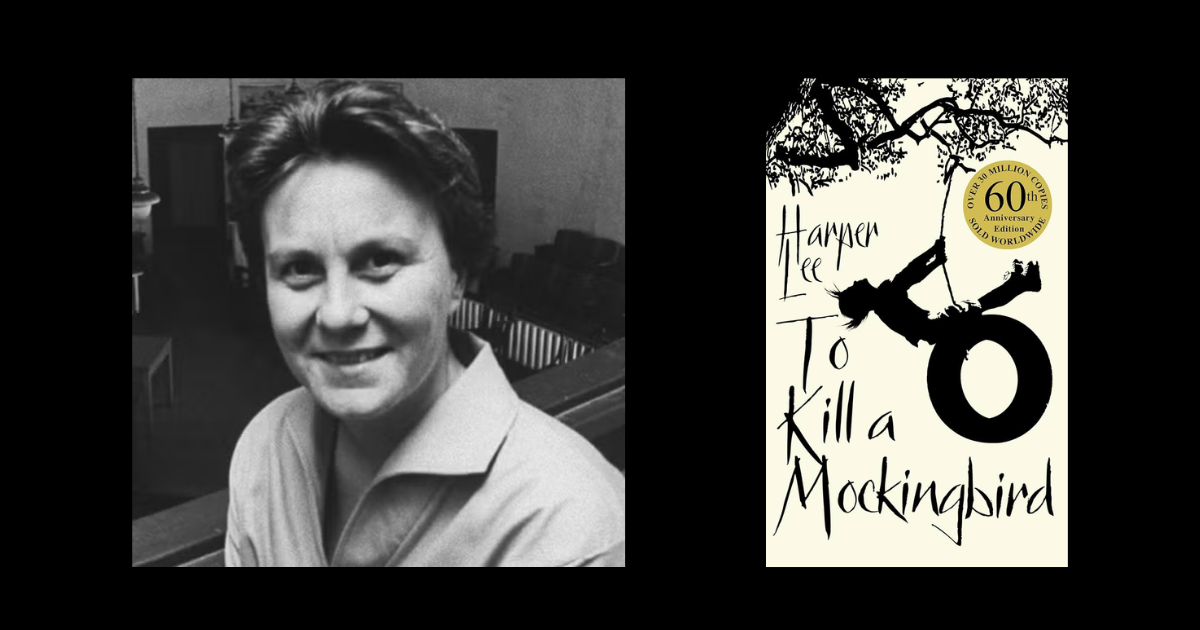
Then there was Harper Lee, quietly working as an airline reservation clerk for Eastern Air Lines in New York while trying to write in her spare time. She was not yet the author of To Kill a Mockingbird; she was simply a young woman balancing ambition with rent payments. Everything changed when friends gifted her a year’s salary with a note encouraging her to write full-time. Within that year came the first draft of one of the most influential novels in American literature.
The Truly Unusual Jobs Nobody Expects
Some writers held jobs so unusual they sound invented.
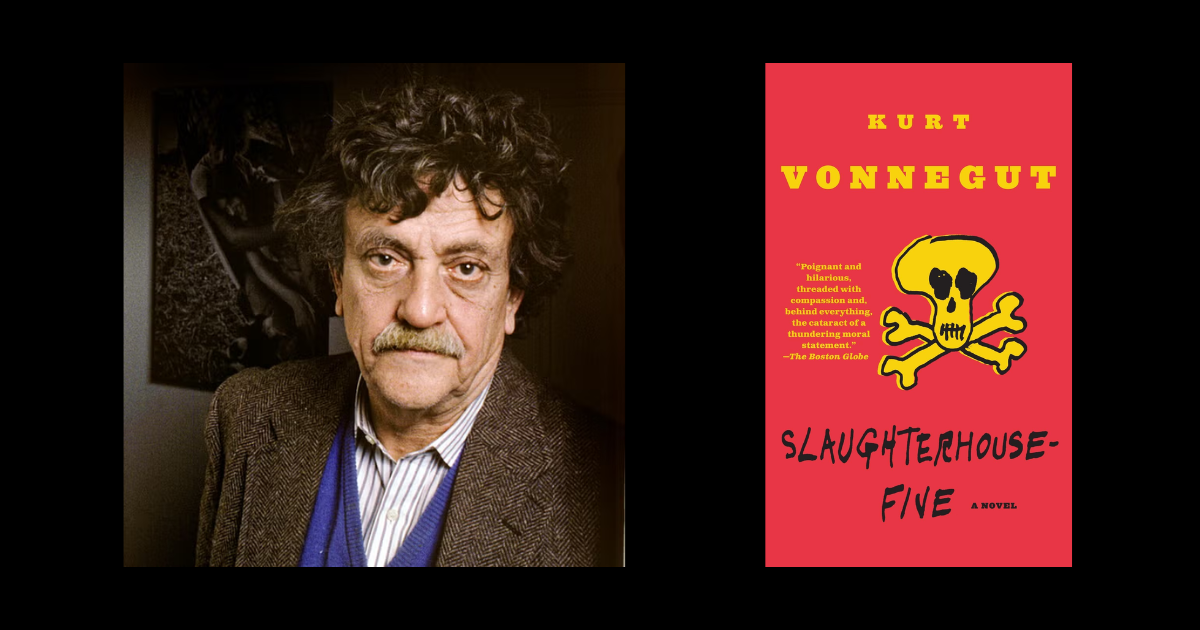
Kurt Vonnegut once managed America’s first Saab dealership in Cape Cod. Yes—the author of Slaughterhouse-Five sold Swedish cars before he sold millions of books. Vonnegut later joked that his failure as a Saab dealer explained why Sweden never awarded him the Nobel Prize in Literature. The humour, sharp and self-aware, feels unmistakably Vonnegutian.
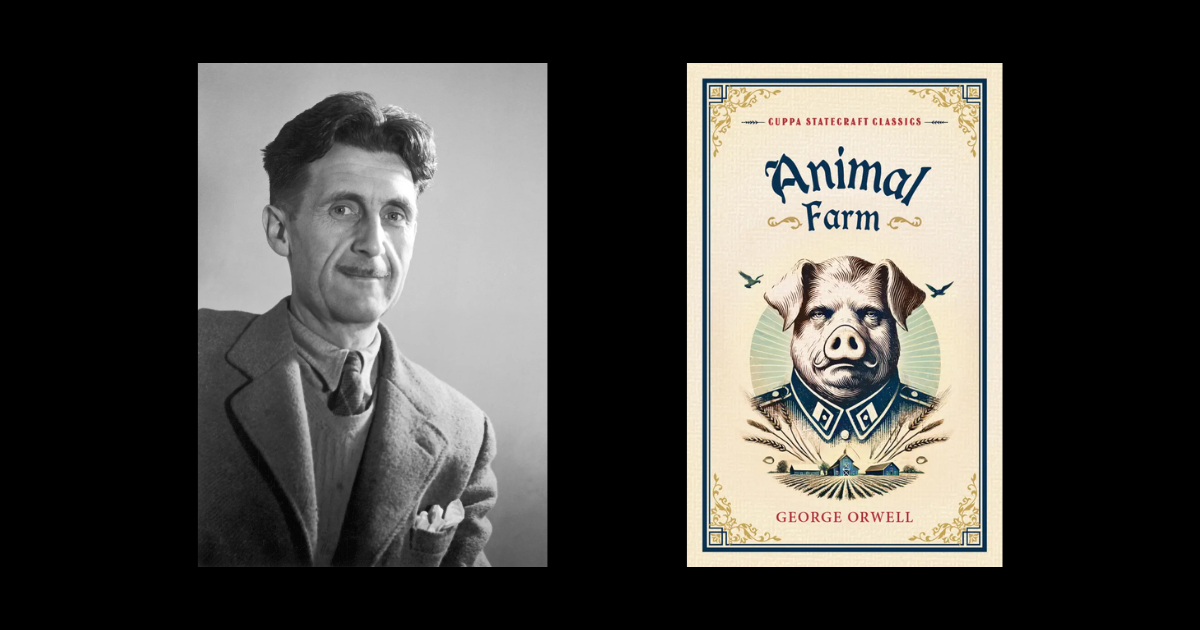
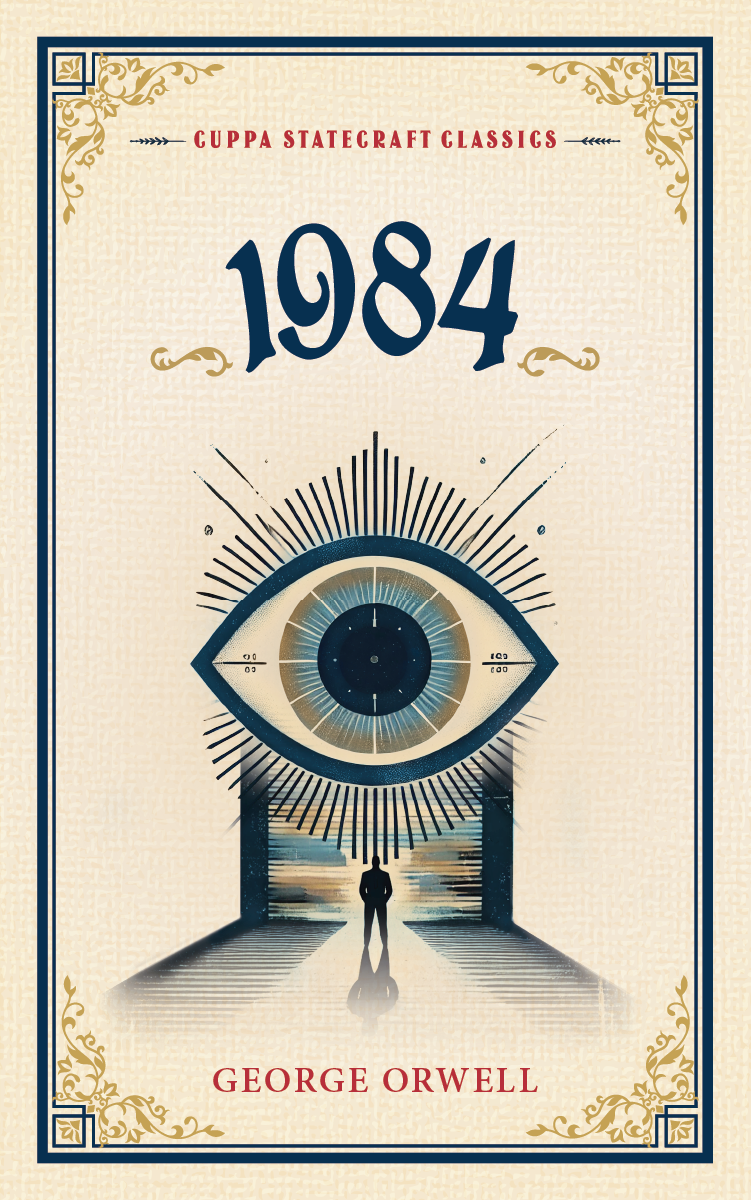
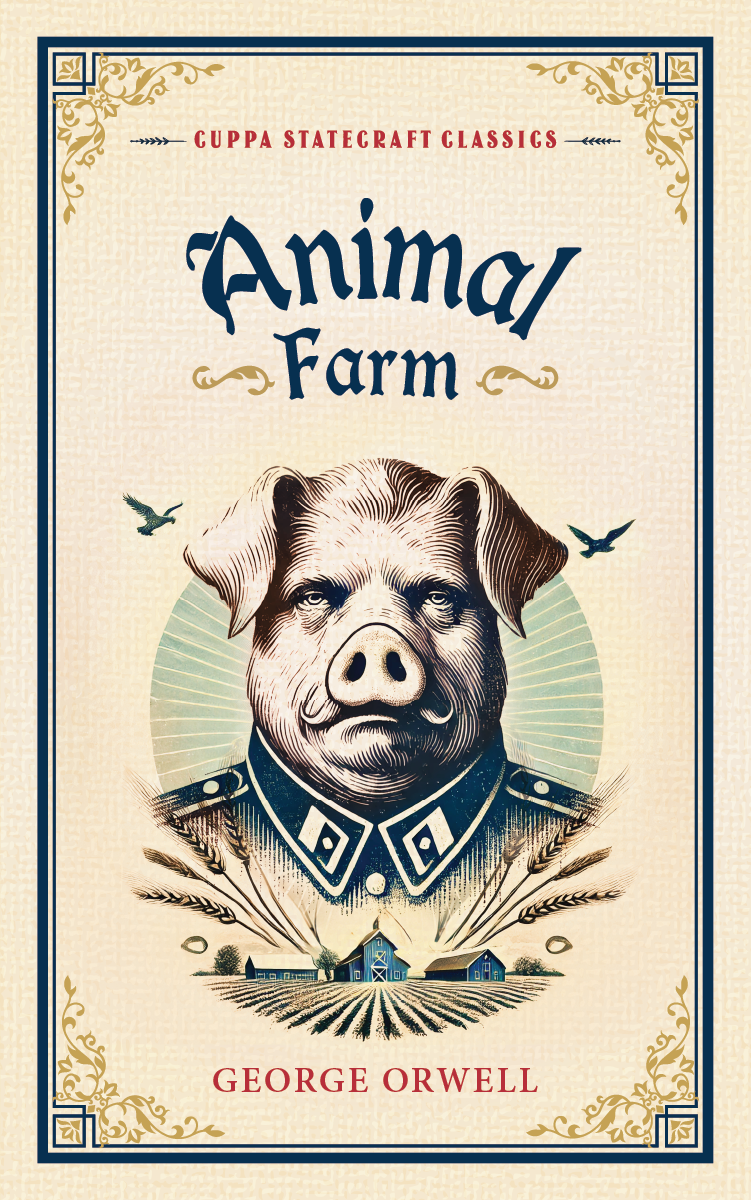
Meanwhile, George Orwell served as an officer in the Indian Imperial Police in Burma during the 1920s. The experience deeply disturbed him and shaped his political consciousness. The moral discomfort he felt during those years later surfaced in works like and the essay ‘Shooting an Elephant’. Before Orwell became the voice of anti-totalitarian literature through Animal Farm and 1984, he was a colonial policeman questioning the very system he worked for.
Lives That Already Sounded Like Fiction
Not all odd jobs were grim. Some bordered on cinematic.
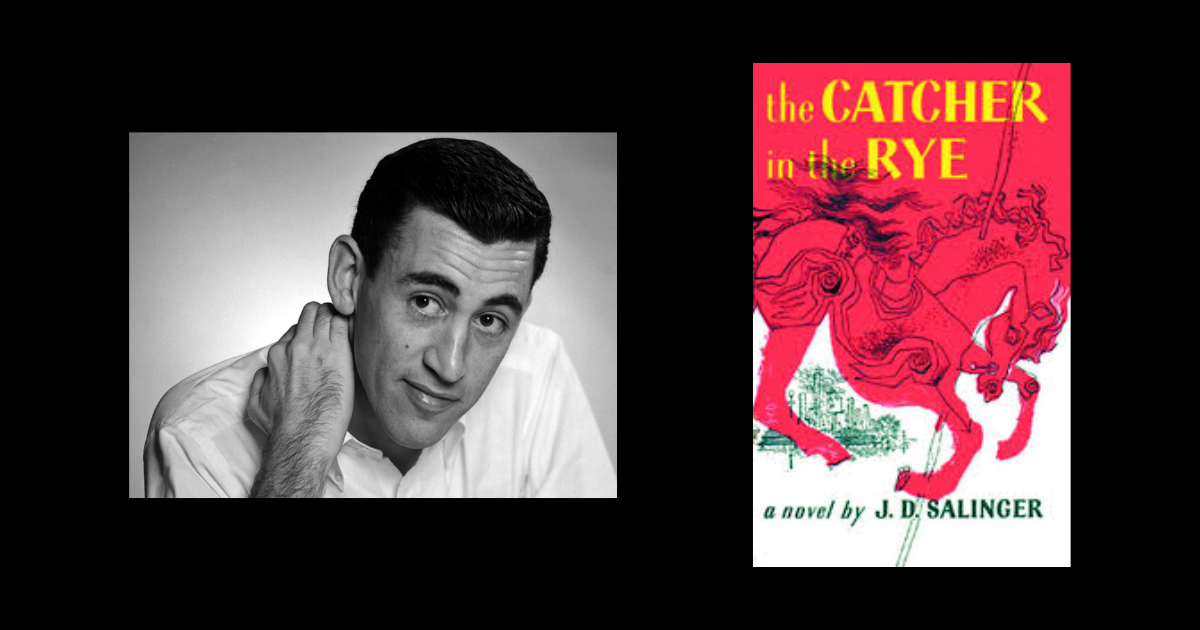
JD Salinger worked as an activities director on a luxury cruise liner before the war interrupted his life and career. The job later inspired elements of his short fiction. It is strangely fitting that the famously elusive author of The Catcher in the Rye once entertained wealthy passengers aboard a floating palace.
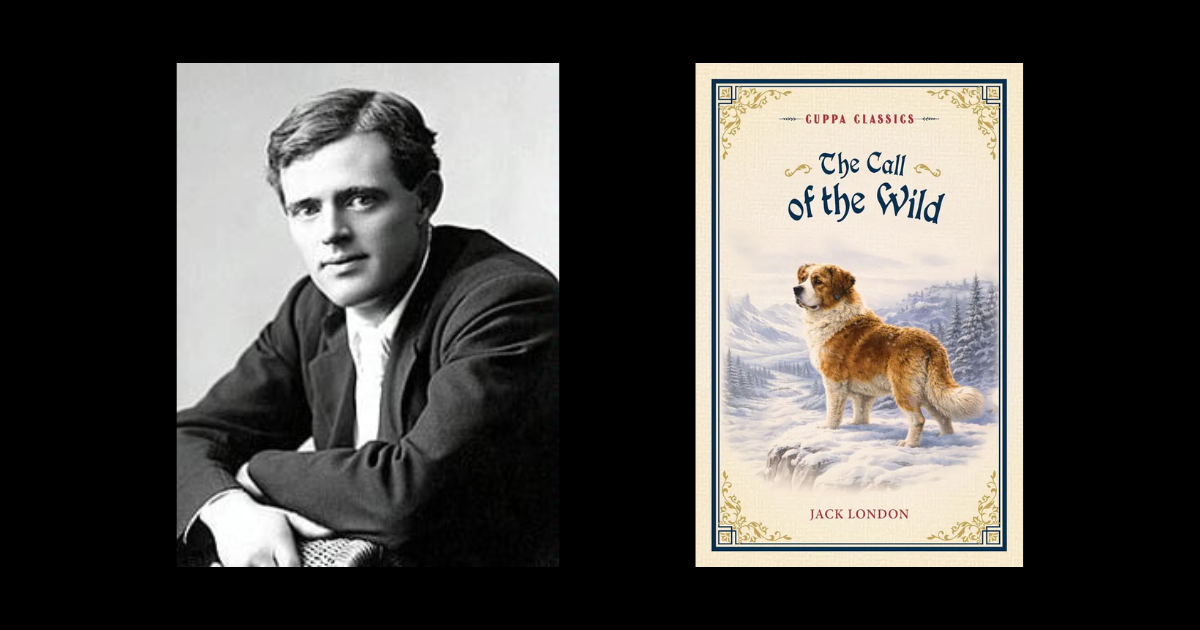
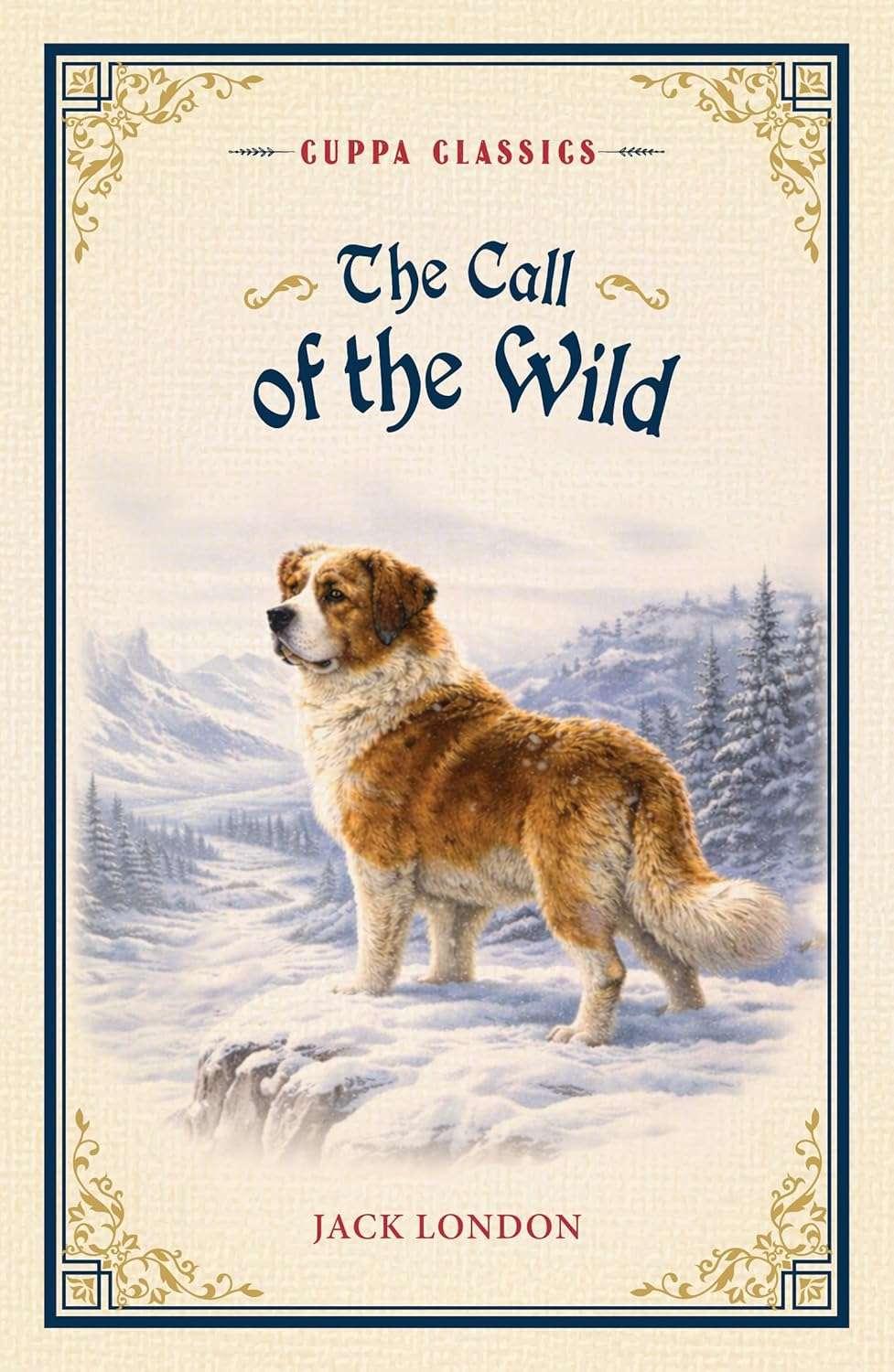
And then there is Jack London, whose early life sounds more like an adventure novel than a résumé. As a teenager, he worked as an oyster pirate in San Francisco Bay, stealing oysters from private farms and selling them for profit. Later, he joined the Fish Patrol that hunted oyster pirates—essentially switching sides in his own story. The roughness and danger of those years would eventually fuel novels like The Sea-Wolf and The Call of the Wild.
When Hardship Becomes Literature
For some writers, ordinary jobs became extraordinary sources of observation.
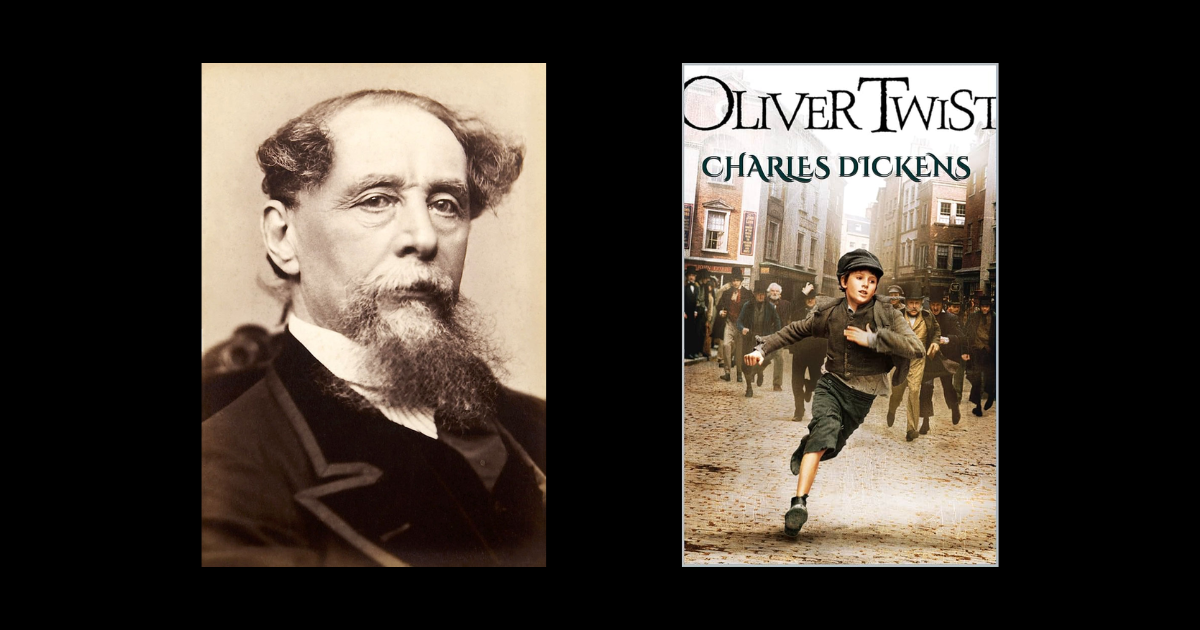
Charles Dickens worked in a boot-blacking factory as a child after his father was imprisoned for debt. The experience scarred him profoundly. The loneliness, humiliation, and harshness of industrial London later echoed through novels like Oliver Twist and David Copperfield. Dickens never forgot what it meant to feel small and abandoned in a world run by adults and money.
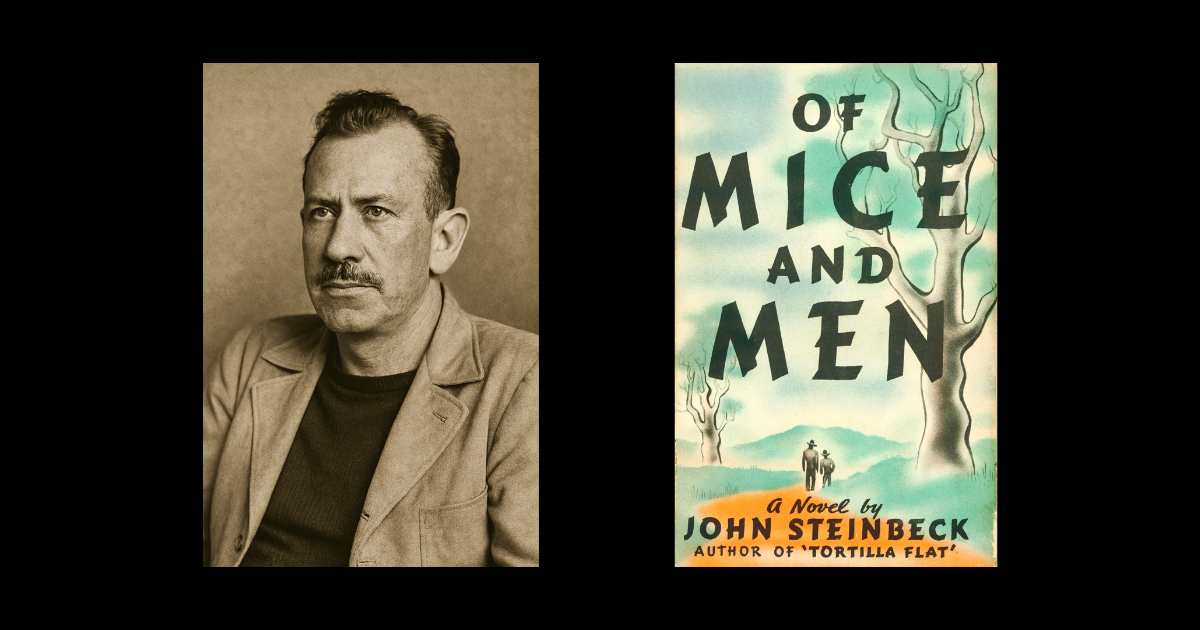
John Steinbeck bounced through a remarkable number of jobs before literary success arrived: fruit picker, apprentice painter, construction worker, caretaker, and even mannequin manufacturer with his first wife. Those years placed him directly among labourers, migrants, and struggling families—precisely the people who would later populate The Grapes of Wrath and Of Mice and Men. Steinbeck did not merely imagine working-class hardship; he lived alongside it.
Jobs That Quietly Shaped Literary Genius
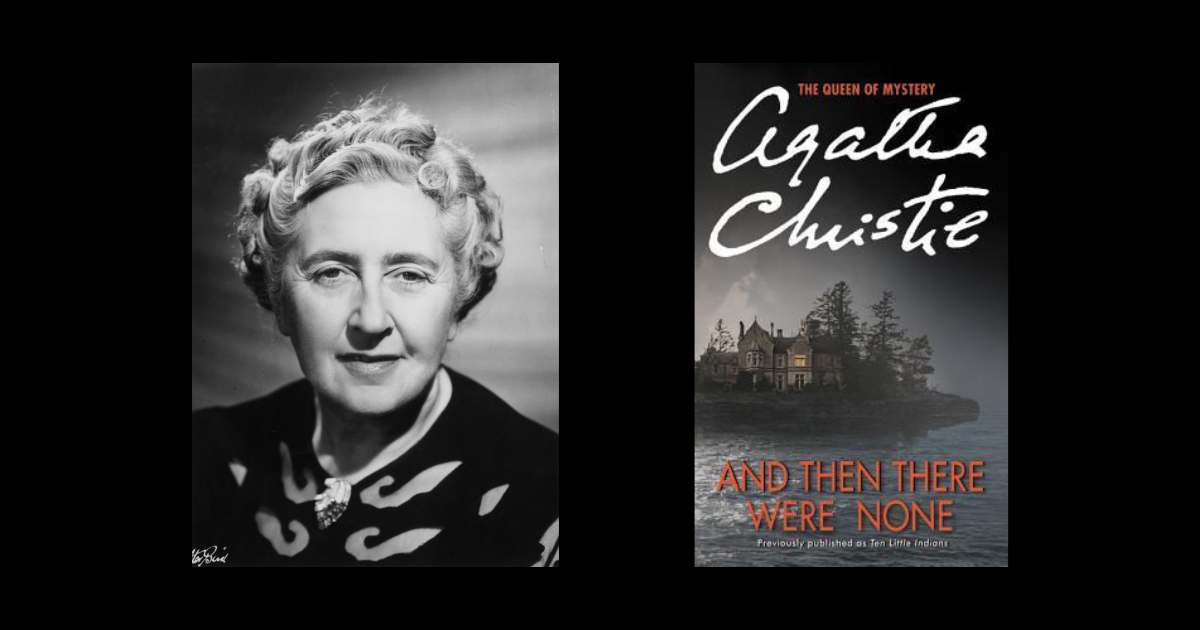
Then there was Agatha Christie, who worked as an apothecaries’ assistant during the First World War. Her knowledge of medicines and toxic substances later became one of her greatest literary weapons. Christie’s murder mysteries are famous for their inventive poisons, and that expertise did not come from research alone. It came from dispensing pharmaceuticals behind a counter long before Hercule Poirot ever appeared on the page.
Even poetry has its share of unlikely beginnings.
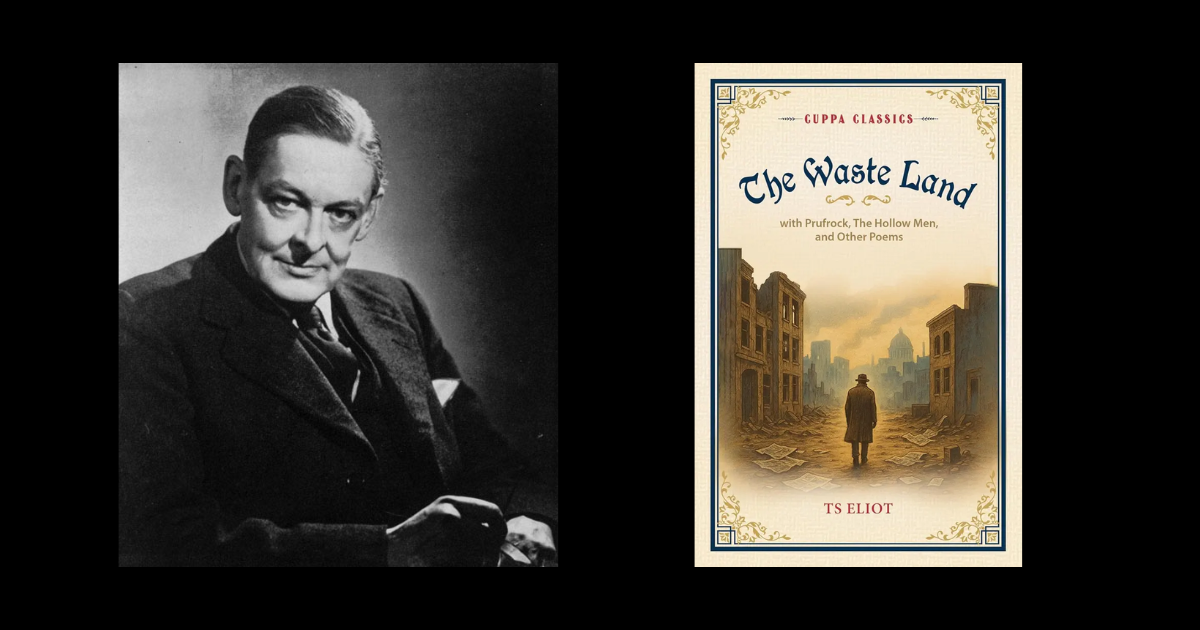
TS Eliot spent years working as a bank clerk at Lloyds Bank in London while writing some of the most important modernist poetry of the twentieth century. Imagine The Waste Land taking shape between ledgers, financial paperwork, and the daily commute. It feels almost absurd—and yet strangely perfect for a poet whose work captured exhaustion, fragmentation, and modern urban life so vividly.
Before the Fame, There Was Persistence
Perhaps the most comforting part of these stories is how ordinary they begin. None of these writers knew they would become immortal names in literature classrooms and library shelves. They were simply trying to survive while protecting a fragile creative instinct from exhaustion and disappointment.
The jobs mattered. Not because they were glamorous, but because they sharpened observation. A janitor notices details others ignore. A factory worker understands repetition and despair. A police officer witnesses power firsthand. Writers carry these experiences into fiction, transforming routine labour into emotional truth.
There is also something deeply reassuring about the fact that literary greatness rarely arrives fully formed. Many of the authors we now consider untouchable were once exhausted employees hoping for a break, doubting themselves after long shifts, writing late into the night because they could not afford not to dream.
Before the fame, the awards, and the books that changed literature, there were time clocks, uniforms, and side hustles.
And maybe that is the real story behind great writing: not genius appearing out of nowhere, but persistence surviving ordinary life.
Your next read: 8 Classic Novels That Became the Movies & Shows Everyone's Talking About