

Parent Categories



Related Products



Related Books

8 Wild Facts About Alexandre Dumas That Rival Any Adventure Novel
 Facts About Alexandre Dumas
The Three Musketeers, The Count of Monte Cristo, and The Man in the Iron Mask—all three of these timeless classics came from the same legendary author, Alexandre Dumas. Ever since the 19th century, readers have been captivated by his tales of daring heroes, revenge, romance, and adventure. But as extraordinary as his novels are, his own life was just as thrilling.
Being of mixed-race heritage and the son of a celebrated Revolutionary general already makes his story interesting. Yet that's only the beginning. Read on to discover 8 wild facts about Alexandre Dumas that prove the life of the man behind these masterpieces rivaled any adventure novel he ever wrote.
Also read: The Women in Franz Kafka's Life: Love, Anxiety, and the Fear of Commitment
1. He Was the Son of a Mixed-Race Revolutionary General
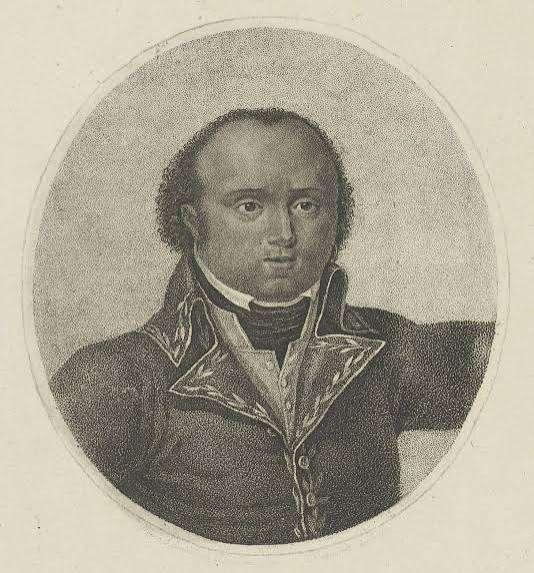
Alexandre Dumas didn't have to look far for inspiration—his own father was one. His father, General Thomas-Alexandre Dumas was the first person of colour to hold important ranks within the French army and was one of the greatest military heroes of the French Revolution. Like his father, Alexandre Dumas used his enslaved grandmother’s last name as surname. Growing up on stories of his father's exploits, it's no surprise that he went on to write unforgettable stories.
2. Three Generations of Alexandre Dumas Made History
It's rare for one family to produce a war hero, a literary giant, and an acclaimed playwright—but the Dumas family managed to do all three. Or should we say, all three Alexandre Dumases?
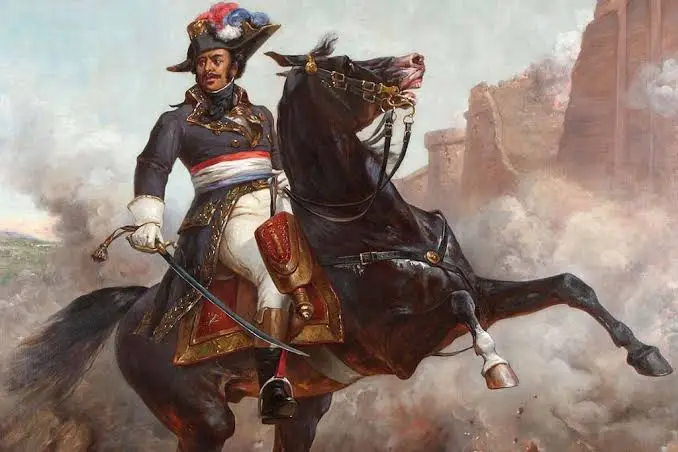 [General Thomas-Alexandre Dumas]
It all started with General Thomas-Alexandre Dumas, the legendary French Revolutionary general.
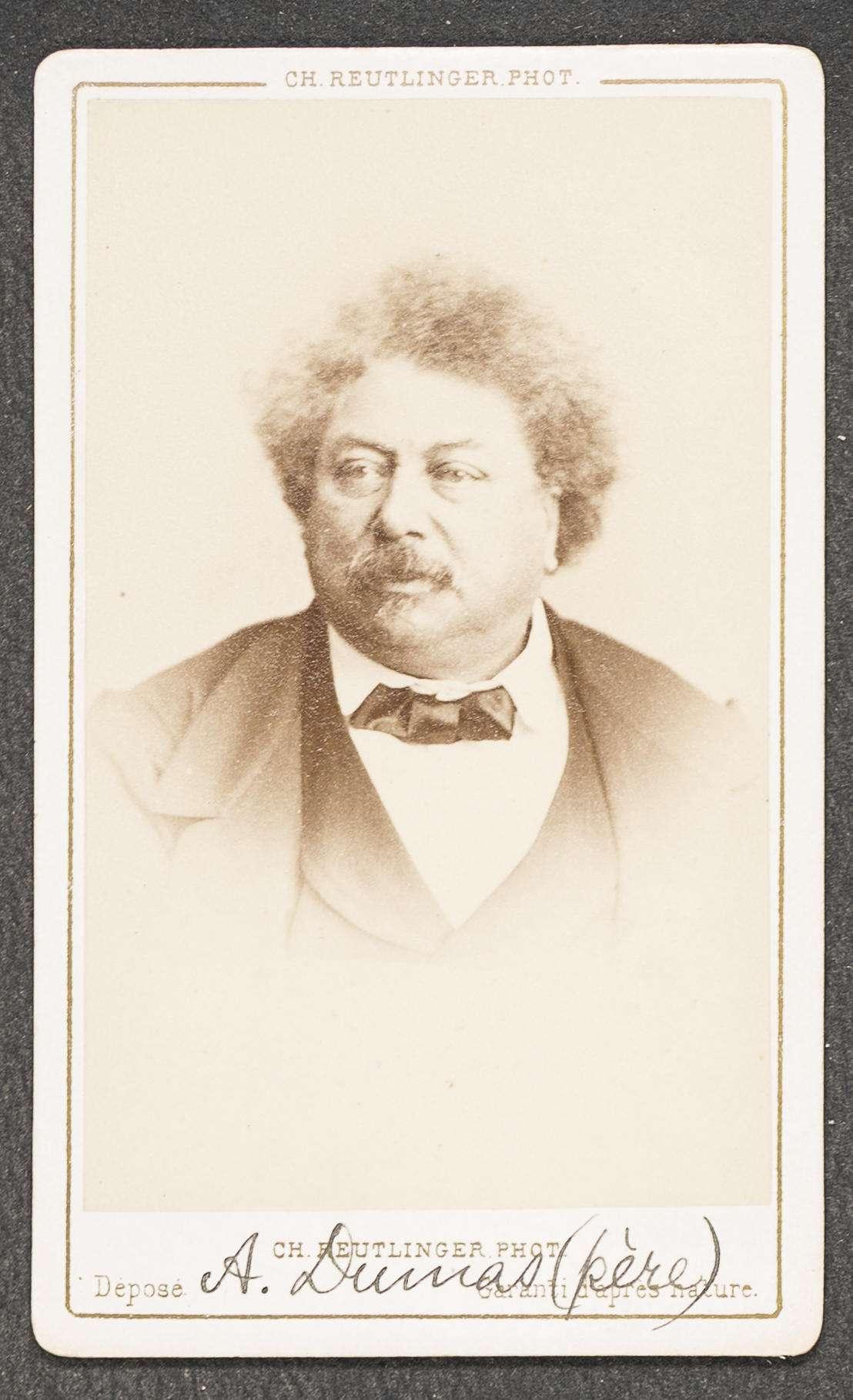 [Alexandre Dumas père]
His son, Alexandre Dumas père, went on to become one of the world's greatest novelists.
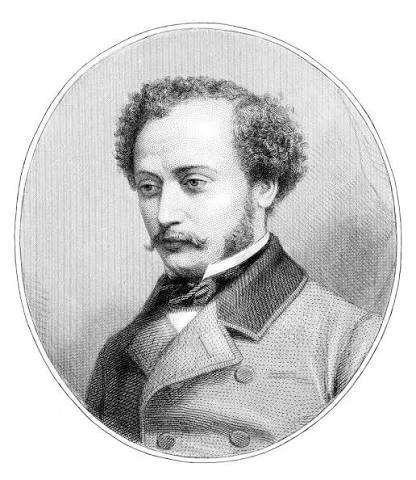 [Alexandre Dumas fils]
Then came Alexandre Dumas fils, who carved out his own legacy as an acclaimed playwright. His novel La Dame aux Camélias later inspired Verdi's famous opera La Traviata.
Talk about keeping the name alive! Not only did Alexandre Dumas share his father's name, but he also passed it on to his own son. Three generations, three remarkable careers, and one unforgettable name that left its mark on both French history and literature.
3. He Was a Notorious Ladies' Man
Alexandre Dumas wrote some of literature's greatest romances—but it turns out he enjoyed living them, too. The celebrated novelist was famous for his charm and reportedly had dozens of romantic relationships throughout his life. In fact, he is believed to have fathered at least four children, although only one—Alexandre Dumas fils—was legally recognised. His love life was so eventful that friends joked he had almost as many romances as he had novels.
4. He Wrote a Massive Cookbook

A lifelong foodie with a passion for fine dining, Dumas believed cooking was an art worthy of as much attention as literature. Published posthumously in 1873, Le Grand Dictionnaire de Cuisine ("Great Dictionary of Cuisine") is a sprawling culinary encyclopedia packed with thousands of recipes, cooking tips, food history, and plenty of his own witty opinions.
The book isn't just a cookbook—it's a glimpse into Dumas's personality. He mixes practical recipes with entertaining stories, proving that whether he was writing about musketeers or mushrooms, he knew how to keep readers hooked.
5. He Built A Castle & Went Bankrupt Because of It

Most bestselling authors dream of buying a nice house. Alexandre Dumas built himself a castle. At the height of his success, Dumas used his literary fortune to build the lavish Château de Monte-Cristo, a fairy-tale estate just outside Paris. Complete with beautiful gardens and a separate writing pavilion, it became both his creative retreat and the perfect place to throw extravagant parties for friends, artists, and admirers.
While Dumas earned enormous sums from his books and plays, he burned through money on lavish living, travel, and entertaining guests. His income simply couldn't keep up with his extravagant lifestyle, and he frequently found himself in financial trouble between publications. Eventually, mounting debts forced him to sell the château and even flee to Belgium to escape his creditors.
6. He Was Friends With George Sand
Alexandre Dumas wasn't just surrounded by fictional legends—he was friends with some of the biggest literary stars of his time, including the trailblazing French novelist George Sand. The two shared a close friendship and a deep love for literature, often exchanging ideas and moving in the same artistic circles in Paris. Sand, famous for wearing men's clothing, smoking cigars in public, and challenging social norms, was as unconventional as Dumas himself.
7. He Joined Garibaldi's Unification of Italy Campaign
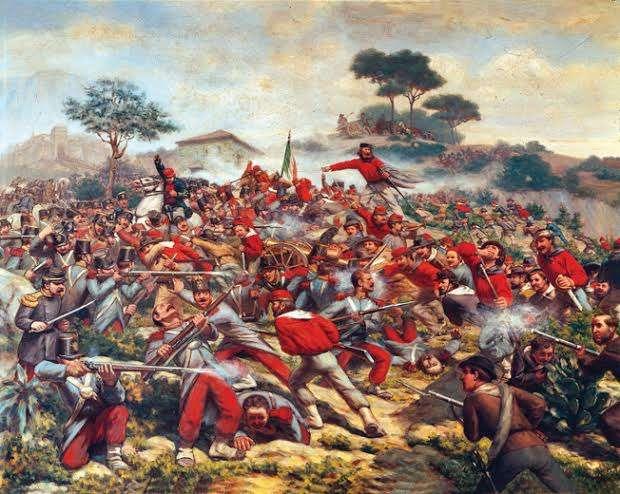
In 1860, Dumas travelled to Italy to support the revolutionary leader Giuseppe Garibaldi during the campaign to unify the country. Rather than watching history unfold from afar, he threw himself into the cause—raising funds, reporting on events, helping with logistics, and even running weapons for Garibaldi's forces. As reward, Garibaldi named him honorary overseer of Naples's museums and antiquities, a controversial appointment that sparked local outcry at a Frenchman holding the post.
8. France Reburied Him in the Panthéon Over a Century After His Death
Although Dumas died in 1870, his remains were moved to the Panthéon in Paris in 2002—a resting place reserved for France's most celebrated figures, including Voltaire, Victor Hugo, and Marie Curie. The transfer was a grand national ceremony, with Republican Guards dressed as the Three Musketeers escorting his coffin through the streets.
More Than Just a Master Storyteller
For most people, writing The Three Musketeers or The Count of Monte Cristo would have been enough to secure a place in history. Alexandre Dumas did that—and then went on to live a life almost as unbelievable as the adventures he created. It's the spirit that runs through both his life and his stories—a fearless love of adventure, an endless curiosity, and a refusal to live an ordinary life.
Happy Birthday, legend!
Your next: The Hidden Queer Lives of Classic Authors