

Parent Categories

Related Products




Related Books

8 Ernest Hemingway Short Stories That Showcase His Literary Genius
 Ernest Hemingway Short Stories
Ernest Hemingway, the legendary author of The Old Man and the Sea and A Farewell to Arms, had a gift for writing stories that appear deceptively simple. On the surface, his prose is simple, but beneath it lies a depth you didn’t expect. This is the essence of his famous Iceberg Theory—the idea that the true meaning of a story is implied rather than explicitly stated.
Hemingway once advised writers to "write one true sentence." He lived by that philosophy, crafting stories with clean, understated prose that carried immense emotional and thematic weight. Rather than spelling everything out, he trusted readers to uncover the layers hidden beneath the surface.
In celebration of his birthday, we're revisiting eight of Ernest Hemingway's finest short stories—works that perfectly capture his literary genius and demonstrate why he remains one of the most influential writers of all time.
Also read: The Ancestor He Was Haunted By: How the Salem Witch Trials Shaped Nathaniel Hawthorne's Writing
1. The Snows of Kilimanjaro

“Each day of not writing, of comfort, of being that which he despised, dulled his ability and softened his will to work so that, finally, he did no work at all.”
Harry is a writer who never became the artist he hoped to be. He lies dying of gangrene on an African safari, waiting for a rescue plane that may never arrive. He reflects on the choices, relationships, and opportunities that shaped his life. Much of the story unfolds through his memories, revealing a man haunted by regret and unrealised potential. Hemingway masterfully explores ambition, mortality, and the quiet tragedy of confronting one's own wasted talent.
2. Hills Like White Elephants

“I wanted to try this new drink: That’s all we do, isn’t it—look at things and try new drinks?”
Hemingway turns a conversation between an American man and a young woman into an event that alters their lives and relationship forever as they wait for their train. Although they never directly mention the subject, the couple debates whether the woman should undergo an abortion, exposing the growing distance between them.
Through sparse dialogue and what is deliberately left unsaid, Hemingway showcases his Iceberg Theory, allowing the story's emotional weight to emerge beneath the surface.
3. Big Two-Hearted River
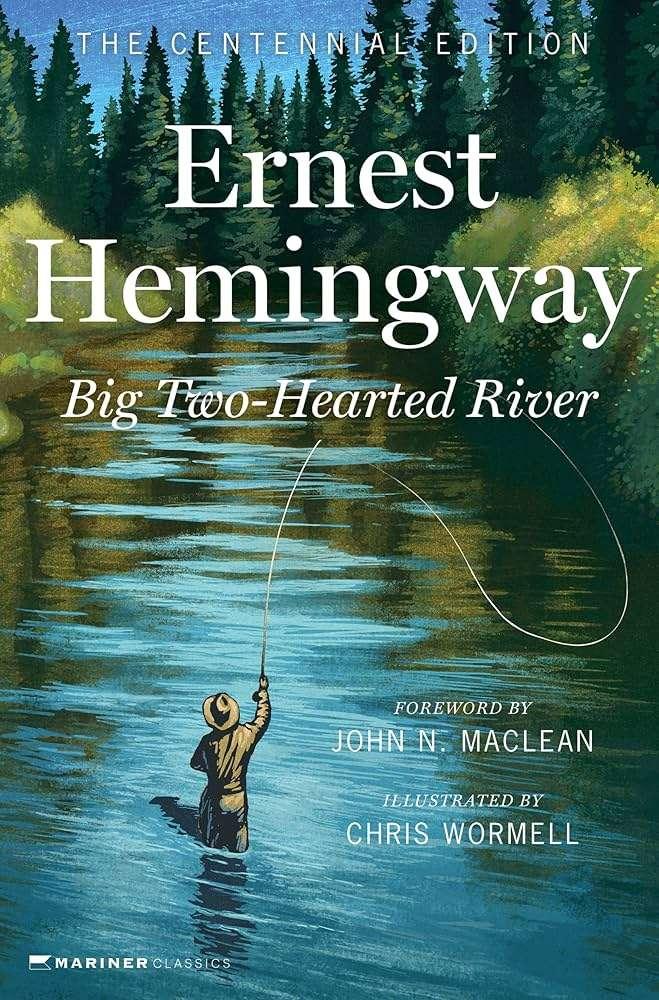
“He sat on the logs, smoking, drying in the sun, the sun warm on his back the river shallow ahead entering the woods, curving into the woods, shallows light glittering, big water-smooth rocks, cedars along the bank and white birches, the logs warm in the sun, smooth to sit on, without bark, gray to the touch; slowly the feeling of disappointment left him.”
This is a two-part story of a character named Nick Adams. After returning from World War I, Nick travels alone to the wilderness of northern Michigan for a fishing trip. On the surface, very little happens as he sets up camp, cooks, and fishes. Yet beneath these ordinary routines lies a quiet story of healing, trauma, and recovery. Without ever explicitly discussing the war, Hemingway captures the destruction war causes, the emotional scars people carry long after conflict ends, and the restorative power of nature.
4. Indian Camp
"Do ladies always have such a hard time having babies?"
One of Hemingway's earliest Nick Adams stories, Indian Camp follows young Nick as he accompanies his doctor father to a camp, where an Indian woman is enduring a difficult childbirth. What begins as a medical emergency takes a shocking turn, exposing Nick to both birth and death in a single night.
The story explores not only themes of growing up, birth, and death, but also critiques the patriarchal mindset by showing how traditional expectations of masculinity place immense pressure on men to appear strong, emotionally restrained, and in control.
5. A Clean, Well-Lighted Place

“He would lie in the bed and finally, with daylight, he would go to sleep. After all, he said to himself, it is probably only insomnia. Many must have it.”
A Clean, Well-Lighted Place is about two waiters discussing an elderly man who refuses to leave their café late at night. But, as with most Hemingway stories, there's much more beneath the surface. One waiter is eager to go home, while the other understands why the old man tried to attempt suicide, and why he clings to the silence and comfort of the café. In just a few pages, Hemingway delivers a moving reflection on loneliness, ageing, and the small places that help us keep despair at bay.
6. In Another Country
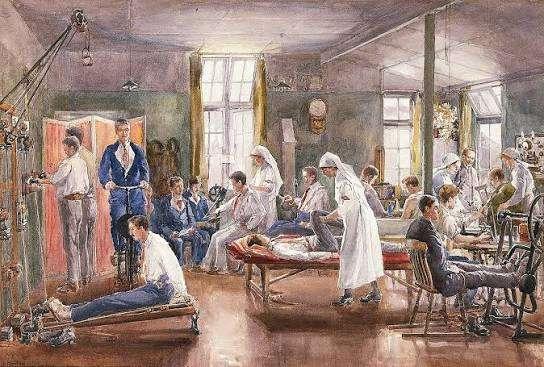
“In the fall the war was always there, but we did not go to it any more.”
Lives change after war, and that's a theme Hemingway returned to again and again. In Another Country explores that reality through a group of wounded soldiers recovering in a military hospital, where physical wounds are treated but emotional ones remain. As they struggle with loneliness, grief, and the loss of who they once were, Hemingway quietly shows that some scars can't be healed by time—or by machines.
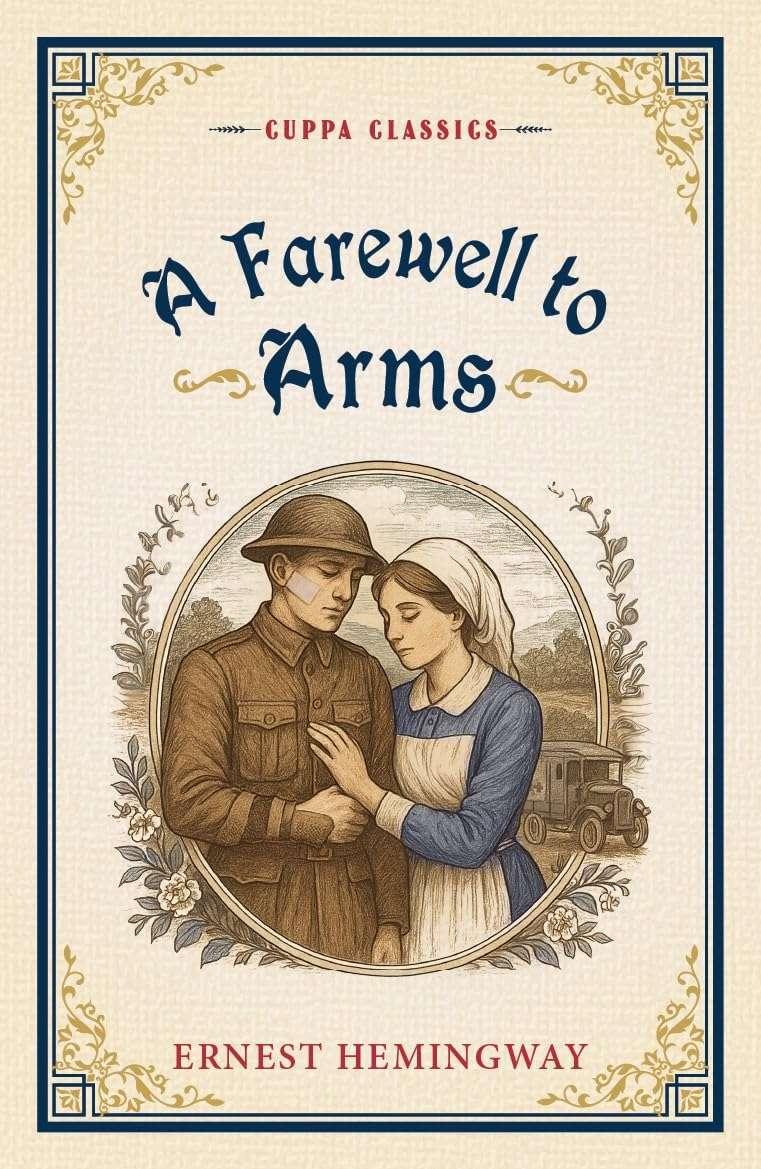
Also Buy: A Farewell to Arms
7. The Short Happy Life of Francis Macomber

“If a four-letter man marries a five-letter woman, he was thinking, what number of letters would their children be?”
Three people on a hunting safari become the centre of a gripping exploration of masculinity, fear, and the fragile dynamics of marriage. After a moment of cowardice, Francis Macomber experiences a dramatic shift in confidence, changing the balance between him, his wife, and their hunting guide. With its unforgettable ending, Hemingway leaves readers questioning whether Macomber's brief moment of happiness ends in triumph, tragedy, or something far more ambiguous.
8. Cat in the Rain
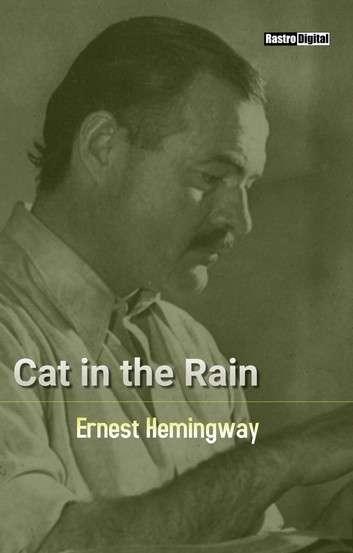
“The American wife stood at the window looking out. Outside right under their window a cat was crouched under one of the dripping green tables.”
Sometimes, Hemingway says the most with the smallest of moments. Cat in the Rain is one of those stories. Dedicated to Hemingway's wife Hadley, it follows an American couple staying at a hotel in Italy, where the wife becomes fixated on rescuing a cat caught outside in the rain. It wasn’t a simple desire for her. It was a longing for affection, independence, and a more fulfilling life. In just a few pages, Hemingway explores emotional distance, unmet needs, and the disconnect that can exist within a marriage.
Less Is More: Literary Genius of Ernest Hemingway
What makes Ernest Hemingway's short stories unforgettable isn't just what happens—it's everything that doesn't. He could turn a conversation at a train station, a quiet evening in a café, or a fishing trip into profound reflections on love, grief, fear, identity, and mortality. His characters rarely explain themselves, yet their emotions feel strikingly real.
That's the brilliance of his literary genius. Decades after they were written, these stories continue to reward every reread, revealing fresh emotional and philosophical layers. So pick his stories and celebrate the writer who proved that less can truly be more.
Your next read: Why Homer’s The Odyssey Remains a Timeless Classic (And What Nolan’s Film Might Bring)