

Parent Categories


Related Products



Related Books


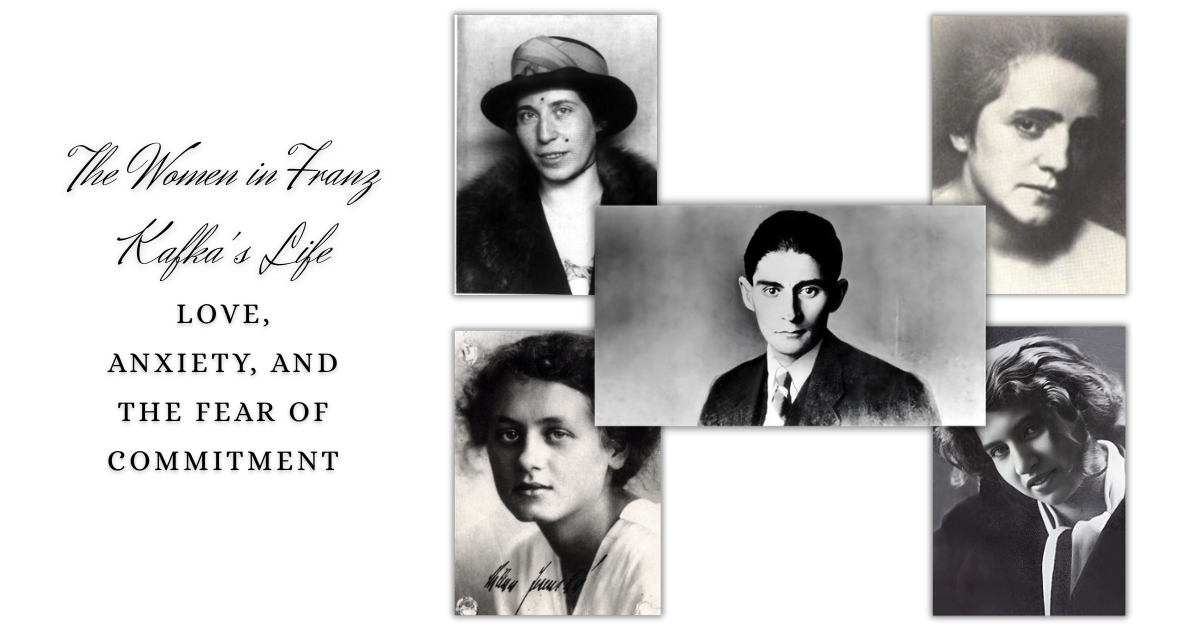
The Women in Franz Kafka's Life: Love, Anxiety, and the Fear of Commitment
 Franz Kafka
Few writers have explored the complexities of love, loneliness, and emotional uncertainty as hauntingly as Franz Kafka. His novels are filled with isolated protagonists trapped in incomprehensible worlds, struggling to connect with others while simultaneously fearing intimacy. It is tempting to see these themes as purely literary inventions—but a look into Kafka's personal life reveals that they were deeply rooted in his own relationships.
Kafka fell in love several times. He wrote thousands of passionate letters, dreamed of companionship, proposed marriage more than once, and yet repeatedly withdrew when commitment became a reality. His relationships with the women in his life reveal a man caught in a painful paradox: he longed for love but feared everything it demanded.
Understanding these women—and what they meant to Kafka—offers a fascinating glimpse into the emotional landscape behind one of literature's most enigmatic voices.
Also read: The Hidden Queer Lives of Classic Authors
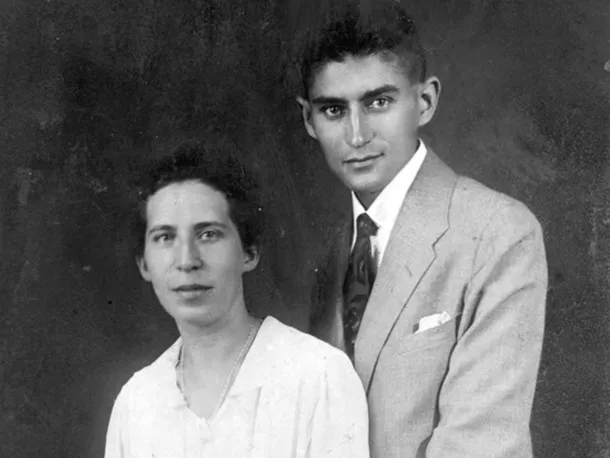
Felice Bauer: The Woman Who Received Hundreds of Letters
 [Image credit: www.latempestad.mx]
Kafka met Felice Bauer in 1912 at the home of his close friend, Max Brod, in Prague. Their first meeting was unremarkable by conventional standards. Kafka later described her as looking almost businesslike, hardly the romantic description one might expect of a future fiancée. Yet something about her captivated him.
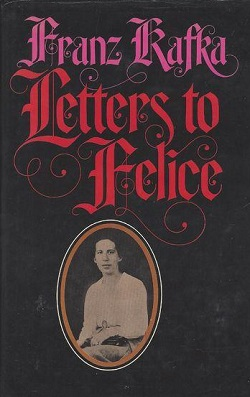
What followed became one of the most extraordinary literary correspondences in history. Kafka wrote hundreds of letters to Felice over five years, many of which were later collected in Letters to Felice. The book offers an intimate window into Kafka's mind, revealing astonishing emotional intensity. He confessed his fears, analysed every feeling, questioned their compatibility, and often turned simple matters into endless philosophical debates.
“I am not well; I could have built the Pyramids with the effort it takes me to cling on to life and reason.”
― Franz Kafka, Letters to Felice
Ironically, the very medium that brought them close also allowed Kafka to maintain emotional distance. Letters offered intimacy without requiring everyday domestic life—the aspect of marriage that terrified him.
Kafka became engaged to Felice twice, first in 1914 and again in 1917. Both engagements ended in separation.
His reasons were painfully consistent. He worried that marriage would destroy the solitude he believed essential for writing. He feared disappointing Felice. He doubted his ability to be a husband. His poor health, demanding office job, and growing awareness of his tuberculosis only intensified these anxieties.
For Kafka, love was never simply about affection; it became a relentless internal trial.
Grete Bloch: An Unexpected Complication
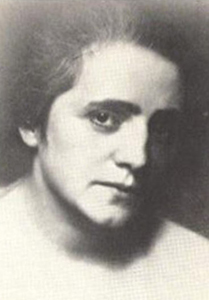
The relationship with Felice became even more complicated through Grete Bloch, a mutual acquaintance who initially acted as a mediator between the couple.
Kafka corresponded extensively with Grete as well. During the emotional chaos surrounding his engagement, misunderstandings multiplied. One dramatic confrontation in a Berlin hotel—sometimes called Kafka's ‘tribunal’ because of its resemblance to the courtroom scenes in The Trial—effectively ended his first engagement to Felice.
For years, rumours circulated that Kafka may have fathered a child with Grete, though historians remain divided on the evidence. Whether true or not, the episode reflects the emotional confusion that often surrounded Kafka's relationships.
Instead of offering clarity, each new connection seemed to deepen his sense of guilt and uncertainty.
Milena Jesenská: A Meeting of Minds
 [Image credit: www.deadladiesshow.com]
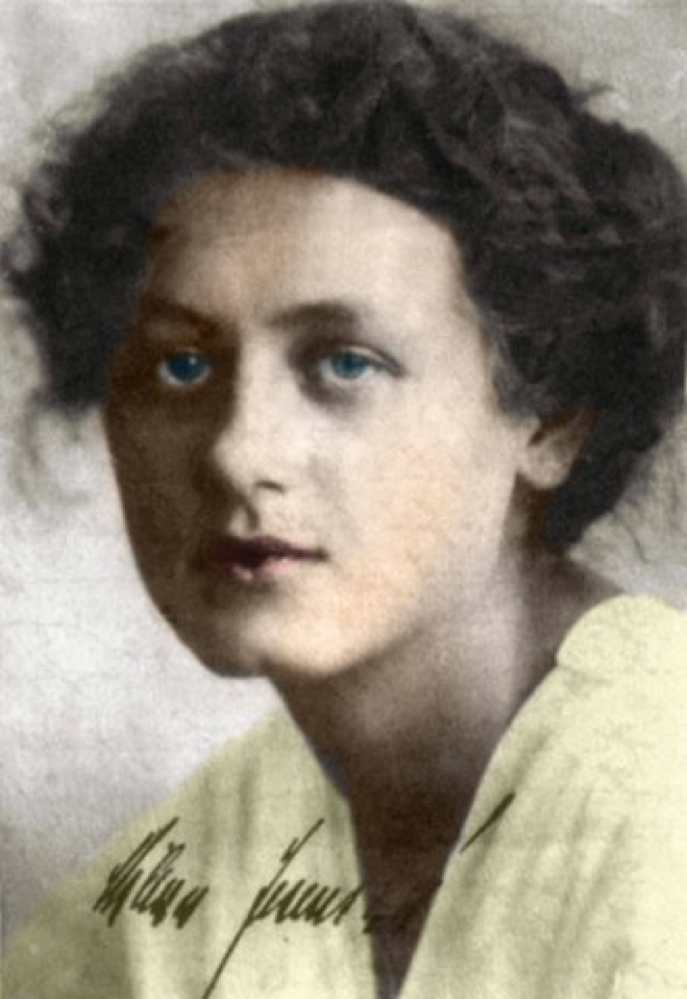
If Felice represented the possibility of marriage, Milena Jesenská represented intellectual companionship.
Milena was a Czech journalist, writer, and translator who began corresponding with Kafka in 1920 while translating his work into Czech. Unlike his earlier relationships, this one quickly evolved into a profound exchange of ideas, emotions, literature, and personal struggles.
Their correspondence, later published as Letters to Milena, is among the most moving collections Kafka ever wrote. The letters reveal a relationship built on intellectual intimacy, emotional vulnerability, and a profound understanding that went far beyond romance.
“You are the knife I turn inside myself; that is love. That, my dear, is love.”
― Franz Kafka, Letters to Milena
Milena understood Kafka's writing in ways few others could. She recognised both his brilliance and his vulnerability. Kafka admired her intelligence, independence, and emotional honesty.
Yet once again, circumstances complicated everything.
Milena was married, although unhappily. Kafka's fragile health continued to deteriorate. More importantly, his lifelong fears of intimacy remained unresolved. Even when emotional compatibility seemed possible, he struggled to imagine a shared future.
Their relationship eventually faded, but the affection and respect between them endured.
Many scholars consider Milena to have been one of the few people who truly understood Kafka.
Dora Diamant: Love at the End
 [Image credit: www.porta-polonica.de]
Kafka's final great relationship was perhaps his happiest.
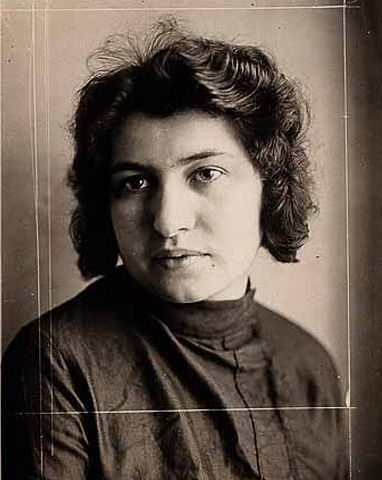
In 1923, he met Dora Diamant while vacationing on the Baltic coast. Dora was young, energetic, deeply compassionate, and willing to build a life with him despite his worsening illness.
Unlike earlier relationships, Kafka made a decisive move. He left Prague, lived with Dora in Berlin, and experienced a degree of independence from his family that he had long desired.
Friends observed a noticeable change in him. Dora encouraged him, cared for him during his illness, and accepted both his literary ambitions and emotional complexities.
Although marriage remained impossible because of Kafka's rapidly declining health, this relationship came closest to fulfilling his dream of companionship.
Kafka died in 1924, with Dora by his side.
Why Was Kafka So Afraid of Commitment?
Modern readers often wonder why Kafka repeatedly sabotaged relationships that clearly mattered to him.
The answer lies not in a single cause but in the convergence of several lifelong anxieties.
His famously difficult relationship with his authoritarian father left Kafka with deep feelings of inadequacy. He frequently doubted his worth and feared becoming an equally disappointing husband or father.
Writing occupied an almost sacred place in his life. Kafka believed literature demanded complete devotion. Marriage, domestic responsibilities, and family life appeared to him not as sources of happiness but as obstacles to artistic creation.
His perfectionism only intensified the problem. Kafka constantly questioned his decisions, examined his emotions, and anticipated future disappointments before they could occur. Rather than risk failure, he often withdrew altogether.
His diagnosis of tuberculosis in 1917 added another burden. Physical illness reinforced his belief that he could not offer anyone a stable future.
Together, these fears created a cycle that became nearly impossible to escape: desire for intimacy followed by overwhelming anxiety, withdrawal, regret, and renewed longing.
The Women Behind the Writer
It would be unfair to view the women in Kafka's life merely as supporting characters in the story of a famous author. Each carried a life as rich and complex as Kafka’s own, deserving to be read as more than a footnote to literary history.
Felice Bauer was an accomplished businesswoman whose patience sustained one of literature's greatest collections of love letters. Grete Bloch became entangled in an emotionally exhausting situation through circumstances largely beyond her control. Milena Jesenská emerged as an influential journalist and later courageously resisted Nazi occupation, ultimately dying in Ravensbrück concentration camp. Dora Diamant preserved Kafka's memory and remained devoted to him even after his death.
Each woman encountered a different Kafka: the hopeful lover, the anxious correspondent, the brilliant conversationalist, the dying writer searching for peace.
Together, they illuminate the deeply human side of a man so often associated only with existential dread and surreal fiction.
A Life Torn Between Love and Literature
Franz Kafka's love life was not a series of simple romantic failures. It was the outward expression of an inner conflict that shaped both his personal relationships and his literary masterpieces. He craved closeness but feared losing himself within it. He wanted companionship yet believed his calling as a writer demanded solitude. Every relationship became a negotiation between hope and fear.
Perhaps that is why Kafka's work continues to resonate today. His stories remind us that the greatest barriers are often not external but internal. The same anxieties that haunted his novels also haunted his heart—and the women who loved him witnessed both the brilliance and the burden of living alongside one of literature's most extraordinary minds.
Your next read: 7 George Orwell Quotes That Predicted Modern Society