

Parent Categories




Related Products




Related Books



Why Ray Bradbury's Fahrenheit 451 Keeps Getting More Relevant, Not Less
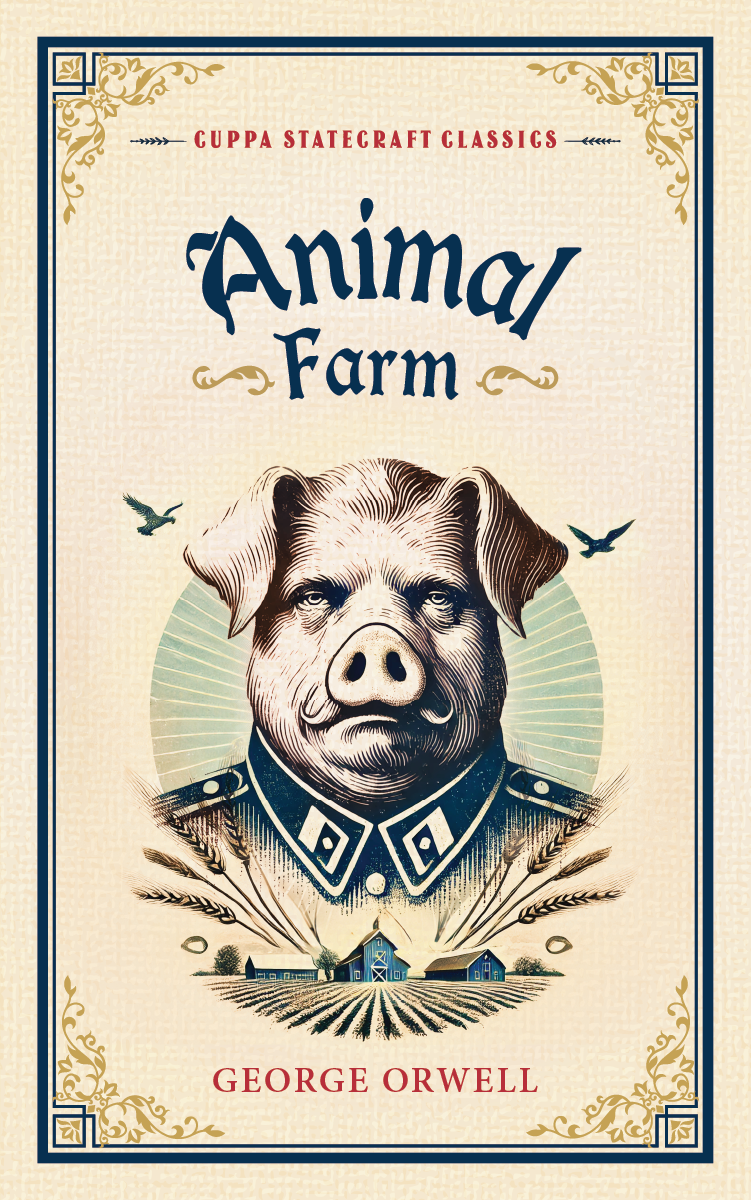
 Ray Bradbury's Fahrenheit 451
As the world changes at a dizzying pace, many elements once confined to dystopian fiction seem to be creeping into reality. In such a time, Ray Bradbury's Fahrenheit 451 feels disturbingly relevant rather than outdated.
Published in 1953, this classic is often remembered as a story where firefighters burn books. It isn’t just about censorship and book bans; it is also about asking difficult questions and exercising free will against all odds. Because free will isn’t always free in a world where censorship is selective, and people in power want control over societal intellect.
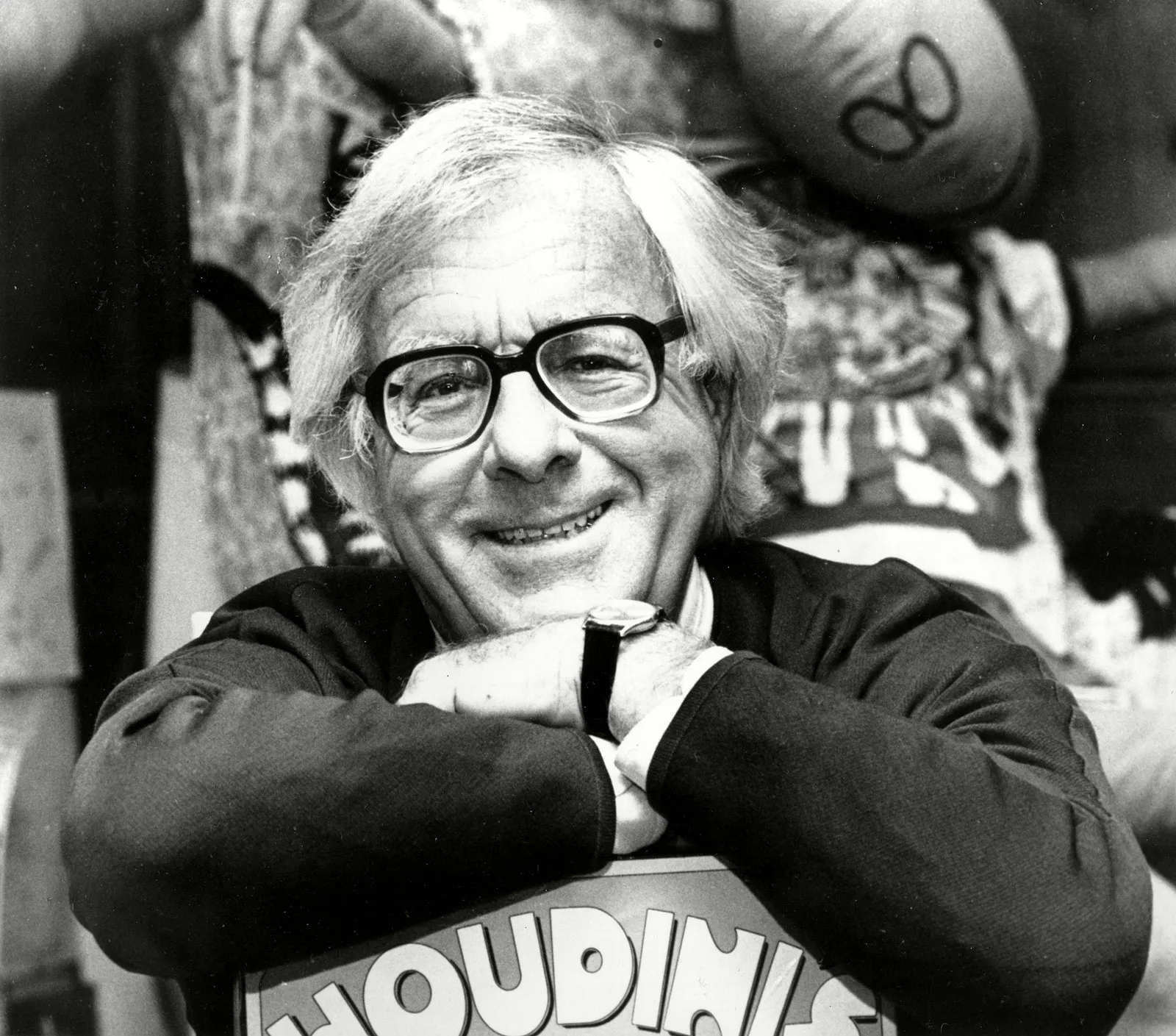
Today, let’s remember Ray Bradbury on his birthday and keep the conversation around books going.
Also read: 10 Classic Novels That Failed When First Published
AI Companies Destroying Books to Train AI Models
Anyone who spends time on social media must be aware of the prevalence of AI. AI-generated content, videos, articles, posters, restaurant menus, and ads have flooded our lives. People now have easy access to AI. As a result, AI has become deeply embedded in everyday life. All of this seems harmless, and even beneficial, doesn't it? But this is where Fahrenheit 451 becomes even more relevant.
The lines have begun to blur. Recent reports reveal that AI companies are using AI models to destroy countless books to train AI models. AI models are being trained on books, and authors are not being consented to beforehand.
With Fahrenheit 451 in hand, it is difficult not to draw parallels between Bradbury's dystopian world and our own. Although books are not being literally burned, they are increasingly treated as datasets for machines and are being destroyed rather than being preserved. Bradbury's version of society that gradually loses its respect for knowledge, critical thinking, and literature itself is our reality now.
Censorship in School Textbooks
Around the world, governments and educational boards regularly revise school curricula, sometimes removing or altering historical events, literary works, or political perspectives that they consider controversial. As a result, younger generations may grow up with an incomplete or one-sided understanding of history. This echoes one of the central warnings in Fahrenheit 451: controlling what people read and learn can shape how they think.
Decreasing Attention Spans
 [Image Credit: Pinterest]
In the book, we meet Mildred, the wife of the protagonist, Guy Montag. She is addicted to interactive parlour-wall televisions, consumed by mindless entertainment, and dependent on sleeping pills, all while remaining emotionally detached from her husband and the world around her. Mildred embodies Bradbury's warning about passive consumption, where constant entertainment leaves little room for reflection, meaningful relationships, or independent thought.
Fast forward to today, and the comparison feels hauntingly familiar. Many of us have a habit of endlessly scrolling, often consuming an overwhelmingly curated content. Platforms are designed to capture and hold our attention, encouraging us to keep scrolling rather than pause and think.
Bradbury warned that technological devices such as televisions—and, by extension, today's smartphones—would come to dominate our lives. He also warned that books would make people so uncomfortable by challenging their beliefs and demanding critical thought that they would rather not have them in their lives.
Performative Intellectualism
 [Image Credit: Pinterest]
In Fahrenheit 451, Bradbury suggests that simply possessing knowledge is not the same as understanding it. Throughout the novel, characters dismiss books without ever reading them. Intellectualism becomes something to appear interested in rather than something to genuinely pursue.
This feels increasingly relevant in the age of social media. Today, it is easier than ever to appear well-read or informed by sharing quotes, posting book stacks, or summarising ideas without engaging with them deeply. People often consume bite-sized explanations, AI-generated summaries, or viral opinions instead of reading the original works and forming their own conclusions.
Bradbury's warning was not just about a society that stopped reading—it was about a society that stopped thinking. When knowledge becomes performative rather than transformative, books lose their true purpose. Reading is meant to challenge assumptions, encourage curiosity, and cultivate critical thinking, not simply become another marker of intelligence or social status.
Consumerism
 [Image Credit: Pinterest]
Many people are aware of these problems, whether they have read Ray Bradbury or not. We know that endless scrolling drains our attention, that algorithms reward outrage, and that constant consumption often leaves us feeling empty. Yet we continue to fall into the same cycle. Why?
The answer lies in consumerism. Modern society encourages us to consume endlessly—not just products, but also entertainment, information, and digital content. Our attention has become a commodity, with companies competing to keep us engaged for as long as possible. The more we consume, the more profitable we become.
Bradbury understood this dynamic long before the internet existed. In Fahrenheit 451, people are surrounded by entertainment that demands nothing from them except their attention. They are encouraged to seek comfort over curiosity and instant gratification over meaningful engagement. Books, on the other hand, require time, patience, and effort—qualities that consumer culture often discourages because they slow us down instead of keeping us constantly consuming.
Positive Takeaways From Fahrenheit 451
Enough of the doom and gloom. If Fahrenheit 451 is a warning, it is also a guide. Bradbury doesn't leave readers with despair—he leaves them with hope. In his search for meaning, Montag turns to Professor Faber, hoping to understand how to read when others were busy accepting distractions.
Toward the end of the novel, Montag encounters a group of people who have each memorised an entire book to preserve its knowledge. They understand that even if every physical copy is destroyed, ideas can survive as long as someone remembers and shares them. All of this is a powerful reminder that knowledge lives on through those who value it.
Bradbury's message is surprisingly optimistic. Read deeply instead of skimming endlessly. Question what you consume instead of accepting it at face value. Have meaningful conversations instead of settling for constant distraction. Technology itself is not the enemy; thoughtlessness is.
Happy Birthday, Ray Bradbury! Your warning still resonates, your ideas continue to challenge us, and your faith in the enduring joy of reading remains as inspiring today as it was when Fahrenheit 451 was first published.
Your next read: Forbidden Yet Unforgettable: 10 Classics That Were Once Banned