
Parent Categories


Related Products


Related Books


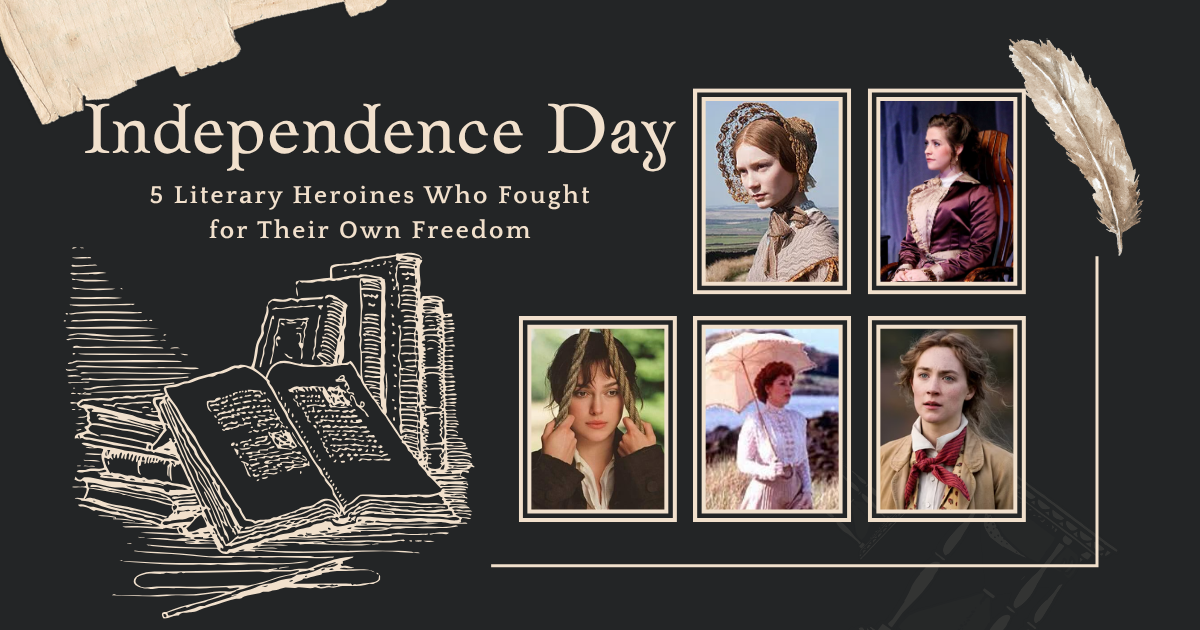
Independence Day: 5 Literary Heroines Who Fought for Their Own Freedom
 Literary Heroines
Independence is usually remembered through grand historical moments—flags rising, speeches being delivered, and nations breaking free from colonial rule. But freedom has another, quieter history: the struggle of individuals to decide who they want to be. Literature has preserved countless versions of that struggle, particularly through women who refused to accept the lives prescribed for them.
Long before conversations about women’s autonomy became commonplace, fictional heroines were questioning marriage, family, class, money and social expectations. They did not always win. Some made painful compromises; others paid an enormous price for choosing themselves. Yet their resistance remains powerful because their battles are recognisable even today.
This Independence Day, here are five literary heroines who fought not for a nation, but for something equally fundamental—the freedom to own their choices, voices and identities.
Also read: 5 Ways Becky Sharp from Vanity Fair Was the Most Modern Woman in Victorian Fiction
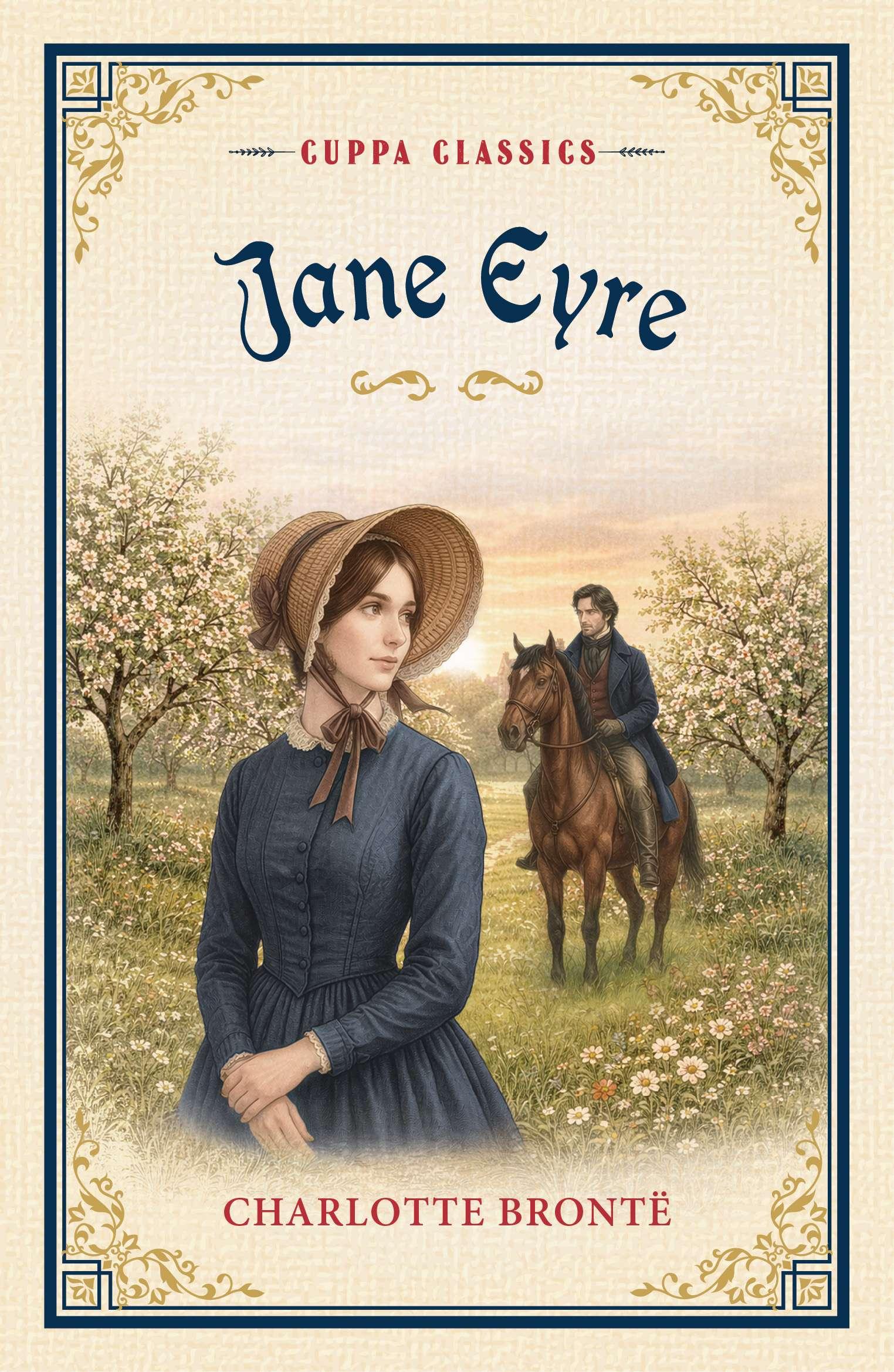
1. Jane Eyre: Freedom Without Surrender
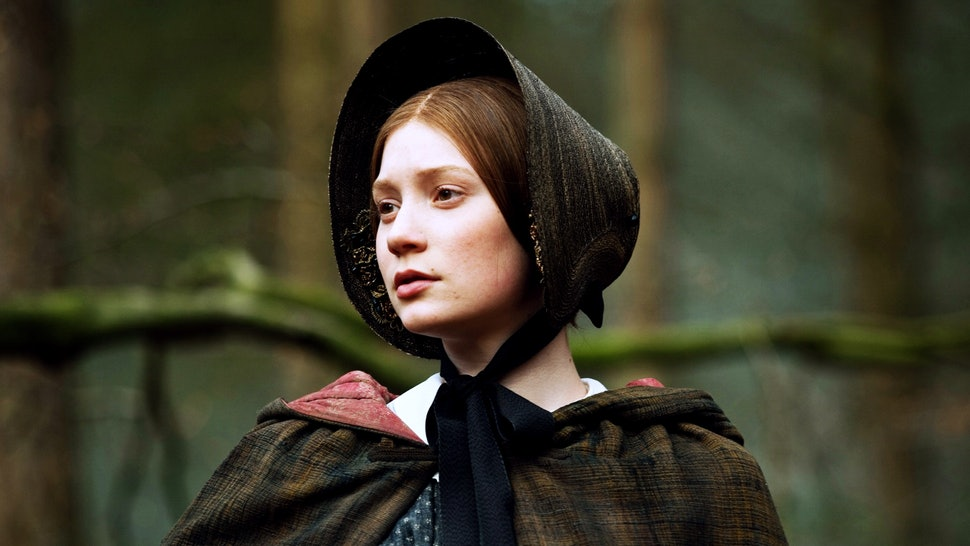 [Image credit: www.19ctoday.wordpress.com]
Few literary heroines embody the idea of personal independence as fiercely as Jane Eyre.
From the moment she is introduced in Charlotte Brontë’s Jane Eyre, Jane refuses to accept that being poor, orphaned and female makes her inferior. At Gateshead, she challenges her aunt’s cruelty. At Lowood, she learns endurance without surrendering her sense of self. And at Thornfield, her love for Rochester does not erase her principles.
Jane’s most important rebellion comes when she discovers that Rochester is already married. She loves him, but she refuses to become his mistress. Her decision is devastating because staying would mean emotional fulfilment at the cost of her moral and personal independence.
Her famous declaration—“I am no bird; and no net ensnares me”—captures the heart of her character. Jane does not want freedom from love; she wants freedom within love. When she eventually returns to Rochester, it is on terms that allow her to enter the relationship as an equal rather than a dependent.
Jane’s journey reminds us that independence is not necessarily about standing alone. Sometimes it means refusing to lose yourself while standing beside someone else.
Buy here: Jane Eyre
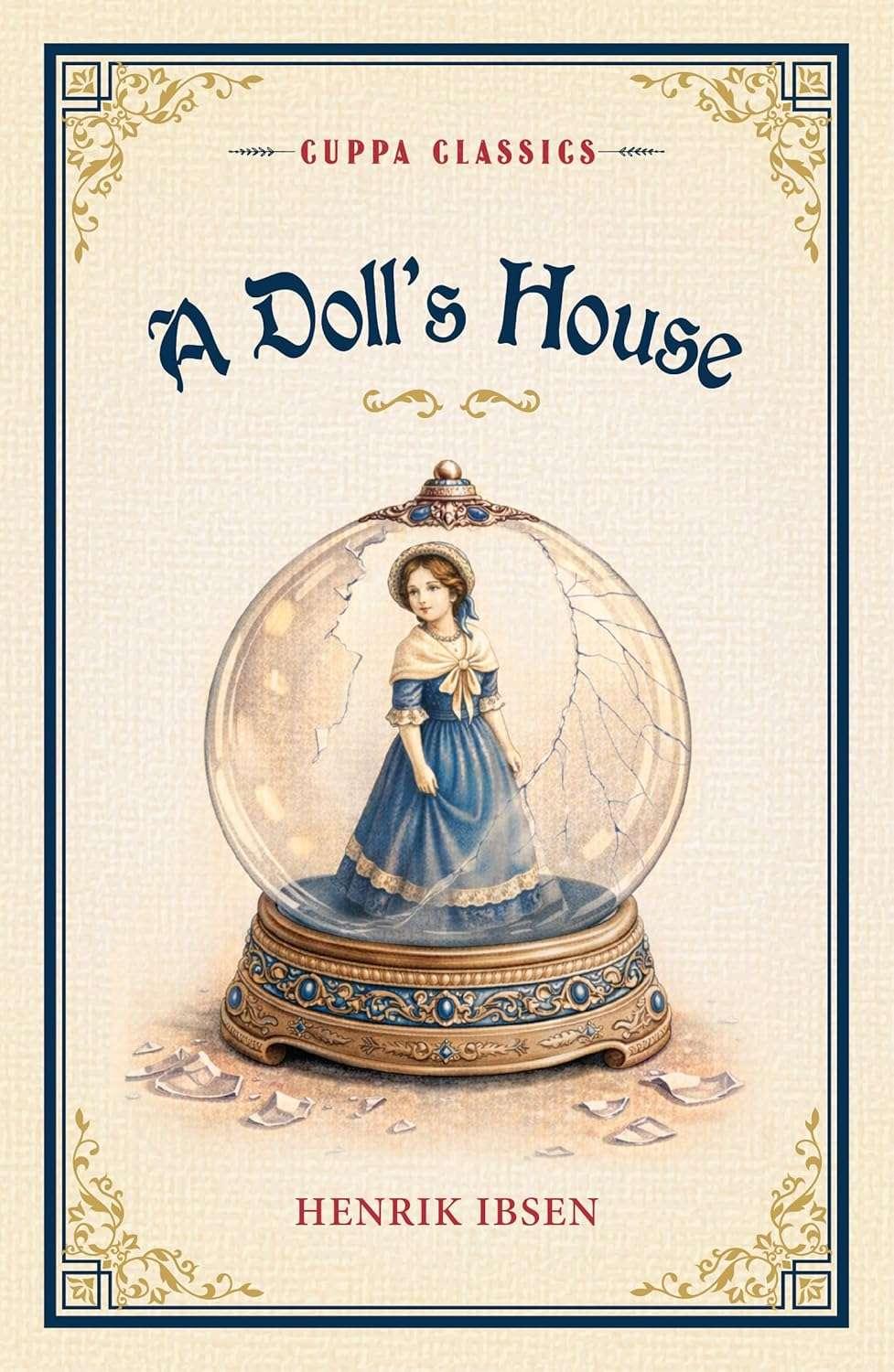
2. Nora Helmer: The Door That Changed Everything
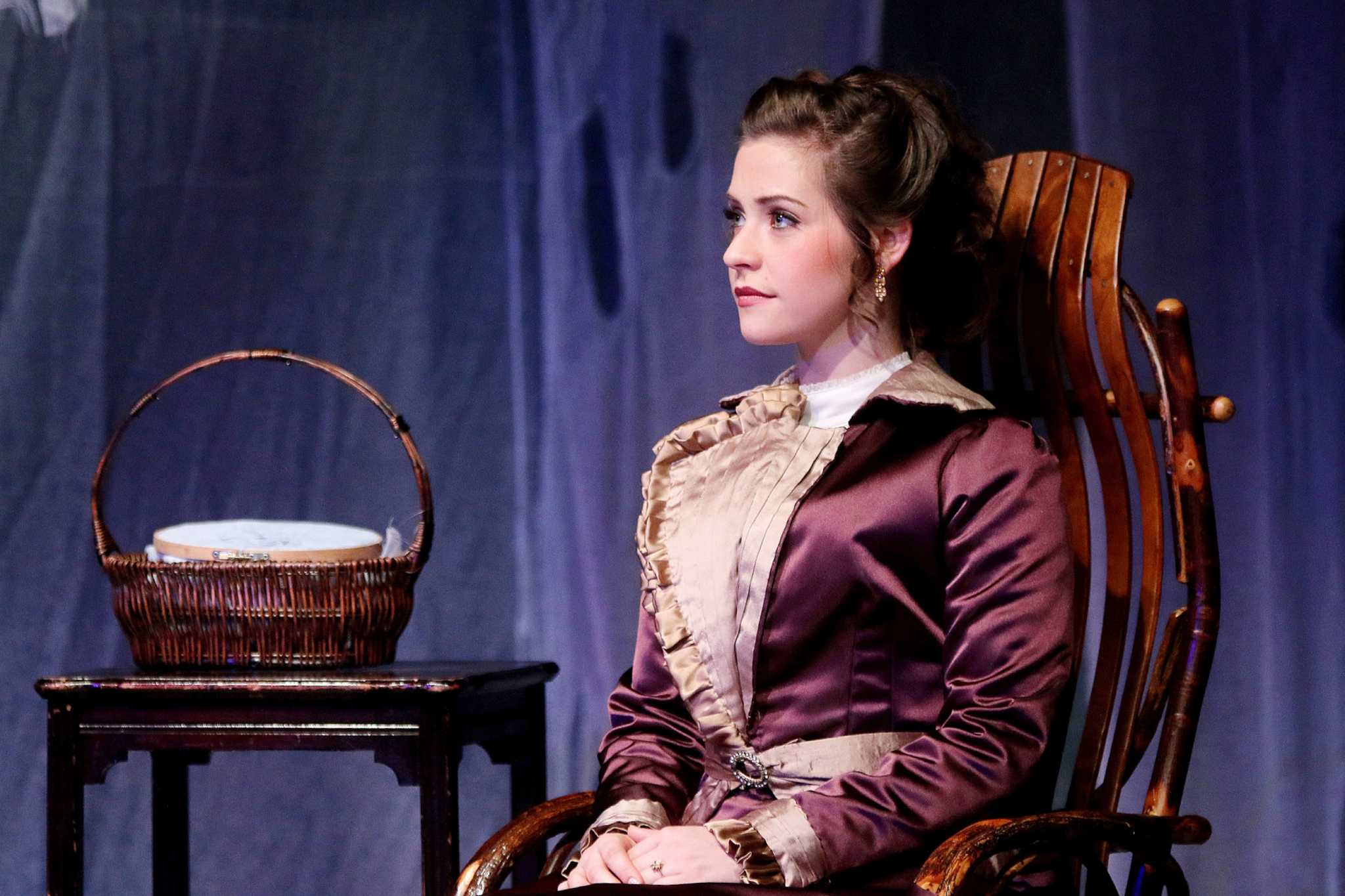 [Image credit: www.weloverswsx.click]
When Henrik Ibsen’s A Doll’s House premiered in 1879, its heroine, Nora Helmer, shocked audiences by doing something that seemed almost unthinkable: she walked away from her husband and children to discover who she was.
For much of the play, Nora appears to be living a comfortable domestic life. Her husband, Torvald, calls her pet names and treats her like a charming child rather than an adult. But beneath the cheerful exterior lies a woman who has secretly borrowed money to save his life.
When the truth emerges, Nora expects gratitude and understanding. Instead, Torvald is primarily concerned with his reputation.
That moment becomes Nora’s awakening. She realises that she has been treated as a possession first by her father and then by her husband. She has never been allowed to develop an independent identity.
Her decision to leave is not presented as easy or triumphant. It is frightening. Yet Nora understands that she cannot become a whole person while continuing to live as someone else’s “doll”.
The closing door of A Doll’s House therefore became one of modern drama’s most memorable symbols of female independence. Nora chooses uncertainty over a comfortable life built on dependence.
Buy here: A Doll’s House
3. Elizabeth Bennet: Freedom to Choose Whom—and Whether—to Marry
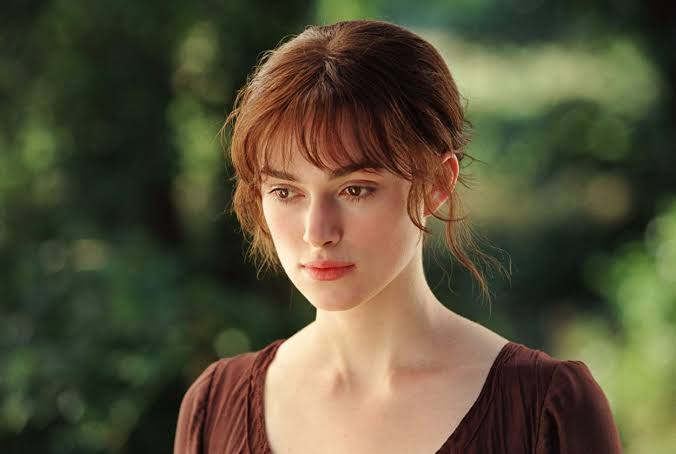 [Image credit: www.indiependent.co.uk]
Elizabeth Bennet may not leave home or dramatically reject society, but Jane Austen’s heroine fights for independence through something deceptively simple: the right to choose.
In Pride and Prejudice, marriage is closely tied to financial security, social status and a woman’s future. For someone like Elizabeth, marrying well could mean stability. Yet she repeatedly refuses to treat marriage as a transaction.
She rejects Mr Collins despite knowing that marriage to him would provide security. More significantly, she initially refuses Mr Darcy, one of the wealthiest men in her world.
Elizabeth's independence lies in her refusal to say yes simply because society tells her she should. She wants respect, intellectual compatibility and genuine affection.
Austen makes this resistance witty rather than revolutionary. Elizabeth does not deliver political speeches. She simply insists on thinking for herself—and that is precisely what makes her radical.
Her story suggests that freedom can sometimes begin with the courage to say no when everyone expects you to say yes.
Buy here: Pride and Prejudice
4. Edna Pontellier: The Dangerous Desire for a Life of Her Own
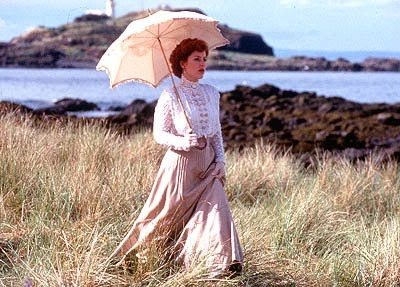 [Image credit: www.literature.fandom.com]
Kate Chopin’s The Awakening gives us one of literature’s most unsettling portraits of a woman seeking freedom. Edna Pontellier is a married mother living within the expectations of upper-class New Orleans society.
But Edna gradually begins to understand that the roles of wife and mother do not completely define her.
She wants to paint. She wants solitude. She experiences romantic and sexual desire. Most importantly, she wants to belong to herself.
Her awakening is exhilarating but also deeply uncomfortable because the society around her offers little space for a woman who wants both emotional and personal autonomy.
Edna's tragedy lies in the fact that her society cannot easily accommodate the freedom she seeks. Her story is therefore not a simple tale of liberation. It asks a harder question: What happens when a person discovers her freedom before the world is prepared to accept it?
More than a century after its publication, The Awakening remains powerful precisely because it refuses to offer an easy answer.
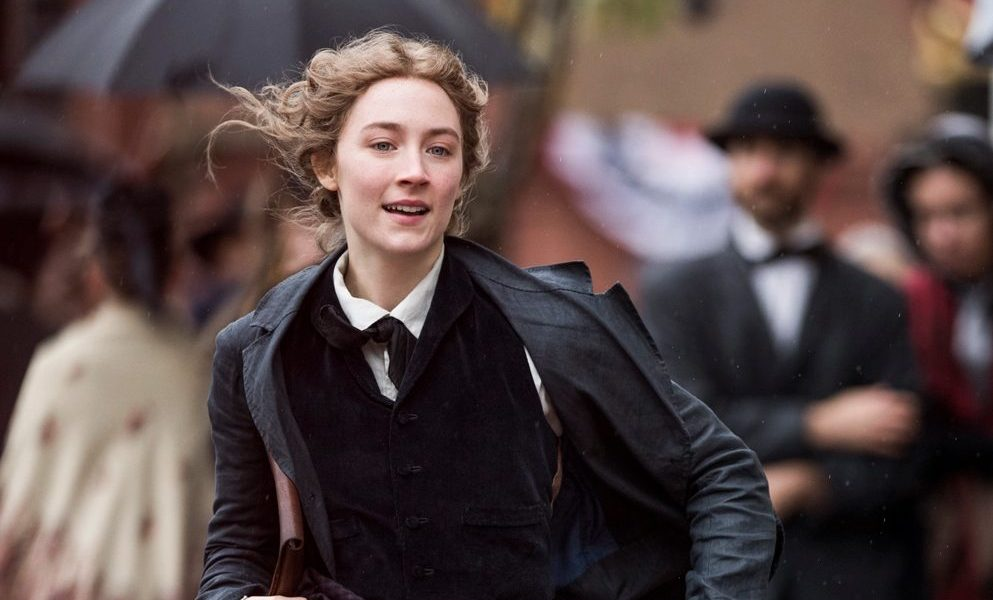
5. Jo March: Refusing to Become Someone Else's Idea of a Woman
 [Image credit: www.publicbooks.org]
Louisa May Alcott’s Jo March is perhaps the most immediately lovable rebel on this list.
In Little Women, Jo dislikes the idea that femininity must mean gentleness, obedience and domestic perfection. She cuts her hair, writes stories, earns money and dreams of becoming an author.
But Jo’s most significant struggle is internal. She loves her family deeply, yet she also wants a life that belongs to her.
Her refusal of Laurie is particularly important. Their friendship and affection might seem to point naturally towards marriage, but Jo understands that marrying someone simply because it makes sense to everyone else would betray her own instincts.
Eventually, she finds a different path—one that brings love and family without requiring her to surrender her ambitions.
Jo’s independence is messy, emotional and imperfect. She gets angry, makes mistakes and grows. That makes her feel remarkably modern: she does not want to become an ideal woman. She wants to become Jo.
Buy here: Little Women & Good Wives
Freedom, One Woman at a Time
These five heroines lived in different worlds and faced very different constraints. Jane Eyre fought for dignity, Nora for identity, Elizabeth for choice, Edna for autonomy and Jo for the freedom to create her own future.
Their struggles remind us that independence is not only a historical event marked on a calendar. It is also a deeply personal act.
Every time a woman questions an expectation, chooses her own path, refuses to be reduced to a role or insists on being heard, she participates in that larger story of freedom.
And perhaps that is why these heroines continue to speak to us. Nations may win independence once, but individuals often have to fight for theirs every day.
Your next read: National Book Lovers Day: 9 Classic Novels Under 200 Pages for a Slow Reading Day