

Parent Categories




Related Products



Related Books

From Near-Blindness to Mescaline: The Extraordinary Inner Life of Aldous Huxley
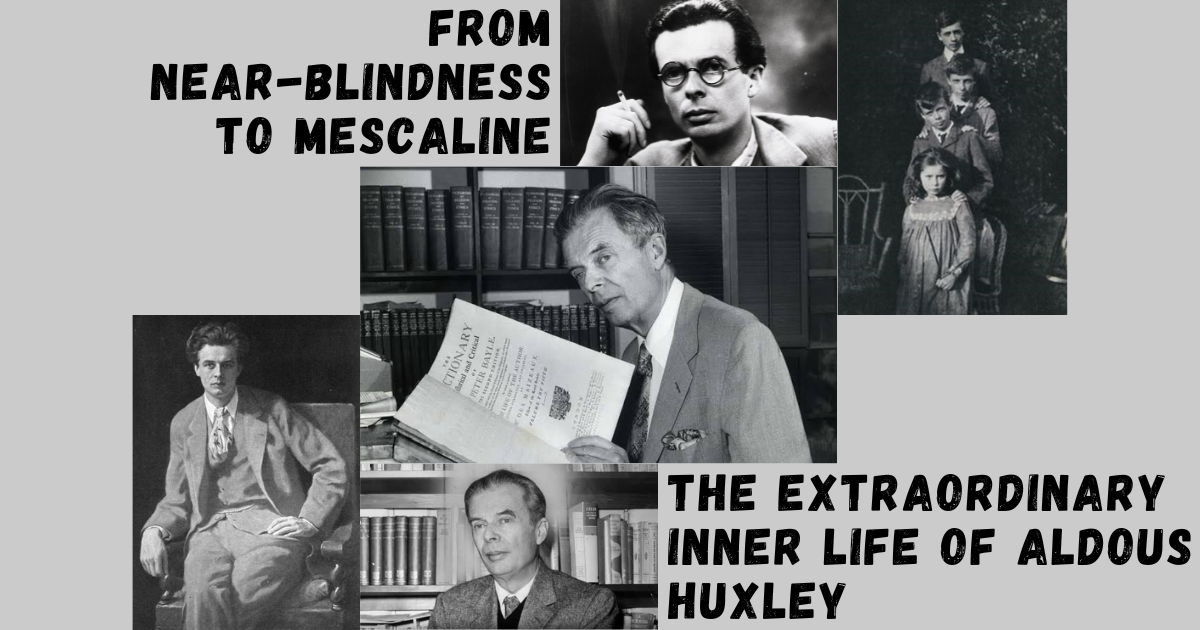 Life of Aldous Huxley
There are writers whose lives are as fascinating as their books, and then there is Aldous Huxley—a man whose greatest adventures unfolded not in distant countries but within the landscapes of his own mind. Best known for Brave New World, Huxley is often remembered as the prophet who imagined a future shaped by genetic engineering, consumerism, and pleasure-driven control. Yet the story behind the novelist is even more remarkable. It is a story of near-blindness, relentless intellectual curiosity, spiritual seeking, and psychedelic exploration.
To understand Huxley is to realise that his lifelong obsession was not simply with predicting the future. He was trying to answer a much older question: What does it truly mean to perceive reality?
Also read: Why Jules Verne Still Matters: The Classic Author Who Predicted Tomorrow
The Illness That Changed Everything
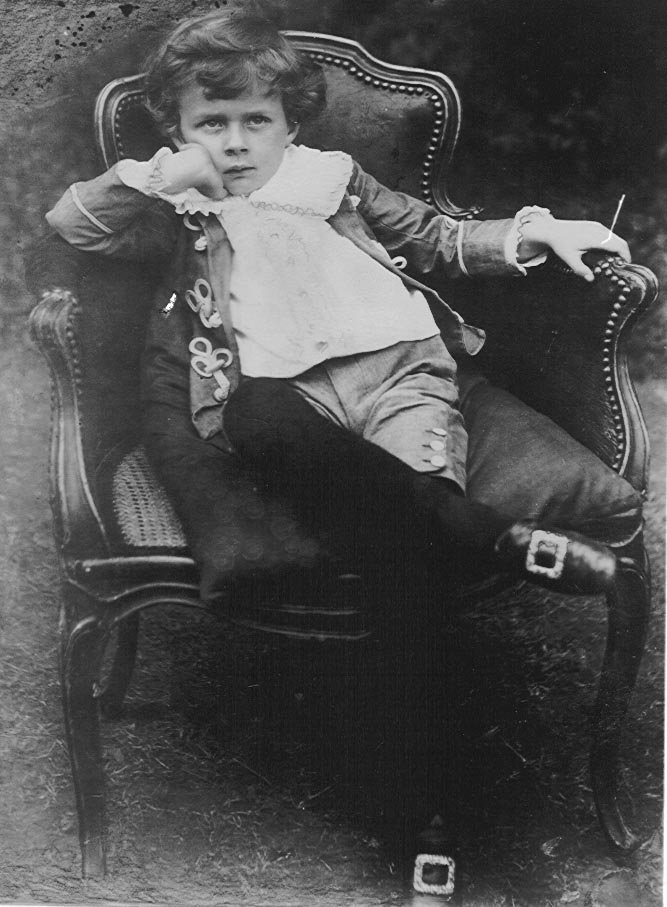 [Young Aldous Huxley. Image Credit: www.retro-vintage-photography.blogspot.com]
Aldous Huxley seemed destined for an academic life. Born in 1894 into one of Britain's most distinguished intellectual families, he grew up surrounded by scientists, educators, and writers. His grandfather was the celebrated biologist Thomas Henry Huxley, known as "Darwin's Bulldog," while his brother Julian Huxley would become a renowned evolutionary biologist.
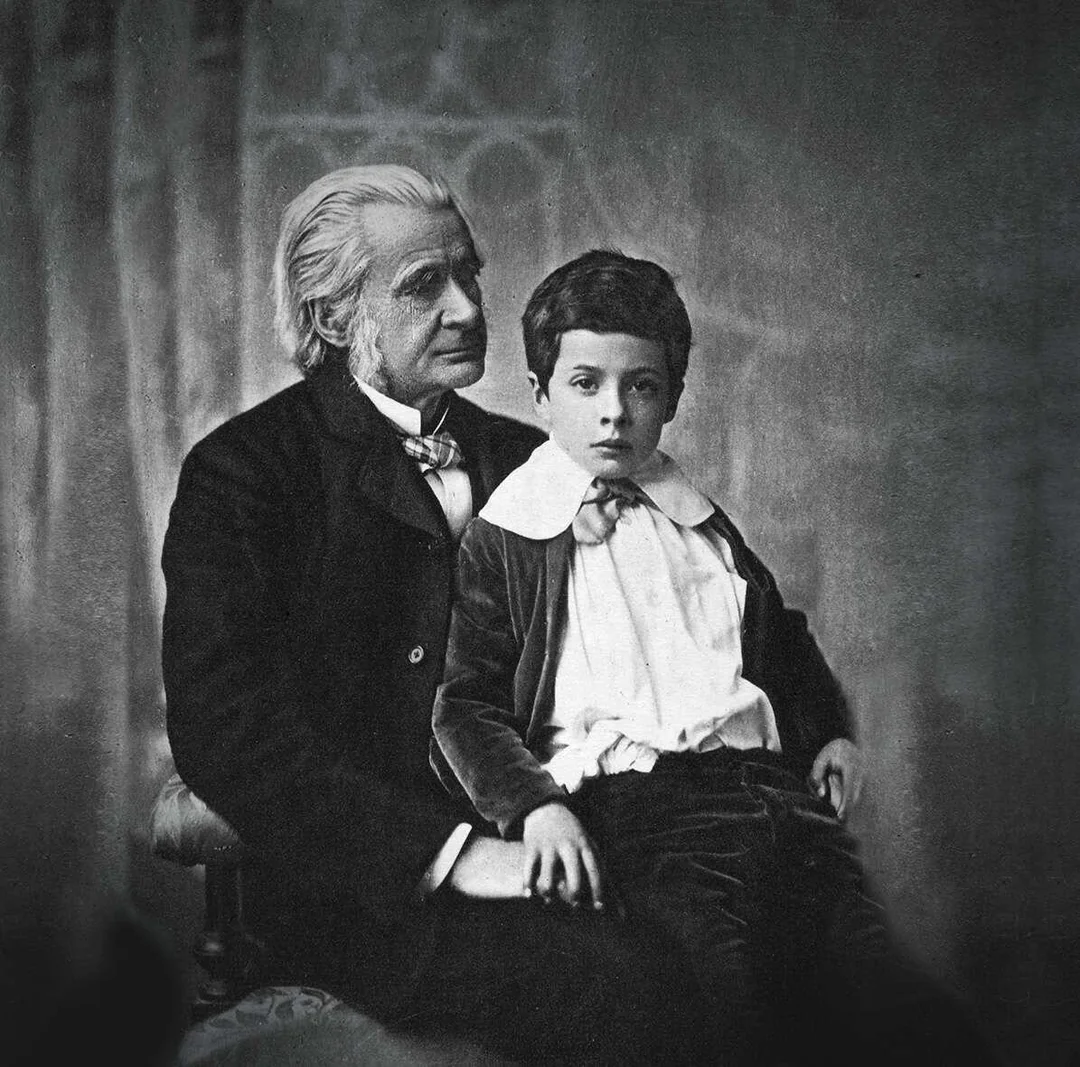 [Aldous Huxley with his grandfather, Thomas Henry Huxley. Image credit: www.reddit.com/r/OldSchoolCool]
But at 16, everything changed.
Huxley developed keratitis punctata, a severe eye disease that left him almost completely blind for several years. Reading became nearly impossible. His dreams of pursuing science collapsed, forcing him to abandon the career he had envisioned.
For a young man whose world revolved around books and ideas, the experience was devastating. Yet this apparent setback redirected his life toward literature. Unable to become the scientist he had imagined, Huxley instead became one of the twentieth century's most original thinkers, blending scientific understanding with philosophical inquiry in ways few novelists ever managed.
His eyesight partially recovered over time, though he continued to struggle with visual impairment throughout his life. This experience left a lasting mark on his imagination. Vision, both literal and metaphorical, became one of the defining themes of his work. His fascination with perception was never merely intellectual—it emerged from the deeply personal experience of losing and partially regaining the ability to see.
A Mind That Refused Boundaries
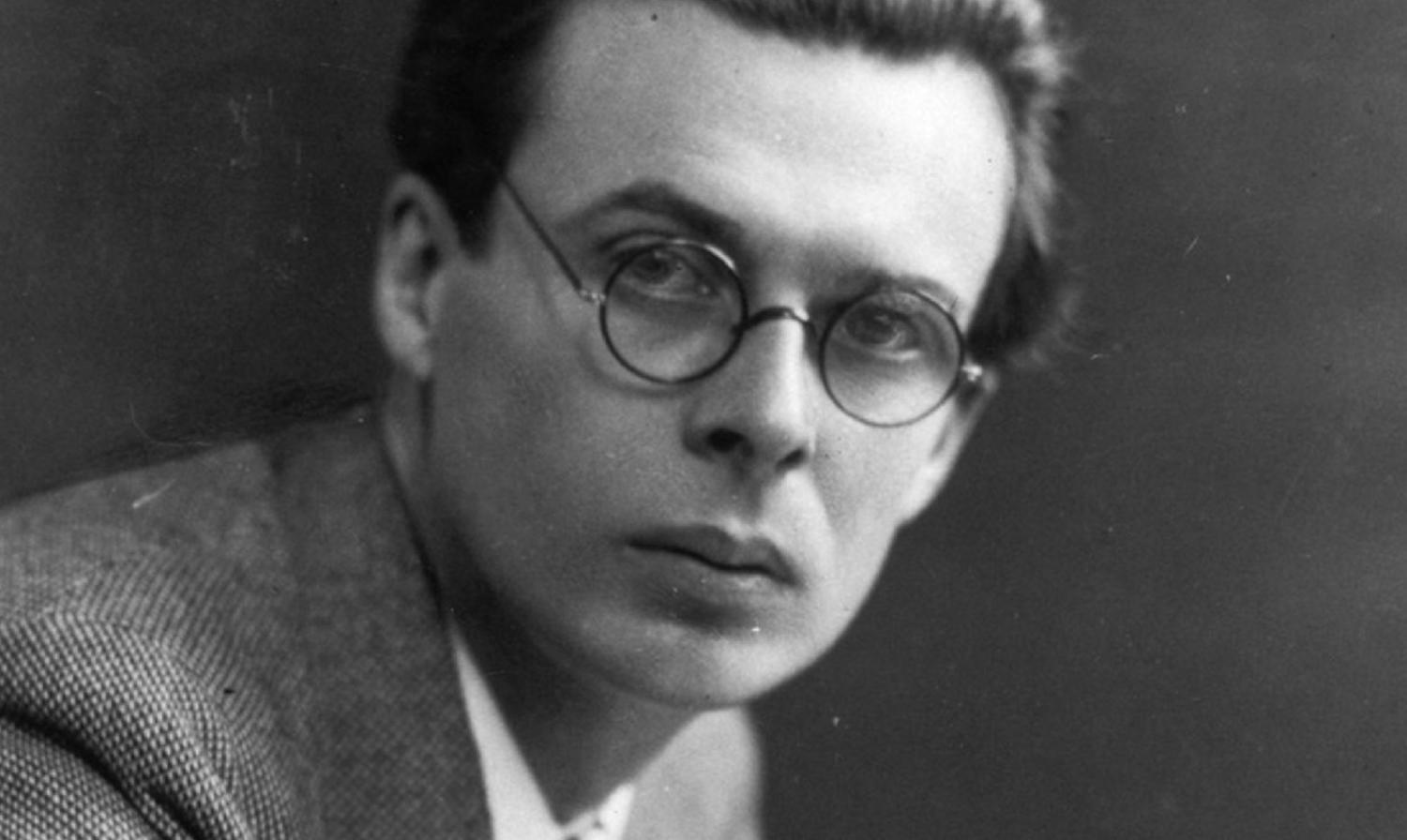 [Image credit: www.elsaltodiario.com]
Many writers find one field and excel in it. Huxley seemed interested in all of them.
His essays effortlessly moved between biology, psychology, religion, politics, literature, history, and philosophy. He could discuss evolutionary theory with the precision of a scientist before shifting into reflections on Eastern spirituality or Renaissance art.
This remarkable breadth wasn't accidental. Huxley believed that knowledge became meaningful only when different disciplines spoke to one another. Scientific discoveries, religious traditions, and artistic expression were, in his view, different attempts to understand the same mysterious reality.
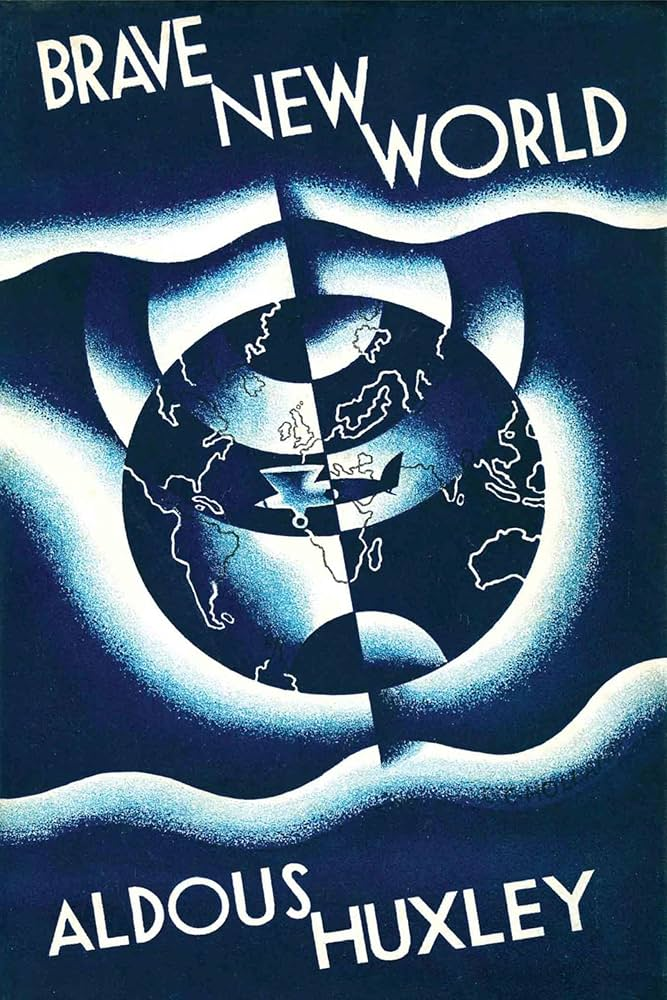
That intellectual openness shaped all his major works. Brave New World wasn't simply science fiction; it was also a philosophical meditation on happiness, freedom, and human nature. Later novels such as Island explored alternative visions of society where scientific progress coexisted with mindfulness and compassion.
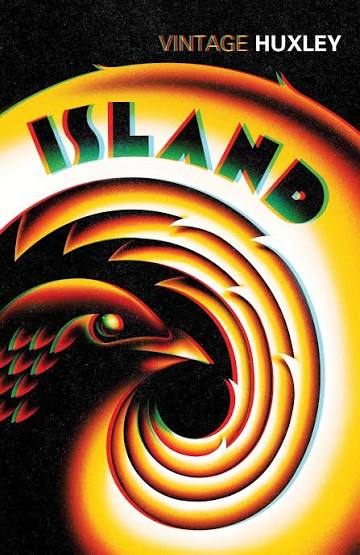
Rather than choosing between science and spirituality, Huxley spent his life searching for ways they might illuminate each other.
The Search Beyond Ordinary Consciousness
As Huxley grew older, his interests increasingly shifted from social criticism to the mysteries of consciousness.
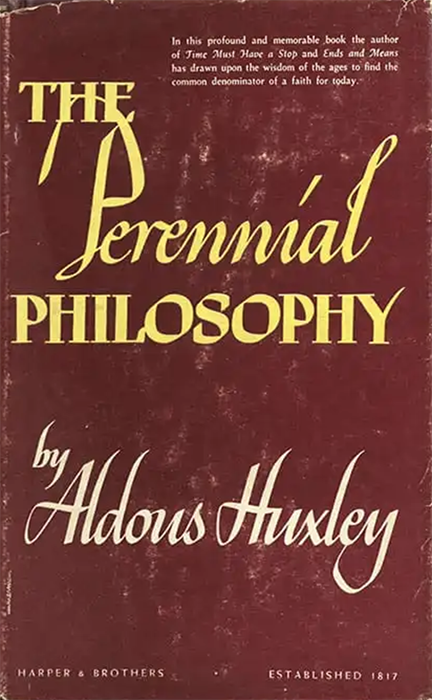
He immersed himself in the study of Hinduism, Buddhism, Christian mysticism, Sufism, and the writings of saints and philosophers from across cultures. This lifelong exploration culminated in The Perennial Philosophy, where he argued that the world's great spiritual traditions share a common insight beneath their outward differences.
For Huxley, mystical experiences were not irrational escapes from reality but profound encounters with it. He believed ordinary consciousness revealed only a narrow slice of existence, while deeper forms of awareness could transform how human beings understood themselves and the universe.
This conviction prepared him for one of the most controversial chapters of his life.
Mescaline and The Doors of Perception
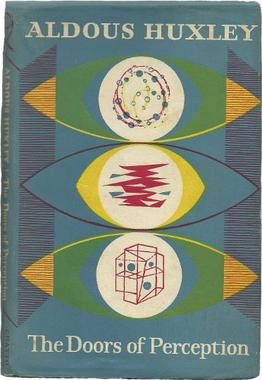
In 1953, under medical supervision, Huxley took mescaline, a naturally occurring psychedelic compound. The experience profoundly affected him.
Instead of describing hallucinations, Huxley wrote about an intensified awareness of everyday reality. Colours appeared richer. Objects seemed filled with extraordinary significance. Familiar surroundings revealed astonishing beauty that ordinary perception usually filtered out.
He documented these experiences in The Doors of Perception, one of the most influential books ever written about altered states of consciousness.
Borrowing the title from William Blake's famous line—"If the doors of perception were cleansed every thing would appear to man as it is, infinite"—Huxley argued that the human brain functions less as a creator of consciousness than as a filter, reducing the overwhelming richness of reality into something manageable for daily survival.
Whether readers agreed with his conclusions or not, the book had an enormous cultural impact. It influenced psychologists, philosophers, musicians, and later generations exploring the relationship between consciousness and creativity. Even the American rock band The Doors took its name from Huxley's book.
Importantly, Huxley never presented psychedelics as casual entertainment. For him, they were one possible tool—used carefully and responsibly—for investigating profound philosophical questions about perception and the nature of the mind.
Warning Against a Comfortable Tyranny
Ironically, while Huxley explored expanded states of consciousness, he also became increasingly concerned about societies that discouraged genuine thought altogether.
His warnings in Brave New World remain strikingly relevant. Rather than imagining dictators ruling through fear alone, Huxley envisioned populations willingly surrendering freedom in exchange for comfort, convenience, endless entertainment, and instant gratification.
He feared a future where people would become so distracted by pleasure that they would stop asking difficult questions about truth, individuality, or meaning.
This concern was deeply connected to his broader philosophical journey. Whether discussing politics, education, or spirituality, Huxley consistently argued that genuine freedom begins with awareness. A society incapable of reflection is just as vulnerable as an individual unwilling to examine their own mind.
A Legacy That Continues to Challenge Us
Aldous Huxley died on November 22, 1963, the same day that President John F Kennedy was assassinated, an event that largely overshadowed news of his passing. Yet his ideas have only grown more relevant with time.
Today, readers return to Huxley not only for his astonishingly accurate social predictions but also for his fearless curiosity. He refused to accept easy answers, whether offered by science, religion, politics, or culture. Instead, he spent his life asking how human beings perceive reality—and how that perception shapes every aspect of civilisation.
From the darkness of near-blindness to the altered perceptions inspired by mescaline, Huxley's extraordinary inner journey was ultimately a search for clearer vision. His greatest lesson may be that seeing is about far more than eyesight. It is about learning to question assumptions, remain intellectually open, and look beyond the surface of the world.
In an age overflowing with information but often short on reflection, Aldous Huxley continues to remind us that the most important frontiers are still the ones within our own minds.
Your next read: 8 Life Lessons from Daniel Defoe’s Robinson Crusoe That Still Apply Today