

Parent Categories


Related Products



Related Books


10 Classic Authors Who Had Absolutely Unhinged Personal Lives
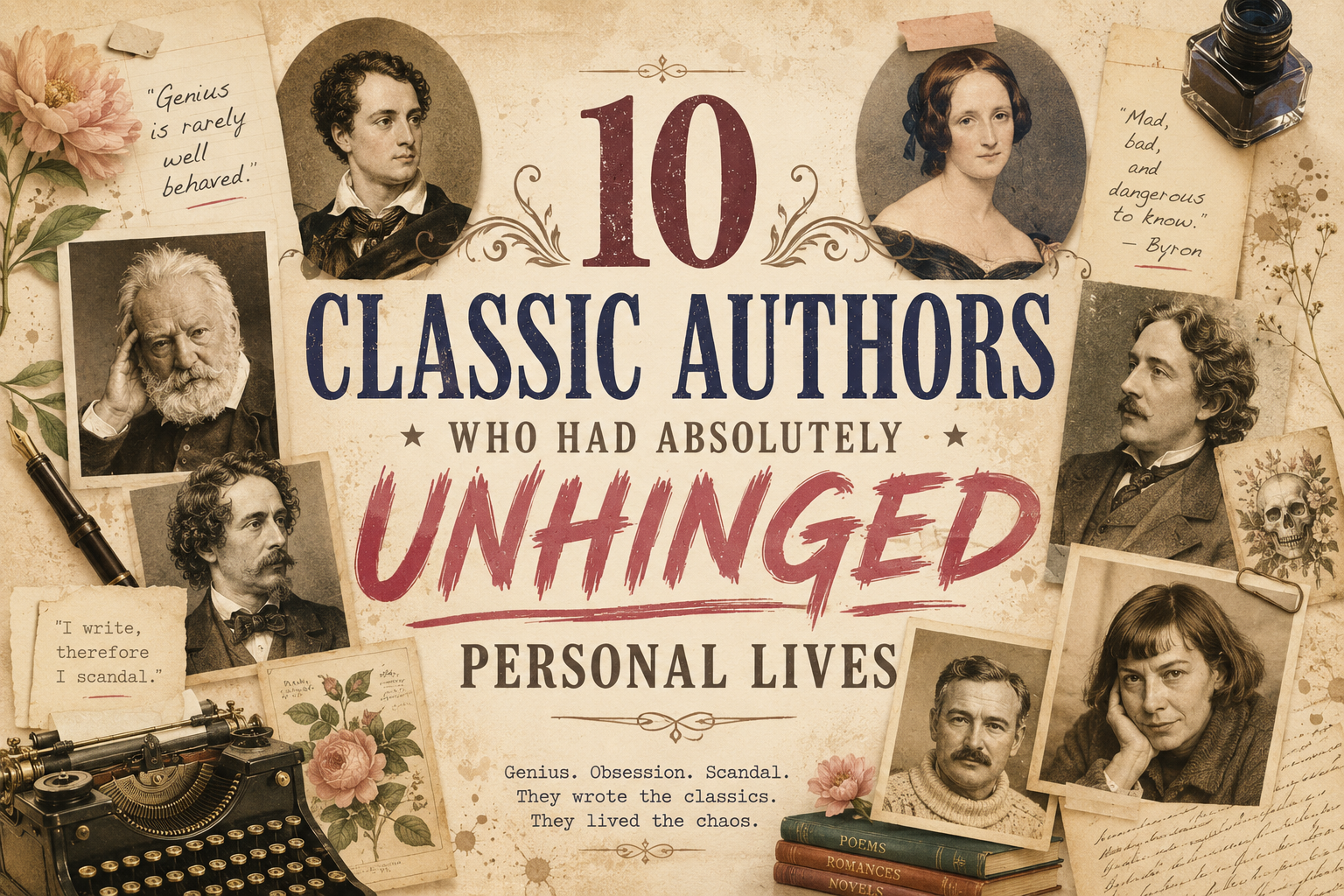 Unhinged Personal Lives
We live in a world of LinkedIn bios, morning routines, and carefully curated Instagram aesthetics. Even our chaos is scheduled. But step back a century or two, and the writers shaping literary history were out here making our worst days look like a productivity vlog.
Classic authors didn't just write about passion, obsession, and self-destruction. They lived it, loudly and without apology. From torrid love affairs to feuds that would break the internet, here are 10 legendary writers whose personal lives were anything but classic.
Also read: Rebels, Radicals, and Rule-Breakers: Fascinating Facts About Women Classic Authors
1. Victor Hugo
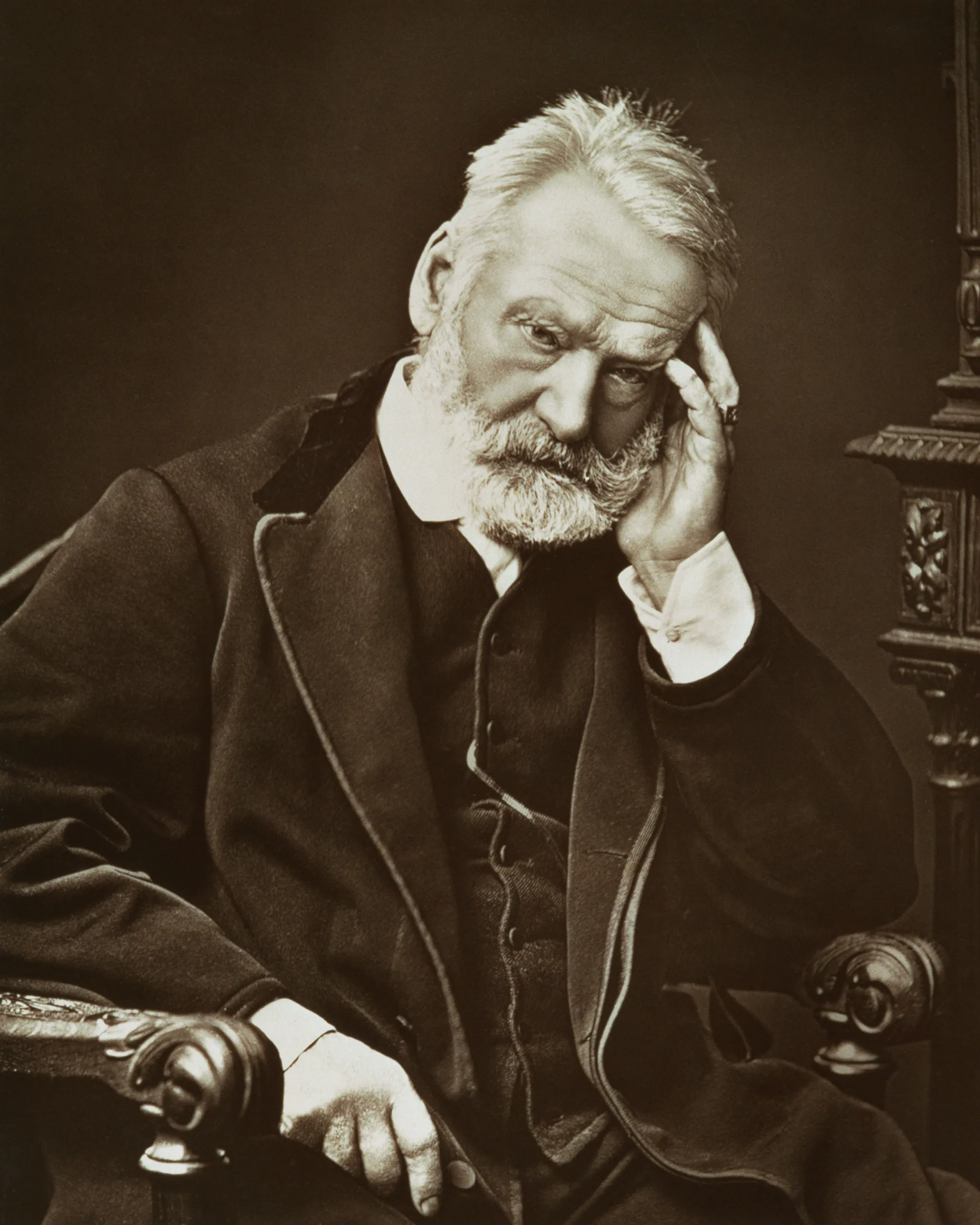
The man who wrote Les Misérables and The Hunchback of Notre-Dame lived a life that was, ironically, both deeply structured and completely unhinged. To start off, his writing methods were quite eccentric. To meet writing targets, Hugo would strip off all his clothes, hand them to his assistant with instructions to hide them, and write wrapped in nothing but a large shawl—productivity hacking at its most dramatic.
Off the desk, things got wilder. His name appeared regularly in the ledgers of Parisian brothels, which he visited with unapologetic frequency. He was married to Adèle Foucher for nearly 46 years, yet maintained a 50-year affair with actress Juliette Drouet, who wrote him over 20,000 letters—and she wasn't even his only mistress.
Even his farewell was unhinged. Paris' brothels reportedly shut down for a day of mourning following his death.
2. Charles Dickens
To the Victorian public, Charles Dickens was the ultimate family man—ten children, a celebrated marriage, and a moral champion of the poor. Rightfully so because of the hardships and poverty he faced in his childhood. But his life hid something darker.
When Dickens met 18-year-old actress Ellen Ternan in 1857, he was 45 and already one of England's most famous men. His infatuation was immediate and catastrophic. He divided the marital bedroom in two, then legally separated from his wife, Catherine, and when she didn't go quietly, he attempted to have her committed to a mental asylum.
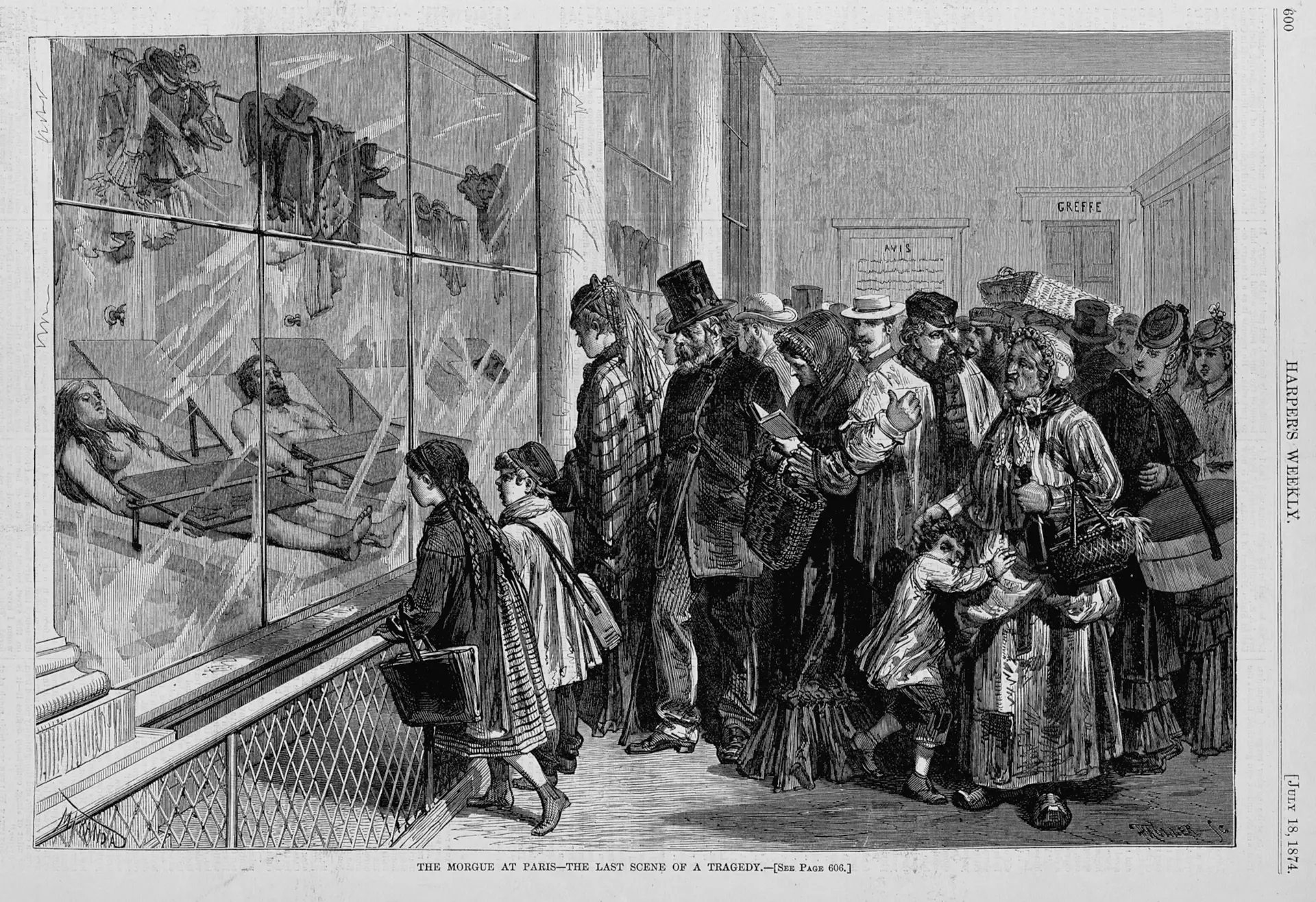
And that wasn’t the only unhinged part. Whenever he was in Paris, he used to visit the morgue to stare at the bodies of strangers on cold slabs. For inspiration, presumably.
3. Lord Byron

Lady Caroline Lamb once called Lord Byron “mad, bad, and dangerous to know”, and honestly, that might be underselling it. When Cambridge banned dogs on campus, Byron simply acquired a pet bear instead, noting that the rules made no mention of bears. At home, he used his ancestors' skulls as flowerpots.
His personal life was equally chaotic. His alleged obsession with his half-sister Augusta Leigh was one of the reasons he was forced to leave England and never returned. Hounded by the pressures of mounting debts and accusations of adultery, bisexuality, sodomy, and incest, he fled to the continent in 1816. The bear was probably the most stable relationship he ever had.
4. Mary Shelley
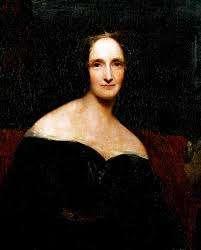
Mary Shelley didn't just write about gothic horror; she lived a version of it, repeatedly, without a break.
When Mary met Percy Shelley, she was sixteen, and he was twenty-one, already married with one child and another on the way. She eloped with him anyway, while Percy's wife was pregnant. In 1816, Percy's wife drowned herself in a river. Percy and Mary married three weeks after. Life did not slow down. In Italy, their first child died of dysentery, then their three-year-old son died of malaria. Then, Percy drowned at sea, aged 29.
And then, it got stranger. When Percy was cremated, his heart refused to burn. Reportedly, Mary kept it in a silken shroud and carried it with her for years. The woman literally wrote Frankenstein at 18. It tracks.
5. Jean Genet

Most authors research the dark side of life. Jean Genet simply lived there, and it stops being unhinged at one point. Born to a mother who was a prostitute, he was abandoned at seven months old and raised in foster care. By ten, he was stealing. By the age of fifteen, he was sent to the Mettray Penal Colony as a juvenile delinquent. He later joined the Foreign Legion, received a dishonourable discharge for being caught in a homosexual act, and spent years wandering Europe as a vagabond, petty thief, and prostitute.
In prison, he began writing his first novel on the paper bags inmates were given for occupational therapy. When guards discovered and confiscated the manuscript, he rewrote it from memory. That novel became Our Lady of the Flowers.
6. Charles Bukowski

If there was ever an author whose biography reads like his own worst novel, it's Bukowski.
His father beat him with a razor strop three times a week from the ages of six to eleven. His teenage years brought one of the worst cases of acne. He started drinking at thirteen and never really stopped.
At 24, he published his first short story, then quit writing for nearly a decade, choosing instead to live as an alcoholic. In 1955, doctors told him a bleeding ulcer had nearly killed him and that continuing to drink would be fatal. He fell off the wagon the day he left the hospital and never regretted it.
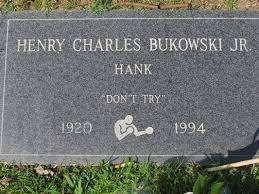
He did not become a full-time writer until he was 49, when he quit his job at the post office. He then wrote his first novel, Post Office. The ending of his life remains unhinged. The tombstone he chose for himself reads: "Don't Try".
7. Ernest Hemingway

Ernest Hemingway built a public image of bulletproof masculinity—war correspondent, big-game hunter, deep-sea fisherman. The private reality was considerably more fragile and considerably more chaotic.
Lifelong alcoholism. A string of serious accidents, including two plane crashes in Africa in 1954, left him with a cracked skull, ruptured liver and spleen, and two cracked discs—after which he drank even more heavily to manage the pain. He married four times between 1921 and 1961, often plunging immediately from one marriage to the next.
Seven of his close family members died by suicide, including his father, sister, and brother. The Hemingways called it “the curse.” The rest of us might call it a tragedy that nobody knew how to stop.
8. George Sand

In 19th-century Paris, women weren't permitted to wear trousers in public without a police permit. George Sand got the permit, kept the trousers, added a cigar, and proceeded to live however she liked, which was considerably more than most people could handle.
Born Amantine Dupin, she wore men's clothing and smoked publicly, which allowed her to move through Paris with a freedom denied to most women. She separated from her husband, took a male pen name, and embarked on a string of high-profile love affairs that became Parisian legend. Her lovers included poet Alfred de Musset, composer Frédéric Chopin, and several others across literature, politics, and the arts.
9. Edgar Allan Poe
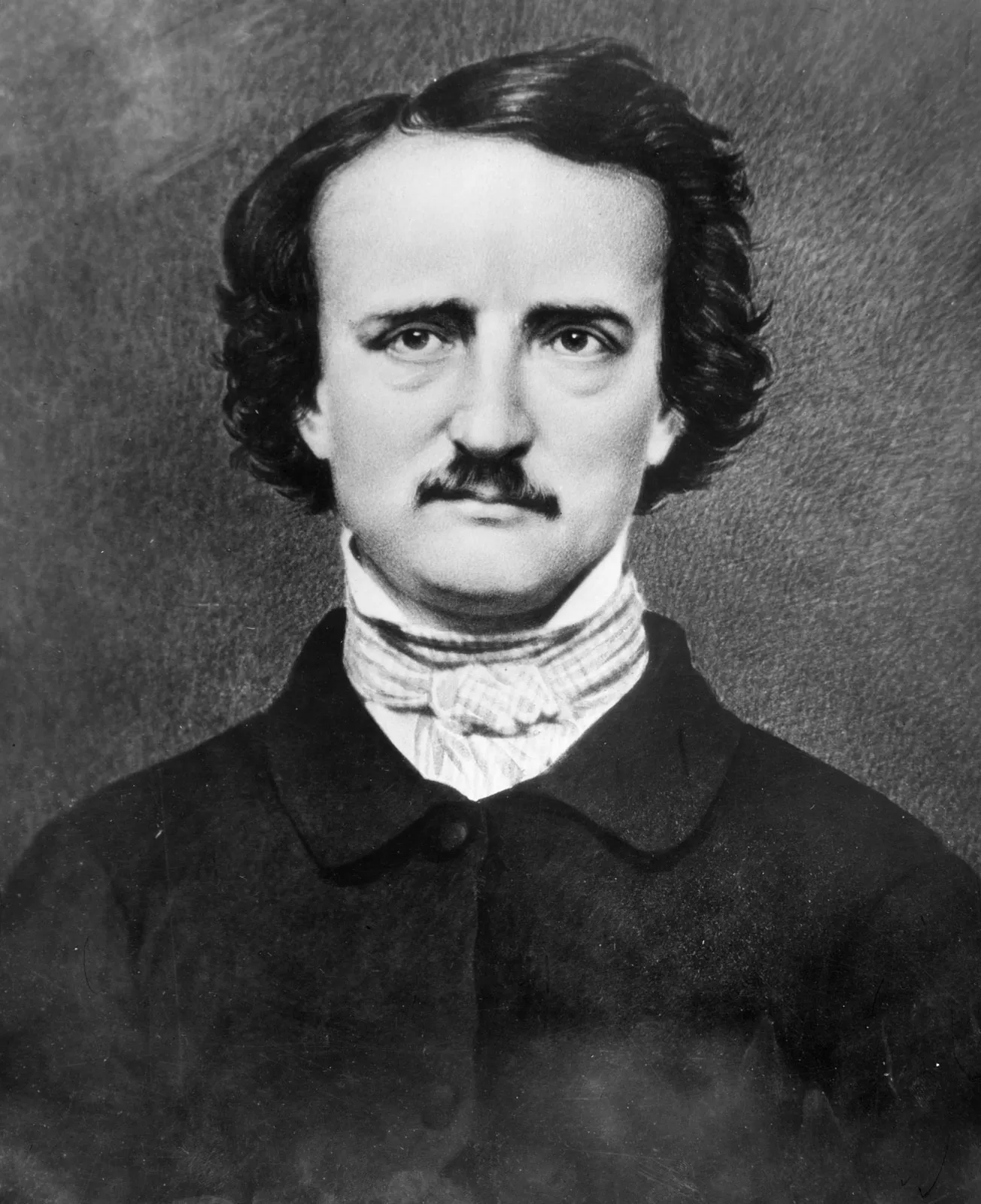
If you've read Poe's work and thought, “This man is not okay”, you are correct. The father of gothic fiction and the modern detective story, Poe's personal life was as dark as anything he put on the page.
At 27, he married his 13-year-old first cousin, Virginia Clemm. On their marriage certificate, Virginia claimed to be 21. She was not. When she died of tuberculosis, it destroyed him. He later wrote: He later wrote: “I became insane, with long intervals of horrible sanity.”
10. Patricia Highsmith

Patricia Highsmith's mother told her she had drunk turpentine while pregnant, hoping to lose the baby. That was the warm-up act.
She wrote in her diary at 21: "The morbid, the cruel, the abnormal fascinates me." She meant it professionally and personally. After briefly meeting a glamorous woman at her Bloomingdale's shift, Highsmith memorised her address and, more than a year later, travelled hours to her street in New Jersey just to watch her house. She wrote in her diary: “Murder is a kind of making love, a kind of possessing.”
As she got older, the eccentricities escalated. She carried hundreds of snails to parties on a lettuce leaf in her handbag, ate chunks of raw meat, deliberately set her hair alight at the dinner table, and threw a dead rat at a guest through an open window.
The Chaos Behind The Classics
These ten authors lived lives that were, by any measure, complicated, marked by obsession, self-destruction, cruelty, and in many cases, genuine harm to the people around them. None of it was romantic, and none of it should be.
They existed in full contradiction, capable of extraordinary literary empathy and remarkable personal dysfunction, sometimes simultaneously. The same man who wrote movingly about justice tried to have his wife committed. The woman who penned one of literature's first hopeful lesbian love stories stalked a stranger across state lines.
Their lives don't explain their genius, and their genius doesn't excuse their lives. But they do remind us that great literature has rarely come from anywhere tidy and that the humans behind the books were, above all else, just that. Human. Messy, flawed, and very much unresolved.
Your next read: Plot Twist: 10 Surprising Facts About Classic Authors