

Parent Categories

Related blogs


Related Products


Related Books
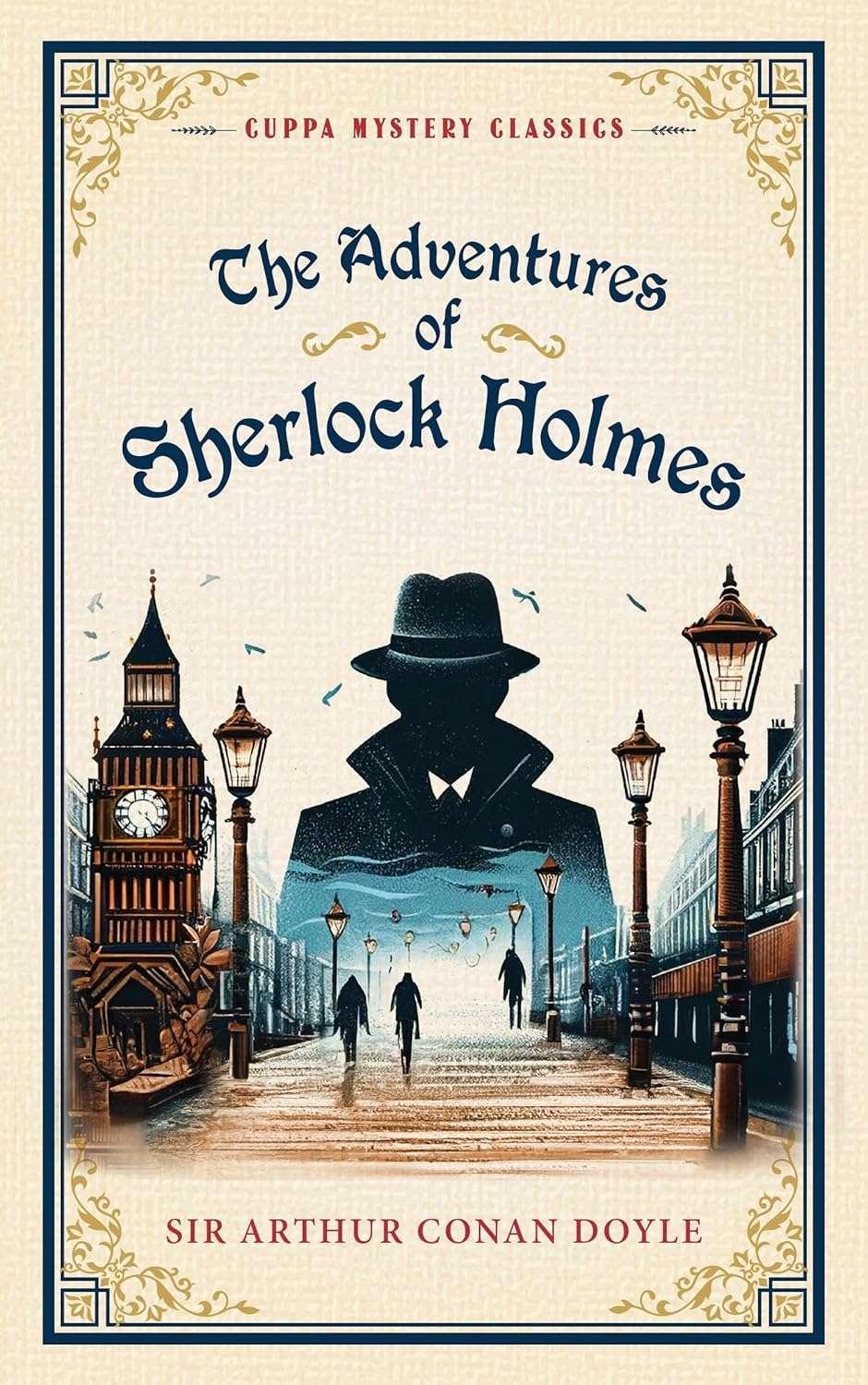

Elementary, Dear Reader: 7 Things You Never Knew About Arthur Conan Doyle
 Arthur Conan Doyle
Pour yourself something warm, because this one's full of surprises. Arthur Conan Doyle is one of literature's most recognisable names. The man who gave the world Sherlock Holmes, fog-drenched Baker Street, and the immortal art of deduction. But here's the twist even Holmes might have missed: Doyle himself was far stranger, more complex, and more fascinating than his fictional detective ever was.
From his complicated feelings about the character to a life packed with adventure, obsession, and controversy, the real Doyle is a mystery worth cracking open. Settle in, dear reader. The game is afoot.
Also read: Top 5 Classic Literary Friendships Like Holmes & Huck Finn
1. Arthur Conan Doyle Was a Qualified Doctor
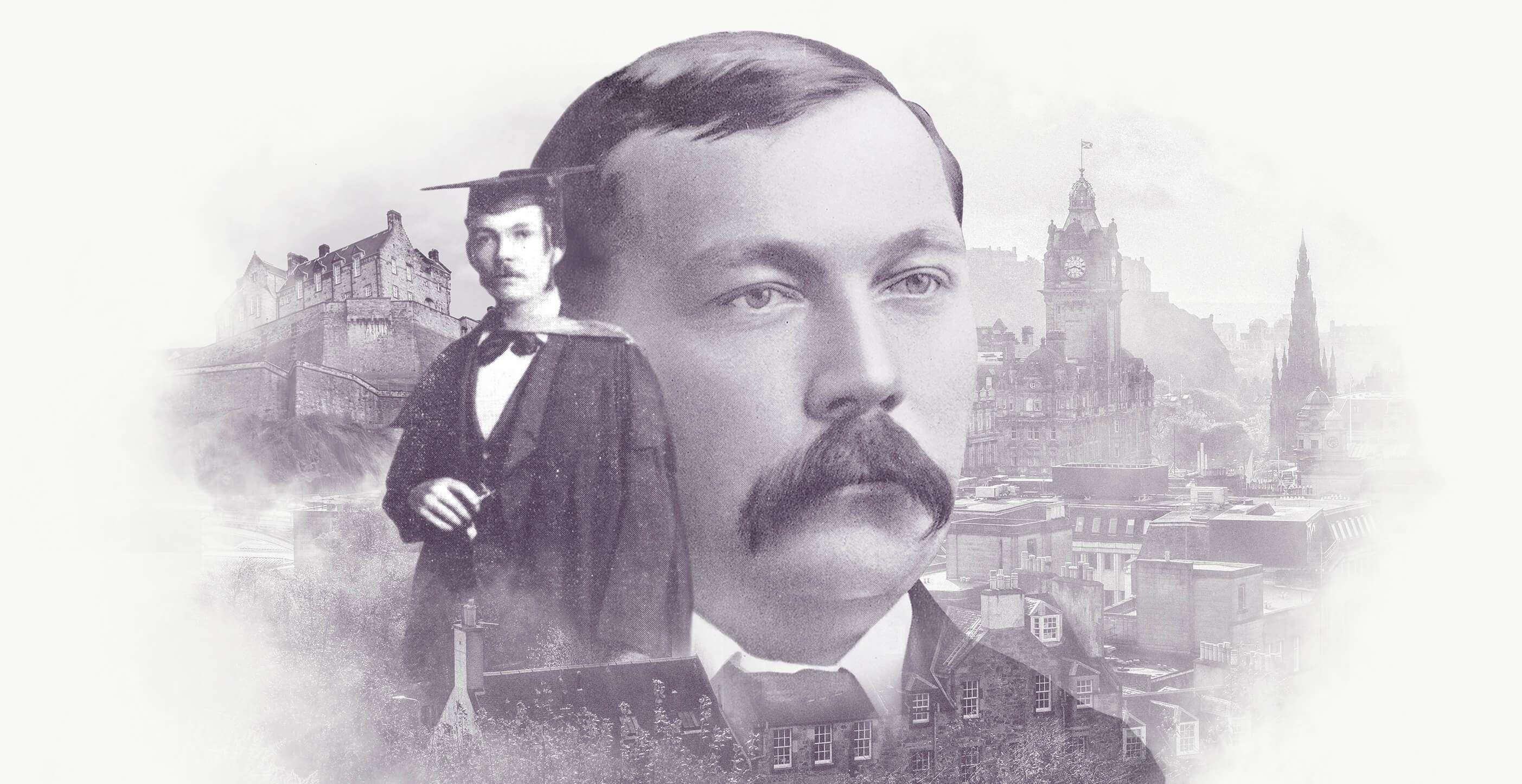
There's a pleasing irony in the fact that the man who created fiction's greatest logician was himself trained in the science of the human body. Doyle studied medicine at Edinburgh and qualified as a doctor in 1881. The habits of clinical observation he developed there never left him. Holmes's famous deductive leaps owe as much to the consulting room as they do to the study, and Doyle knew it.
2. Sherlock Holmes Was Inspired by a Real Person
 [Image Credit: The Arthur Conan Doyle Encyclopedia]
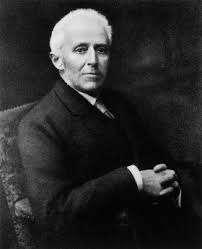
Before A Study in Scarlet introduced Sherlock Holmes to the world, the seeds of the great detective were already growing in an Edinburgh lecture hall. Doyle's professor, Dr Joseph Bell, was no ordinary physician. Using his powers of observation and deduction, he could diagnose patients with remarkable accuracy, even before they described their symptoms.
Doyle watched, took notes, and never forgot. When it came time to create the world's most famous detective, he didn't have to look far. Bell was sharp, theatrical, and precise—Holmes in all but name. Doyle even wrote to Bell directly, telling him: “It is most certainly to you that I owe Sherlock Holmes.”
Buy here: A Study in Scarlet
3. He Grew Resentful of Sherlock Holmes
Imagine creating the most beloved character in literary history and absolutely despising him for it. That was Doyle's reality. Holmes was a runaway success, which sounds wonderful until you realise Doyle had other things he actually wanted to write. Historical epics. Serious fiction. Work he considered worthy of his talents. Instead, the world kept knocking on his door, asking for one more mystery.

So in 1893, he did what any exhausted author might dream of—he killed his hero off in The Final Problem. It didn't stick, of course. Public outrage and grief eventually brought Holmes back.
4. He Spent a Fortune Trying to Prove Fairies Were Real
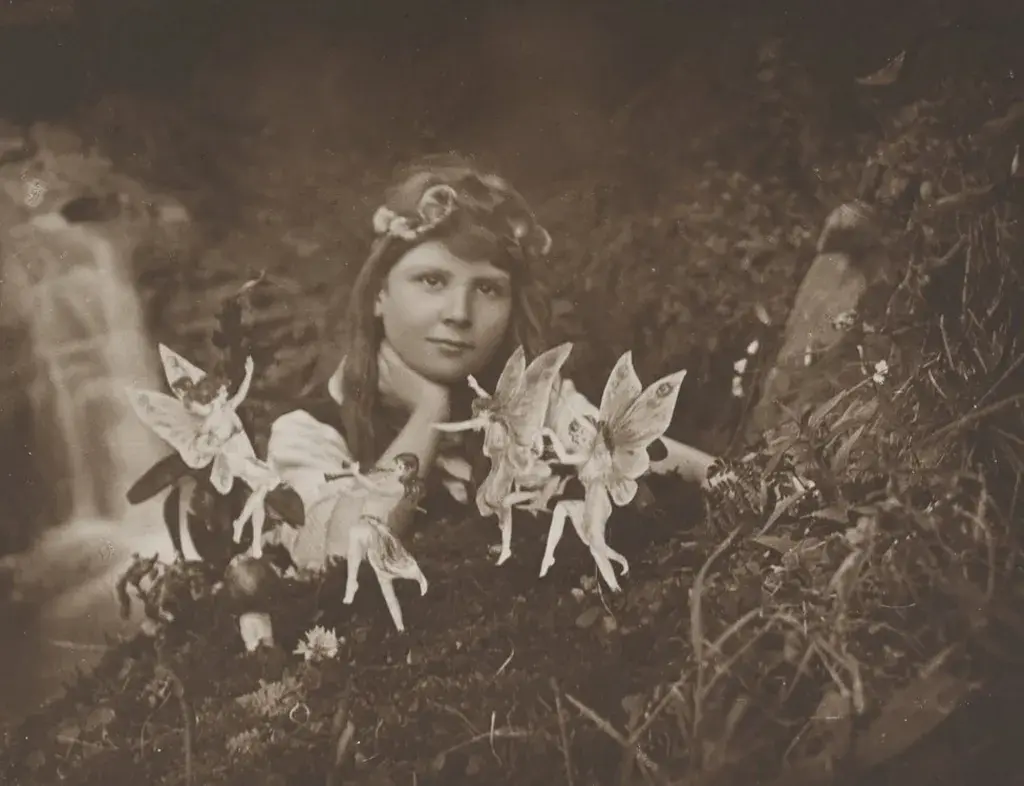
The man who invented Sherlock Holmes, the master of logic, enemy of superstition, once spent a small fortune trying to prove fairies were real. Let that sink in.
When two Yorkshire girls produced photographs of what appeared to be tiny winged creatures in their garden, the world's most famous rationalist went all in. Doyle wrote about it and defended it when most people had raised an eyebrow and quietly moved on. The photos were eventually revealed to be paper cutouts propped up with hatpins. The girls had been children having a bit of fun.
5. He Was Friends with Famous Authors
 [Image Credit: The Guardian]
Doyle moved through the literary world of his era like a man who knew everybody. He counted Oscar Wilde among his friends, the two men having met at a dinner in 1889 that reportedly inspired both of them. He was also close with JM Barrie, the man who gave us Peter Pan, and the two even played cricket together on the same amateur team.
His friendship with Houdini is perhaps the most fascinating of all: two men came together by a shared interest in spiritualism, but it was also spiritualism that destroyed this unlikely friendship. Houdini, the great debunker of illusions, spent years trying to gently steer Doyle away from his spiritualist beliefs.
6. He Was Knighted in 1902
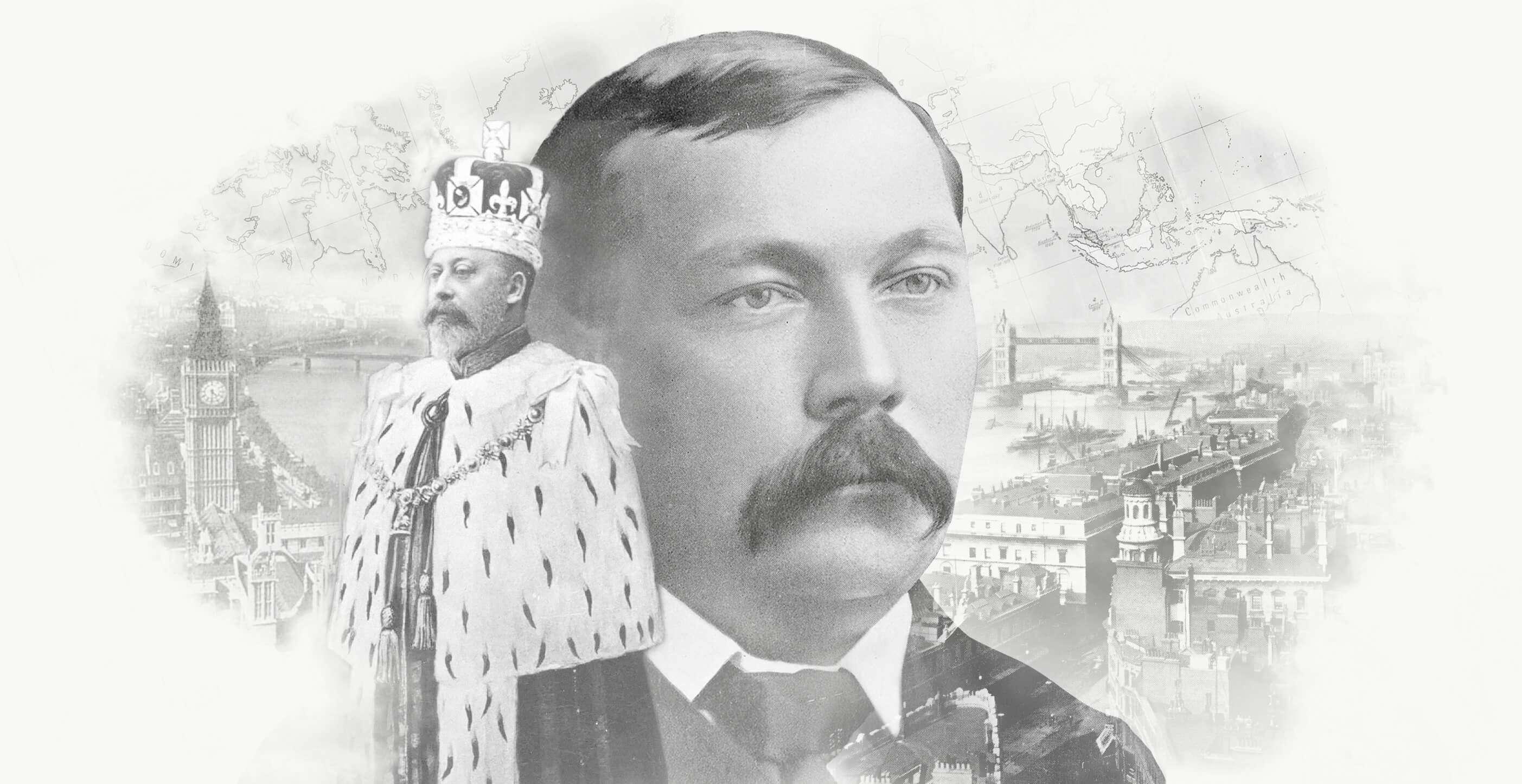
In 1902, Arthur Conan Doyle received one of Britain's highest honours—a knighthood, bestowed by King Edward VII. He became Sir Arthur Conan Doyle, which has a satisfying ring to it. Interestingly, the knighthood wasn't awarded for Sherlock Holmes at all. It was recognition for an essay Doyle had written defending Britain's conduct during the Boer War, a conflict that had drawn sharp international criticism.
7. His Romantic Last Words
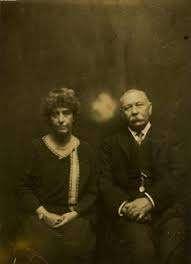
There is a certain poetic justice in how Doyle chose to leave the world. A life so publicly defined by logic, mystery, and relentless intellectual energy ended not with a deduction, but with a gesture of pure feeling. On 7th July 1930, with his wife Jean at his side, he pressed a flower into her hand and told her she was wonderful. Moments after he died, because of a heart attack. Elementary, perhaps. But rather lovely all the same.
Beyond Baker Street
Great writers have a habit of outrunning their own reputations. Doyle spent a lifetime trying to be more than Holmes and in the end, he was. He was a man of medicine and mystery, of reason and remarkable faith, of public ambition and private tenderness. The seven things gathered here barely scratch the surface of a life that was, by any measure, extraordinarily well lived. Holmes may be immortal. But the man who dreamed him up deserves a second look. Pour another cup, dear reader. There's always more to discover.
Your next read: Plot Twist: 10 Surprising Facts About Classic Authors