

Parent Categories

Related blogs



Related Products




Related Books
National Book Lovers Day: 9 Classic Novels Under 200 Pages for a Slow Reading Day
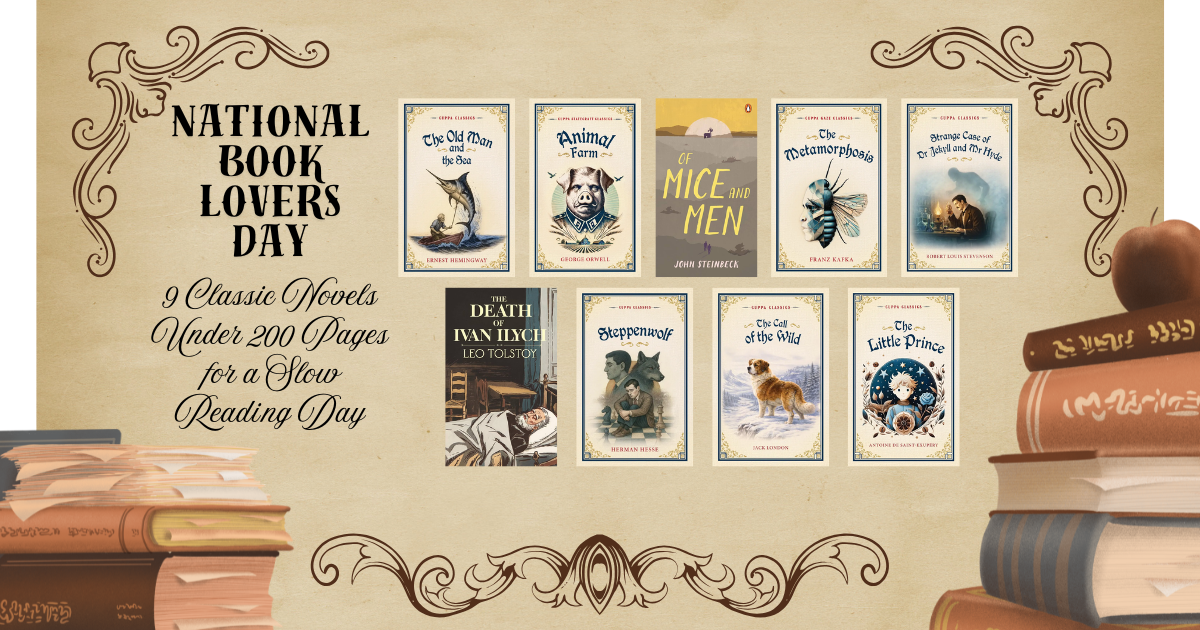 National Book Lovers Day
National Book Lovers Day is often celebrated with ambitious reading lists and towering novels that promise weeks of literary immersion. But sometimes, the greatest reading experiences come in surprisingly slim volumes. A book doesn't need hundreds of pages to leave a lifelong impression. In fact, some of literature's most enduring stories are brief enough to finish in an afternoon yet profound enough to stay with you for years.
There's also something fitting about slowing down with a shorter classic. Instead of rushing through chapters to reach the end, you can savour every page, pause over memorable passages, and let the story linger. These books remind us that reading isn't a race—it's a conversation between the writer and the reader.
If you're celebrating National Book Lovers Day with a quiet afternoon, a warm cup of tea, and uninterrupted reading time, here are nine classic novels under 200 pages that prove literary brilliance often comes in compact packages.
Also read: 6 Lord Alfred Tennyson Lines You've Heard Without Knowing It
1. The Old Man and the Sea by Ernest Hemingway

Ernest Hemingway's final major work published during his lifetime, The Old Man and the Sea, is deceptively simple. It tells the story of Santiago, an ageing Cuban fisherman who has gone 84 days without catching a fish before embarking on one last journey into the Gulf Stream.
Beneath its straightforward plot lies a profound meditation on perseverance, dignity, and the human spirit. Hemingway's famously economical prose allows every sentence to carry emotional weight. It is a novel about resilience in the face of inevitable loss, reminding readers that true victory often lies not in success but in refusing to surrender.
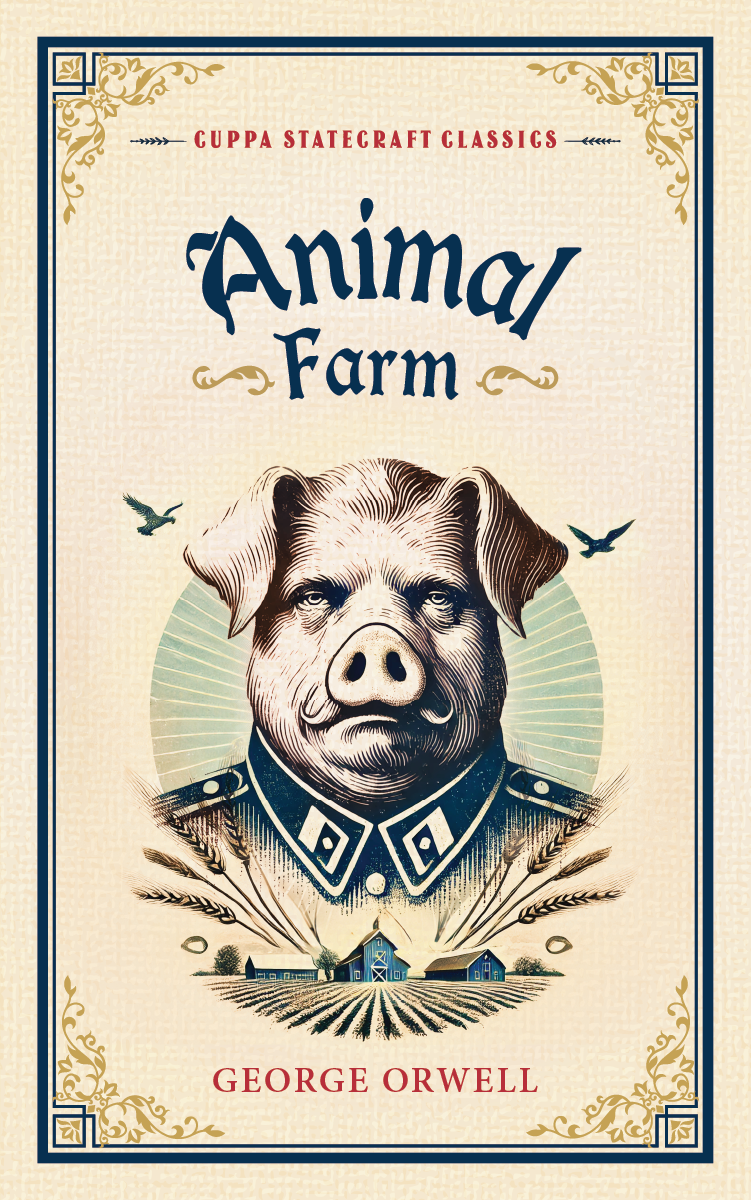
2. Animal Farm by George Orwell
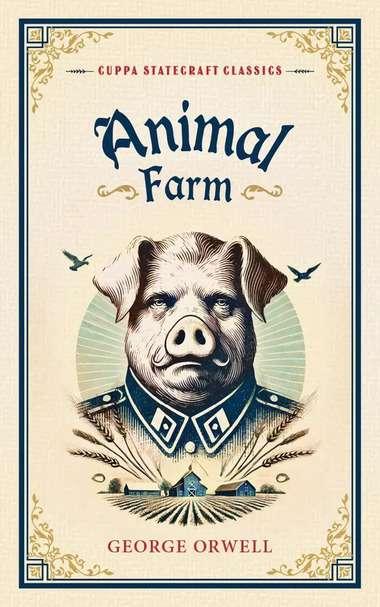
Few political allegories have remained as relevant as Animal Farm. Through the story of farm animals overthrowing their human owner, George Orwell explores how revolutions can gradually reproduce the very systems they sought to destroy.
Its accessible language makes it an ideal introduction to classic literature, yet each rereading reveals new layers of political insight. Despite its brevity, Orwell's satire continues to provoke discussions about power, propaganda, and the fragile nature of freedom.
3. Of Mice and Men by John Steinbeck
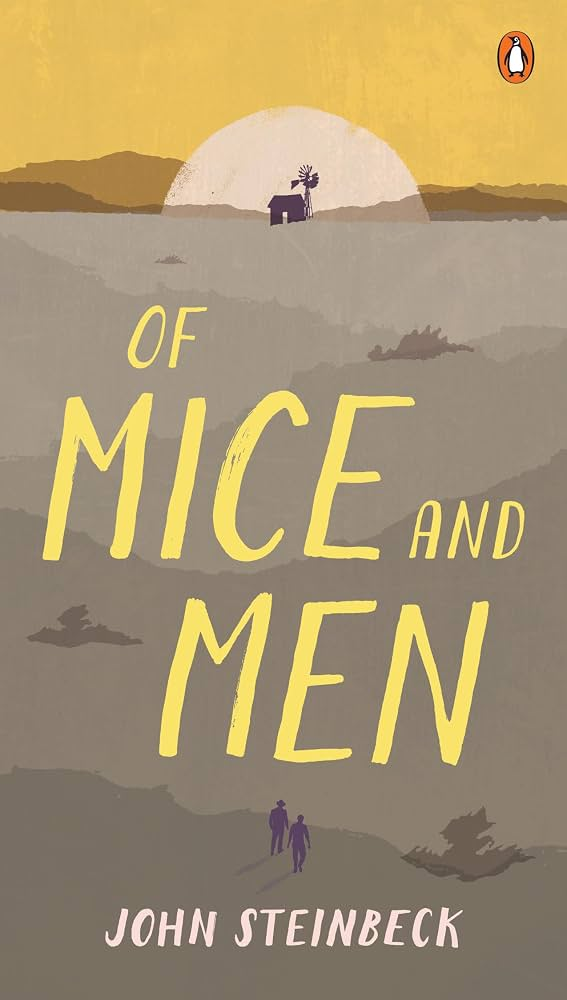
John Steinbeck's heartbreaking novella follows two migrant workers, George Milton and Lennie Small, during the Great Depression as they dream of owning a small piece of land.
Of Mice and Men unfolds with remarkable emotional restraint, making its conclusion all the more devastating. Steinbeck examines friendship, loneliness, disability, and shattered dreams without ever becoming sentimental. It is one of those rare books that can be read in a single sitting but requires much longer to fully absorb.
4. The Metamorphosis by Franz Kafka

One ordinary morning, travelling salesman Gregor Samsa wakes up transformed into a gigantic insect. With this unforgettable opening, Franz Kafka launches one of literature's most unsettling explorations of alienation.
The physical transformation quickly becomes secondary to the emotional distance growing between Gregor and his family. Questions about identity, obligation, and self-worth emerge naturally, making The Metamorphosis feel surprisingly modern despite being published in 1915. Few books demonstrate so powerfully how speculative fiction can illuminate everyday human anxieties.
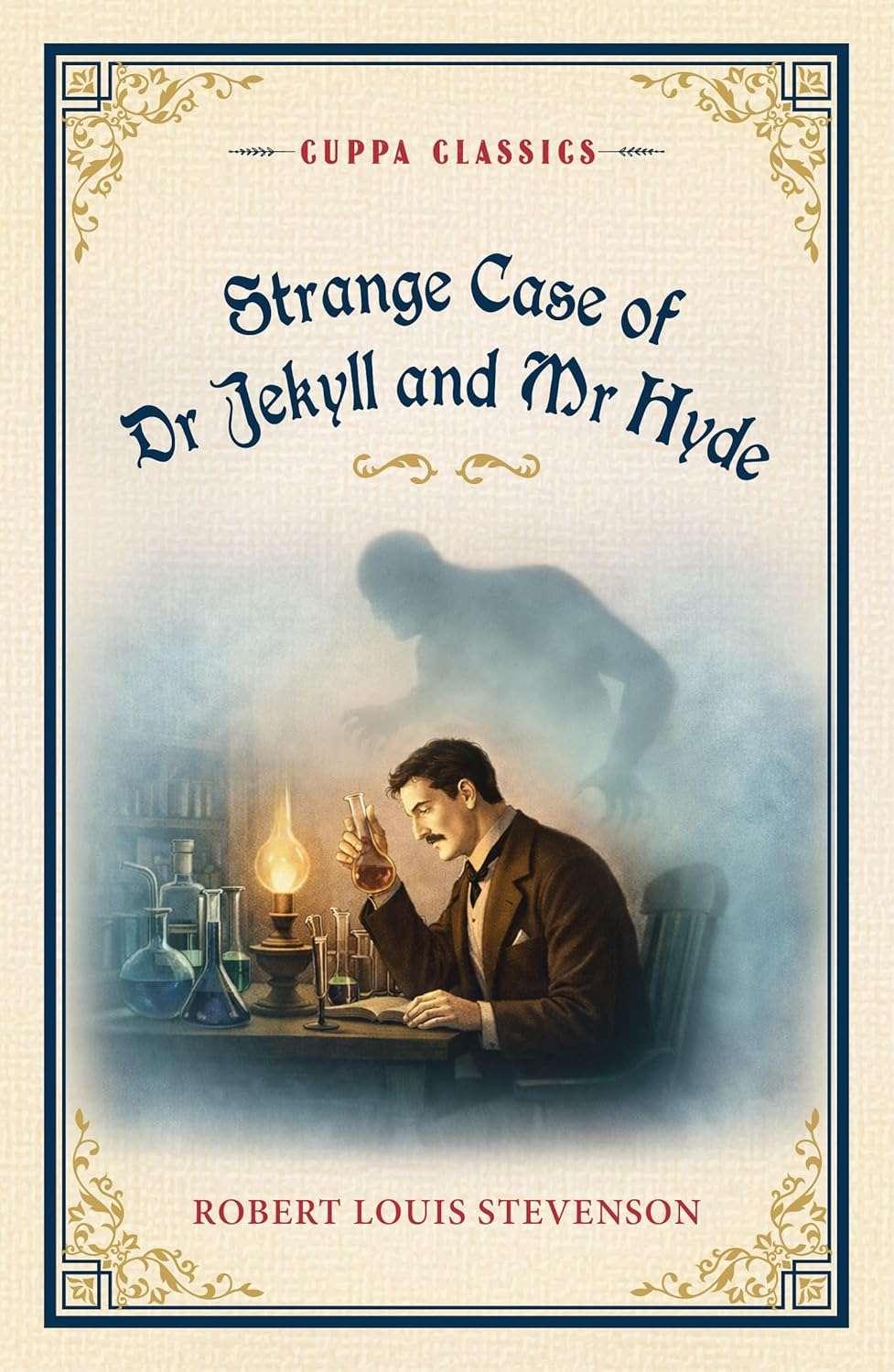
5. The Strange Case of Dr Jekyll and Mr Hyde by Robert Louis Stevenson

Long before psychological thrillers became popular, Robert Louis Stevenson gave readers one of fiction's greatest explorations of humanity's divided nature.
Dr. Henry Jekyll's experiment that unleashes the sinister Edward Hyde has become part of popular culture, but reading the original novel reveals far greater psychological depth than its many adaptations. Beneath the Gothic atmosphere of The Strange Case of Dr Jekyll and Mr Hyde lies a timeless examination of morality, temptation, and the hidden contradictions within every individual.
6. The Death of Ivan Ilyich by Leo Tolstoy
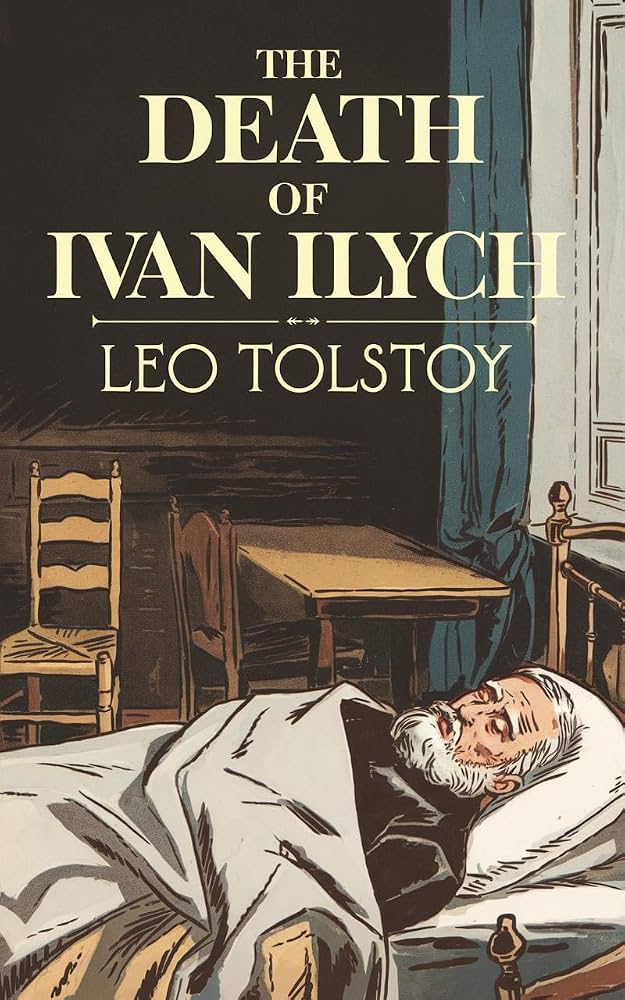
Leo Tolstoy compresses an extraordinary amount of philosophical insight into fewer than a hundred pages. The story follows Ivan Ilyich, a respected judge whose terminal illness forces him to confront the emptiness of the respectable life he has carefully constructed.
Rather than dwelling solely on mortality, Tolstoy asks what it truly means to live authentically. It is an emotionally demanding read, but also an unexpectedly life-affirming one that encourages readers to reconsider their own priorities long before life's final moments.
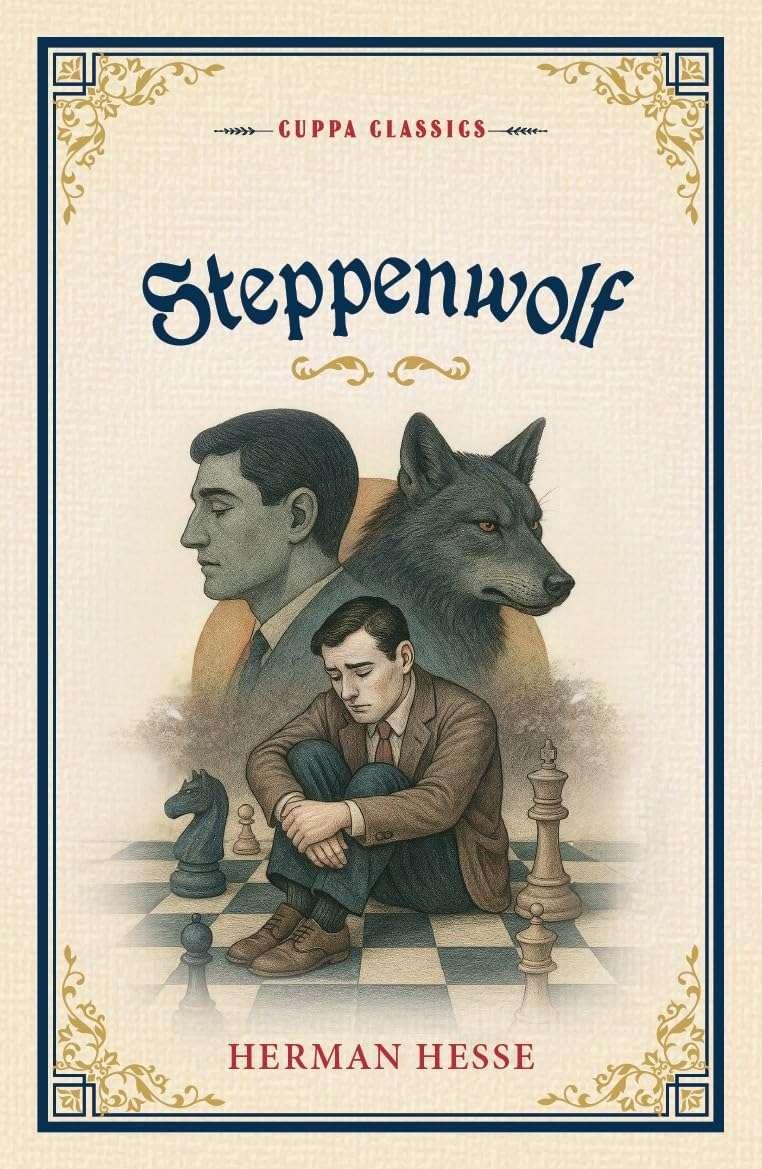
7. Steppenwolf by Hermann Hesse
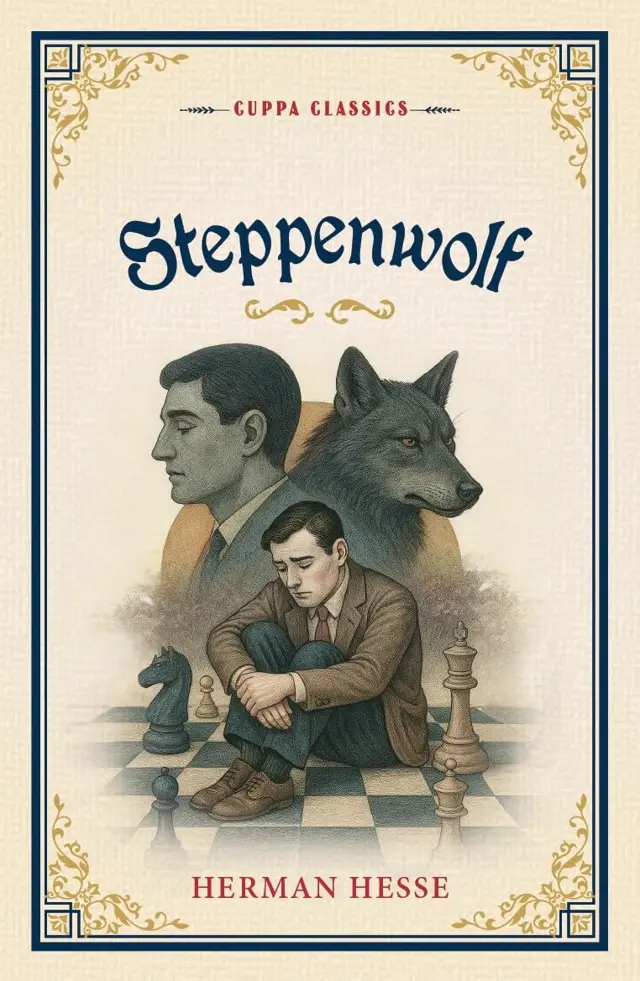
Hermann Hesse's Steppenwolf is a deeply introspective novel that explores identity, isolation, and the struggle between our opposing selves. The story follows Harry Haller, a lonely intellectual who feels torn between his civilized human side and the untamed "wolf" within him.
Far more than a tale of personal crisis, the novel examines the complexities of modern existence, questioning rigid ideas about personality, happiness, and belonging. Hesse blends philosophy, psychology, and surrealism into a narrative that rewards slow, thoughtful reading. Though concise, Steppenwolf offers a remarkably rich exploration of what it means to confront one's inner contradictions, making it an ideal classic for readers looking for a reflective National Book Lovers Day read.
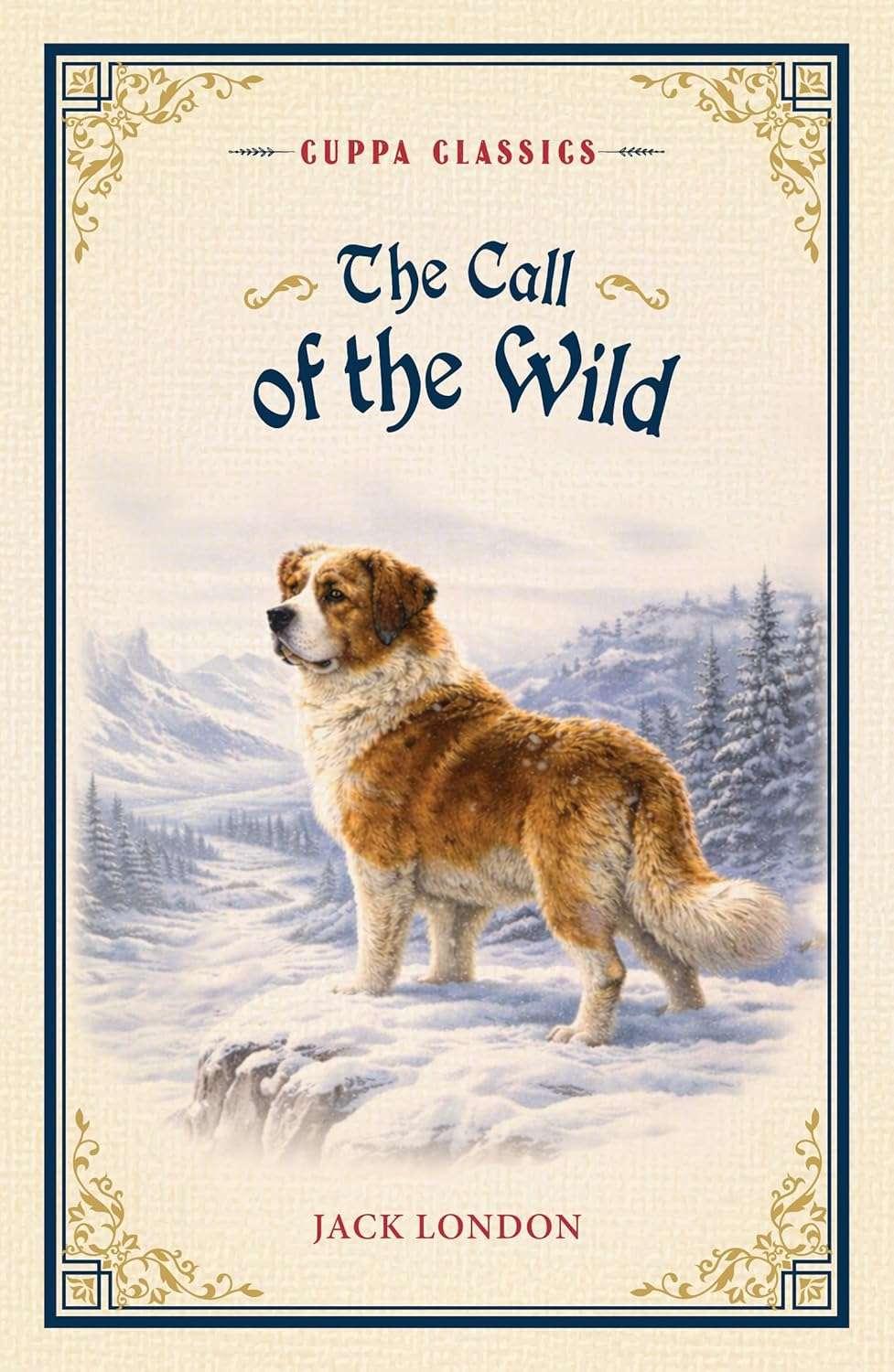
8. The Call of the Wild by Jack London
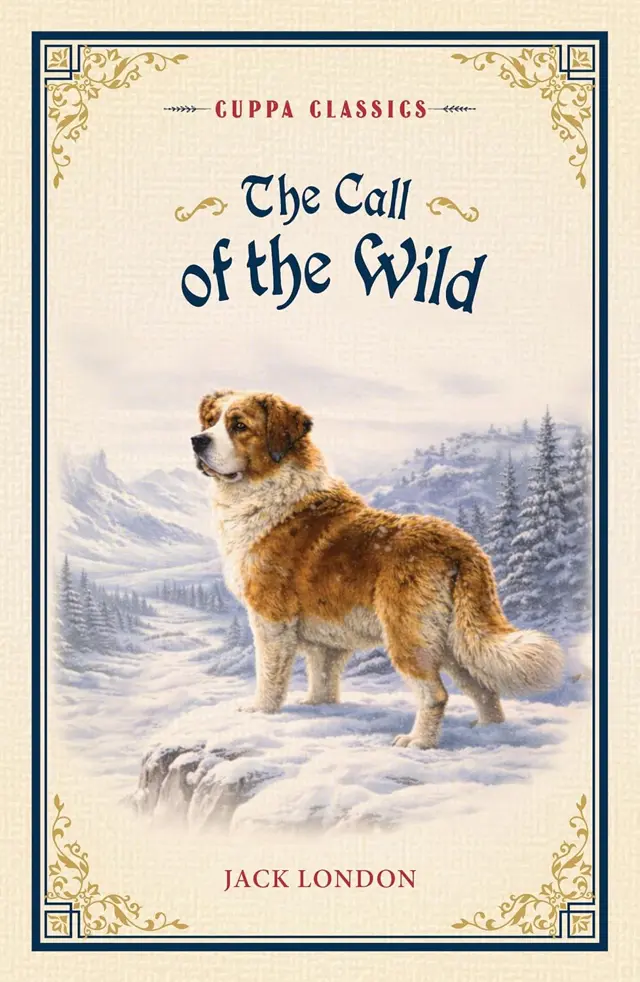
Set during the Klondike Gold Rush, Jack London's adventure follows Buck, a domesticated dog stolen from his comfortable California home and thrust into the harsh wilderness of the Yukon.
While Buck's physical journey is gripping, the novel's deeper themes concern survival, instinct, and humanity's relationship with nature. London's vivid descriptions and fast-paced storytelling make The Call of the Wild an ideal classic for readers seeking both excitement and philosophical reflection.
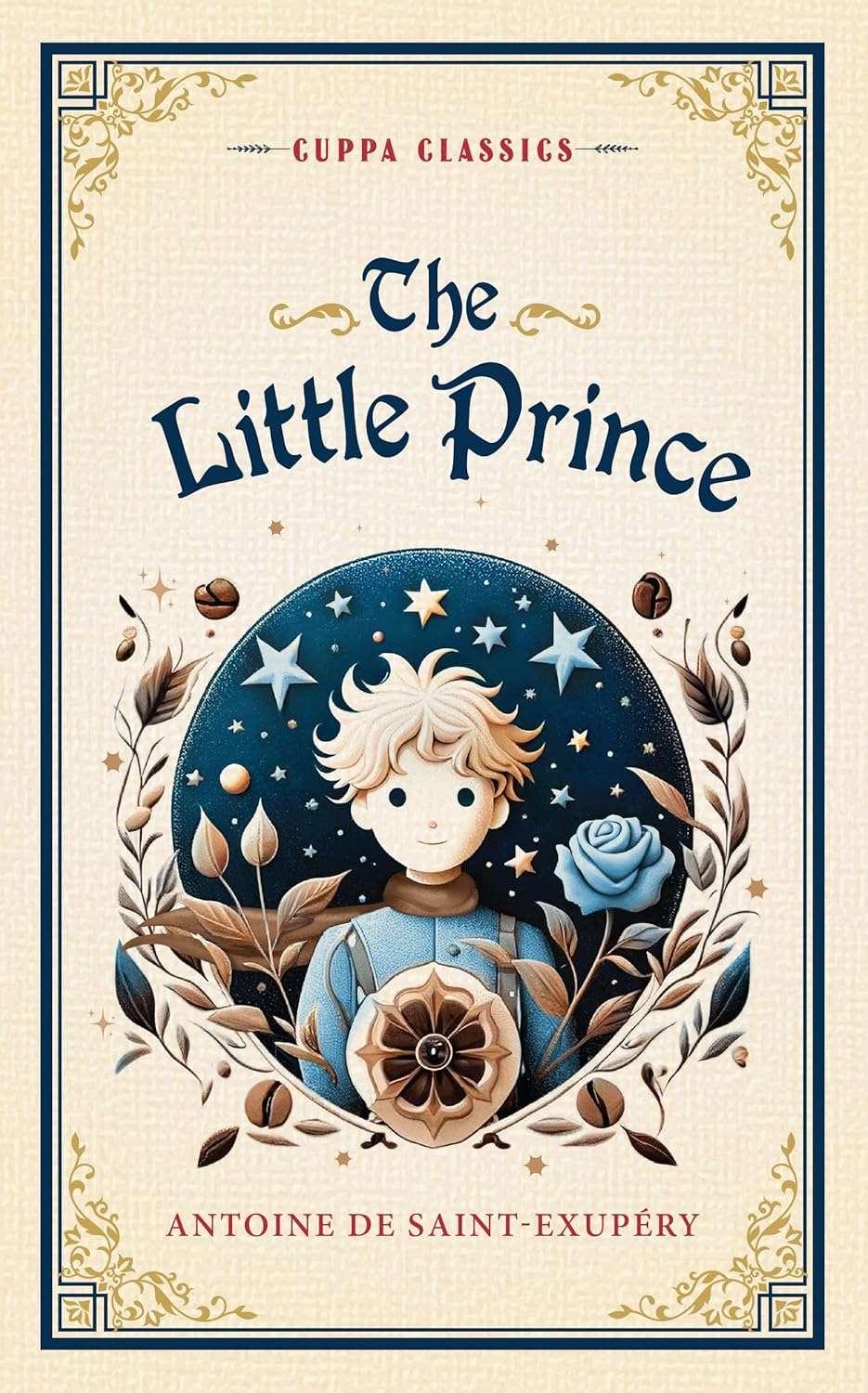
9. The Little Prince by Antoine de Saint-Exupéry
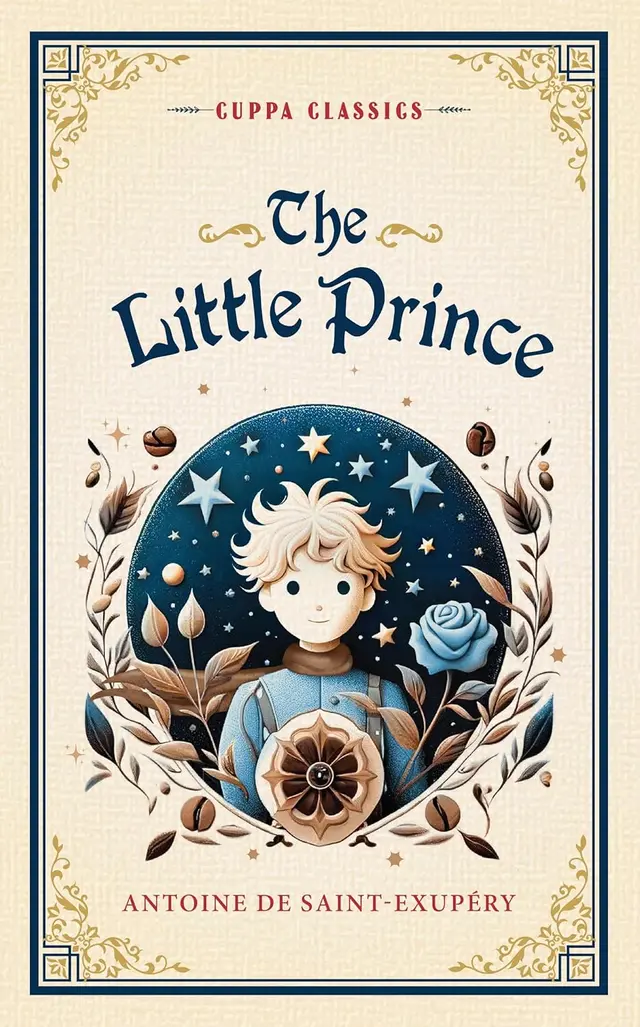
At first glance, The Little Prince appears to be a children's story. In reality, it is one of the most profound philosophical works ever written for readers of all ages.
Through encounters with eccentric adults across different planets, Antoine de Saint-Exupéry gently critiques vanity, materialism, and the loss of childhood wonder. Its famous observation—that what is essential is invisible to the eye—continues to resonate because it speaks to universal truths about love, friendship, and imagination.
Sometimes the Smallest Books Stay with Us the Longest
There is a quiet pleasure in finishing a book without feeling hurried. These classics remind us that literary greatness isn't measured by page count but by emotional depth, memorable characters, and ideas that continue echoing long after the final sentence.
On National Book Lovers Day, resist the urge to race through your reading list. Pick up one of these beautifully concise classics, settle into your favourite chair, and allow yourself the luxury of reading slowly. You may finish the book before sunset—but chances are, you'll be thinking about it long after the day is over.
Your next read: 5 Reasons Flowers for Algernon by Daniel Keyes Still Breaks Readers' Hearts