
Parent Categories



Related Products



Related Books


10 William Shakespeare Quotes That Still Hit Hard
 William Shakespeare Quotes
Bedroom, birthplace, bump, critic, dawn, eyeball, fixture—and more than 1,700 other words—did not exist before the world witnessed the birth of the literary genius William Shakespeare. Not only did he help shape the English language, but he also left behind 38 plays, 154 sonnets, and a legacy no one has ever been able to replicate.
William Shakespeare was born in Stratford-upon-Avon in April 1564. Here’s a fun detail worth knowing: no one actually knows his exact birth date because it was never recorded. April 23 is widely celebrated as his birthday simply because records show he was baptised on April 26, and at the time, baptisms typically took place three days after birth. Yet more than 460 years later, we are still reading him in classrooms, staging him in parks, and quoting him in our love confessions.
Today, on his birthday, we’re raising a cuppa to the Bard. Here are ten of his quotes that haven’t aged a day.
1. The Moment Desire Becomes Dangerous

This line comes straight from Macbeth, and honestly—it’s Shakespeare at his darkest and most dramatic. Spoken by Macbeth himself, it’s basically a poetic way of saying: “I’m about to do something terrible… and I don’t even want to look at it.” He’s torn between ambition and guilt, already imagining the horror of his own actions before they happen. Spoiler: that never ends well.
2. Be True to Yourself, but in Shakespeare’s Words

Self-help shelves have been trying to say this for decades. Motivational speakers have built entire careers around it. And yet, William Shakespeare got there first—in 1600—and did it in just three lines in his longest play, Hamlet.
Spoken by Polonius, the court councillor (who, ironically, isn’t exactly the most trustworthy character himself), to his son, this golden piece of advice still lands—and remains just as relevant today. In a world full of curated personas and people-pleasing, Shakespeare basically said: stay true to yourself, and stick to it. Everything else falls into place from there.
3. The Mismatch Between Rationale & Love

Not exactly trying to be profound, this line from A Midsummer Night’s Dream lands on a truth that remains unchanged: love and logic rarely move in sync. The play leans fully into that idea—spiralling through chaos, confusion, and wildly questionable romantic choices that feel suspiciously familiar. Strip away the fairy magic, and it’s basically the modern dating scene, just with better dialogue.
Buy here: A Midsummer Night’s Dream
4. Suffering Is Not a Solo Performance

This quote from As You Like It remains a 400-year-old reminder that your suffering is not a solo performance. It is Shakespeare’s way of saying that the world has always been full of people in the middle of their own difficult acts, stumbling through scenes they didn't audition for. Shakespeare frames life as a “universal theatre,” where everyone is playing their part—some in far more tragic scenes.
5. On Love, Trust, and Quiet Strength

These are the parting words of the Countess of Rossillion to her son Bertram in All's Well That Ends Well, one of Shakespeare's lesser-staged but deeply underrated plays. It’s Shakespeare laying out a balanced way to move through the world: be kind, but not naive; keep your guard up without turning cold; and value both restraint and honesty. “Love all, trust a few” alone feels like advice people are still trying to master today.
6. When Love Leaves No Room for Argument

This line comes from Much Ado About Nothing. Spoken by Beatrice—an outspoken, sharp-tongued noblewoman—to Benedick, a witty soldier equally committed to avoiding love, it marks the moment her defences finally give way after their long “merry war” of words.
It’s not grand or overly dramatic; it’s disarmingly honest. She’s admitting, “I love you so completely, I don’t even have the energy to argue about it.” That level of honesty is rare, which is exactly why people still turn to Shakespeare and quote this line as a love confession.
7. Goodness & Kindness Travel Far

These lines by Portia in The Merchant of Venice remind us that good deeds never really go unnoticed. Like a small candle cutting through darkness, even the simplest act of kindness can shine far brighter than we expect. Many of us first encountered this in school, but it’s the kind of thought that only grows more meaningful with time—perhaps reason enough to revisit The Merchant of Venice again.
8. On the Perils of Self-Neglect

This line comes from Henry V, spoken by the Dauphin of France—and it feels surprisingly modern. At its core, it flips a familiar idea: loving yourself isn’t the problem; neglecting yourself is. In context, it’s delivered in a political sense—about not underestimating an opponent. But taken out of that setting, it reads as something far more personal: the courage to value yourself, not out of vanity but out of necessity.
9. The Dangerous Power Gap

This striking line comes from Julius Caesar, spoken by Calpurnia as she senses the ominous signs before Caesar’s death. It draws a sharp contrast: ordinary lives pass quietly, while the deaths of the powerful seem to shake the very heavens. Shakespeare taps into the idea that the world pays more attention to status than to humanity—a truth that still feels uncomfortably relevant in the current state of the world.
Buy here: Julius Caesar
10. The Fragile Illusion of Reputation

This line comes from Othello, spoken by Iago—and that alone should make you pause. On the surface, it sounds almost comforting: reputation is fickle, often undeserved, and just as easily lost. Why let it define you? But coming from Iago—one of Shakespeare’s most manipulative characters—it carries a darker edge. He’s not just offering wisdom; he’s subtly reshaping how others see themselves.
That tension is what makes the line so compelling. It is true that reputation can be unreliable—but it also shows how easily that idea can be used to influence, excuse, or deceive. With Shakespeare, even good advice can come with a catch.
The Enduring Voice of the Bard
Four centuries on, and William Shakespeare still reaches hearts in a way that no other writer ever could. Whether it’s love, ambition, honesty, or the quiet battles we fight within ourselves, his words continue to find their way into our lives, often when we need them most.
If anything, these quotes prove that while the world may change, human nature doesn’t quite keep up. And that’s precisely why Shakespeare still feels so relevant—so familiar.
So here’s to the readers who keep returning to his work, finding something new each time. And here’s to the Bard himself—happy birthday, Shakespeare. Your words haven’t aged a day.
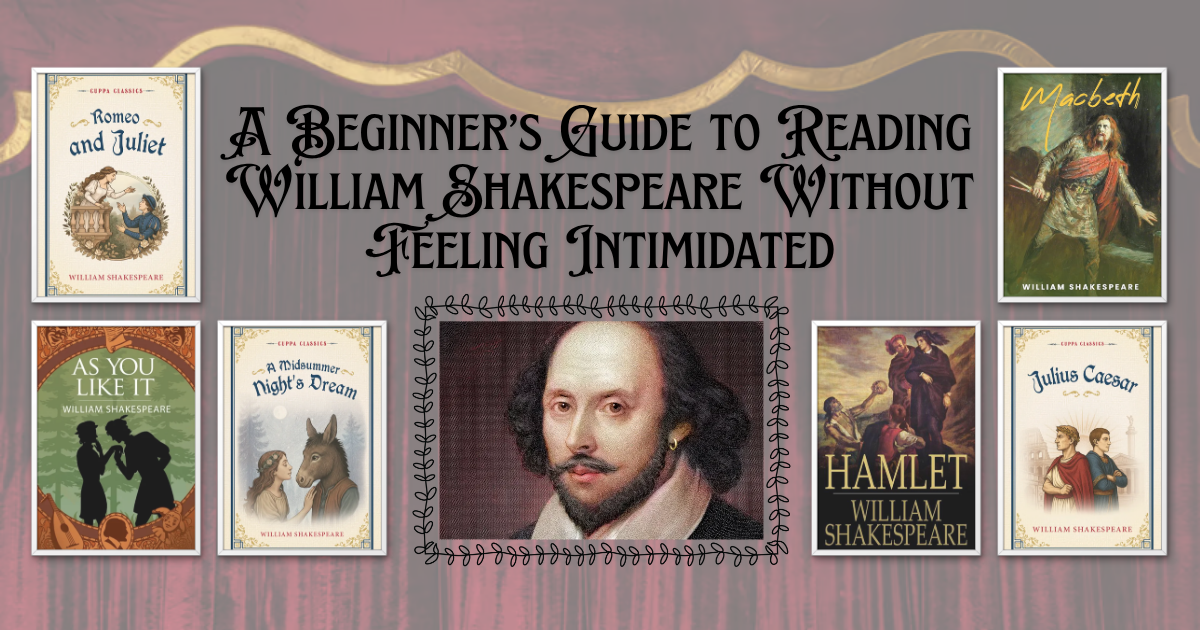
Your next read: A Beginner’s Guide to Reading William Shakespeare Without Feeling Intimidated