
Parent Categories




Related Products


Related Books

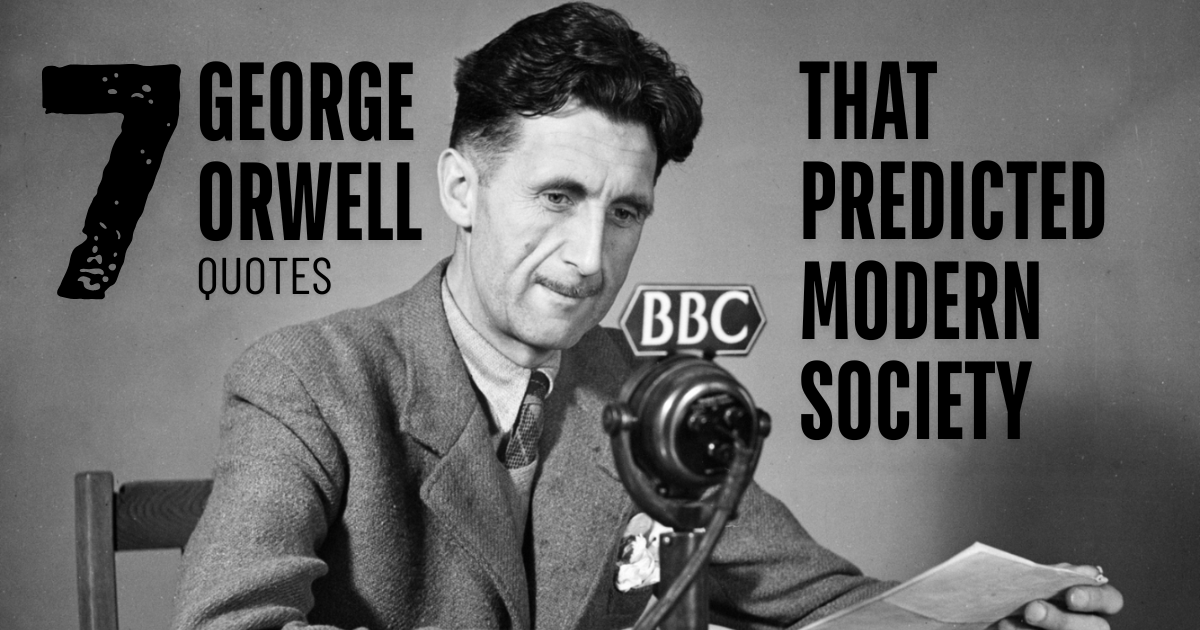
7 George Orwell Quotes That Predicted Modern Society
 George Orwell Quotes
There's a peculiar discomfort that comes from reading George Orwell in the twenty-first century. He died in 1950, never touched a computer, never heard of the Internet, and yet so much of what he wrote reads less like fiction and more like a forecast. Scroll through any conversation about surveillance, misinformation, or the slipperiness of political language today, and someone will eventually reach for an Orwell line. That's not nostalgia. It's recognition. Orwell wasn't a prophet with a crystal ball—he was a sharp observer of power, propaganda, and human self-deception, and those forces don't expire. Here are seven of his lines that feel uncannily current.
Also read: Before They Were Famous: The Odd Jobs Classic Authors Had Before Writing Changed Everything
1. The Watcher We Invited In
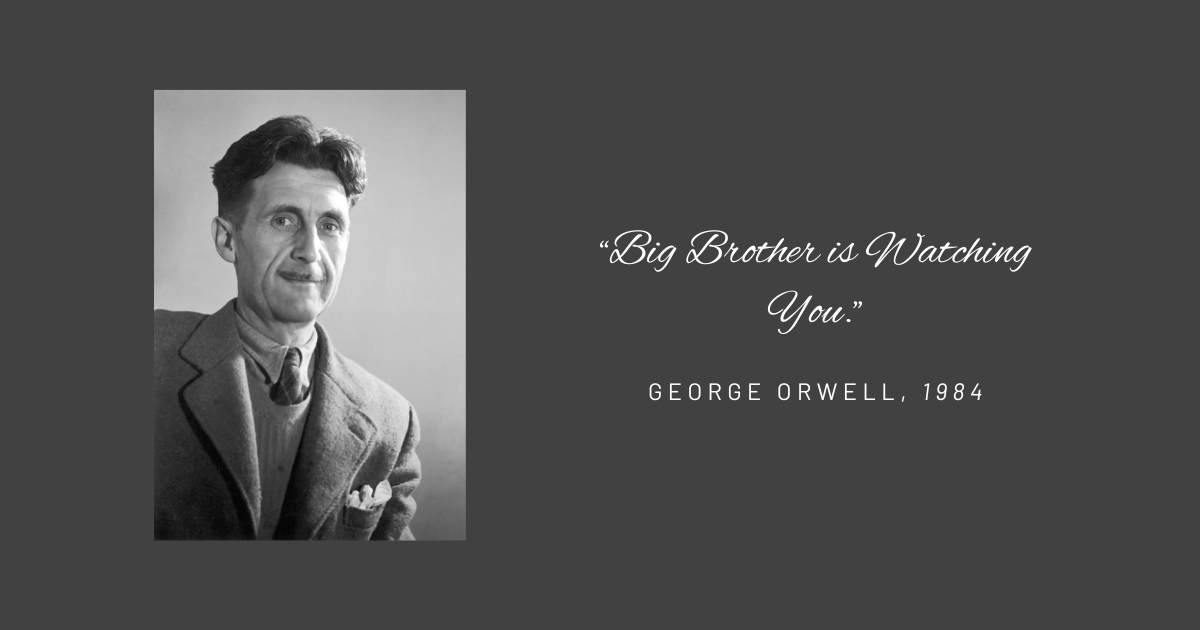
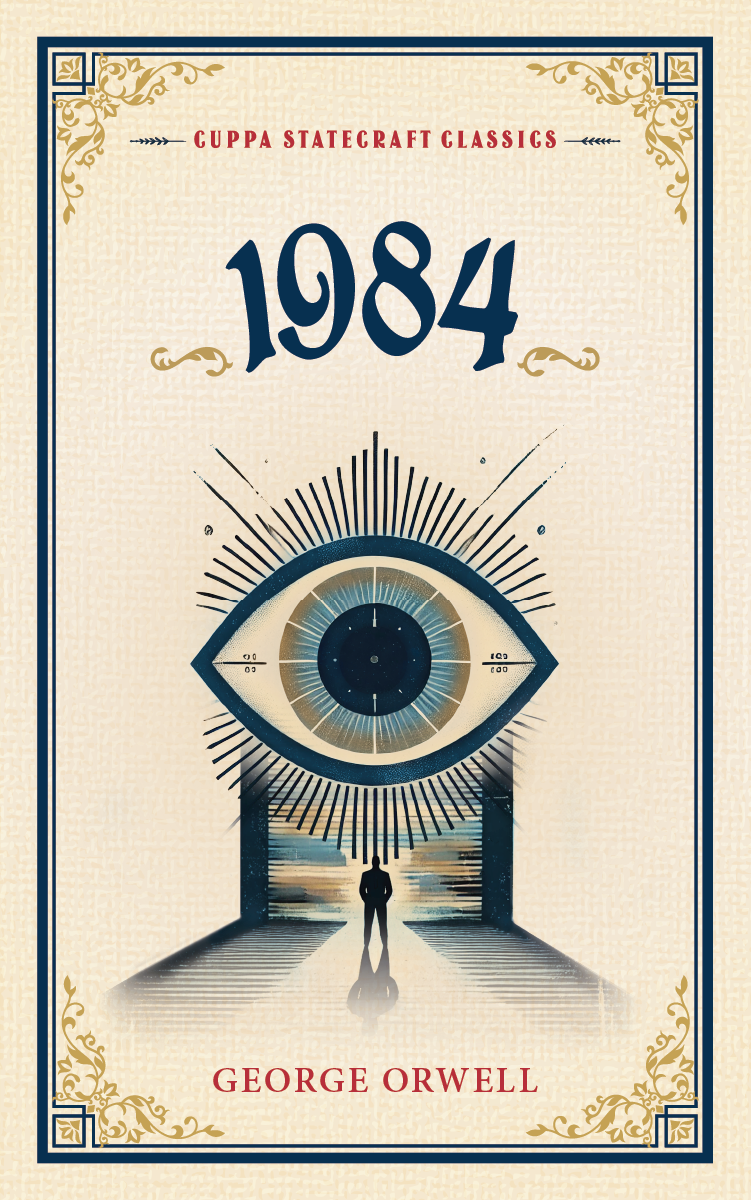
This phrase from 1984 has become so embedded in everyday speech that people use it without ever having read the book, which is itself proof of how accurately it landed. Orwell imagined a state that watched its citizens constantly through telescreens, not for any single dramatic purpose but simply as a permanent condition of life. Today, we carry the watching devices ourselves—phones that track location, apps that log behaviour, doorbell cameras that record the street, social security numbers and identity proofs that trace our history, and fingerprints that give everything away. The difference is that we often opted in, lured by convenience rather than coerced by a regime. Orwell's nightmare was imposed from above; ours is frequently something we configured ourselves, one terms-of-service agreement at a time.
Buy Here: 1984
2. Equality, With an Asterisk
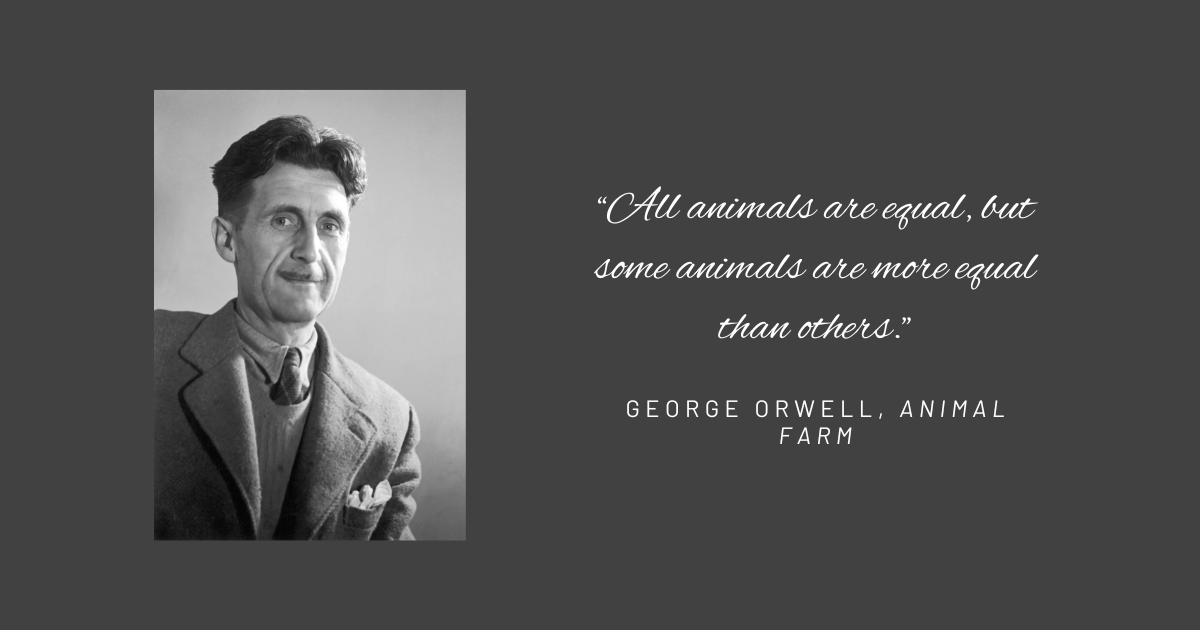
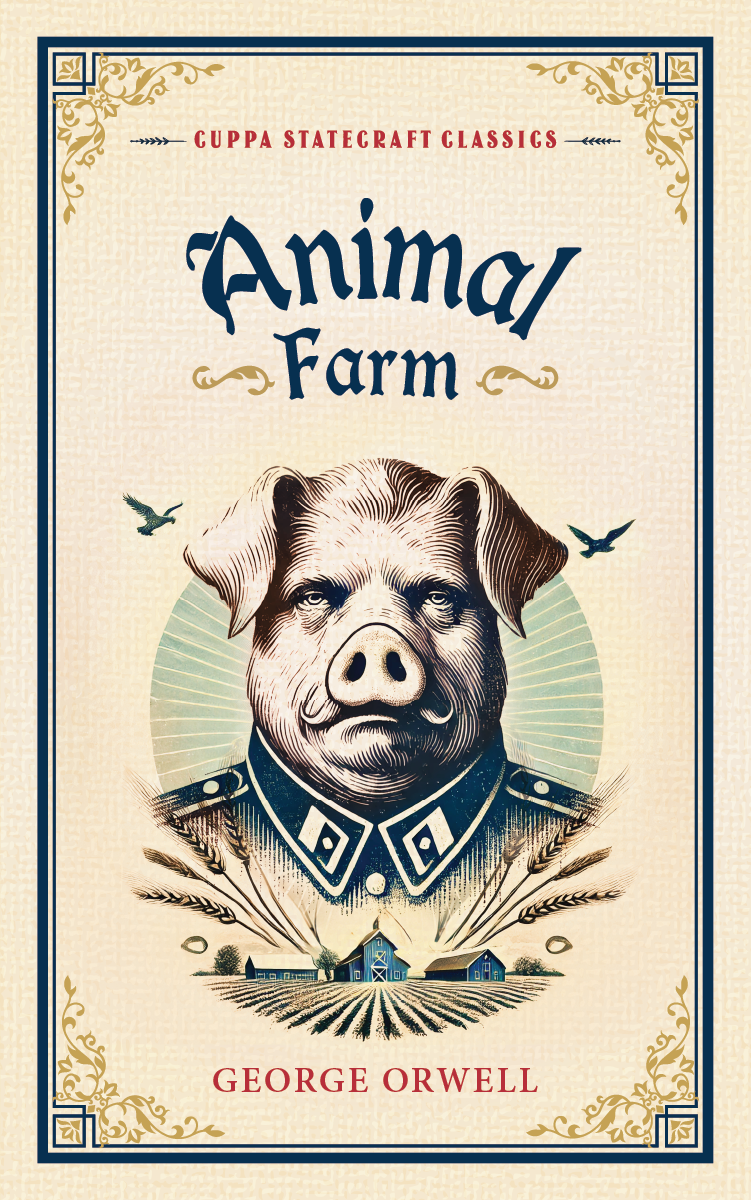
From Animal Farm, this line captures how revolutions and institutions alike tend to drift back toward hierarchy even while loudly proclaiming equality. The pigs who lead the farm never abandon the founding slogan; they simply append a clause that hollows it out. It's a pattern that shows up whenever an organisation, political movement, or platform insists on its egalitarian values while quietly building a tiered system underneath—premium access, inner circles, algorithmic favouritism. The words stay the same. The meaning gets rewritten.
Buy Here: Animal Farm
3. The Vocabulary of Evasion
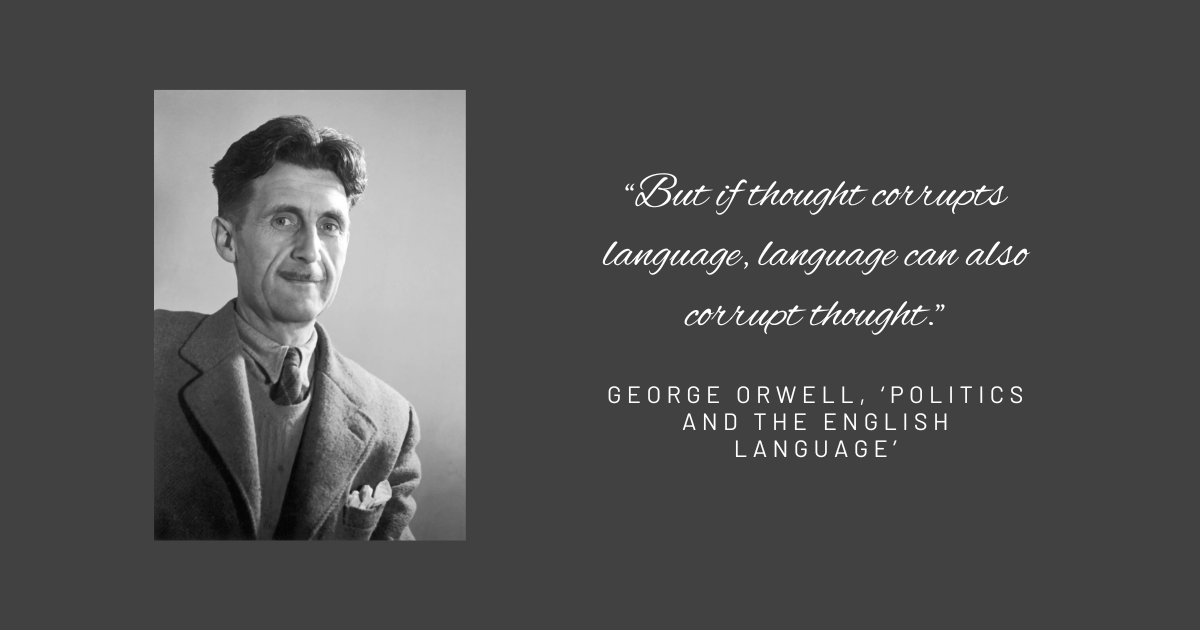
Orwell wrote this in his essay ‘Politics and the English Language’, arguing that vague, euphemistic language isn't just sloppy—it's how people excuse themselves from thinking clearly about what they're doing. Substitute ‘collateral damage’ for civilian deaths, or ‘enhanced interrogation’ for torture, and the discomfort disappears along with the clarity. Modern public discourse runs on exactly this mechanism: corporate layoffs become ‘right-sizing’, and disinformation gets relabeled as ‘alternative facts’. Orwell saw that controlling vocabulary is often a more efficient route to controlling belief than controlling facts directly.
4. Same Sin, Different Side
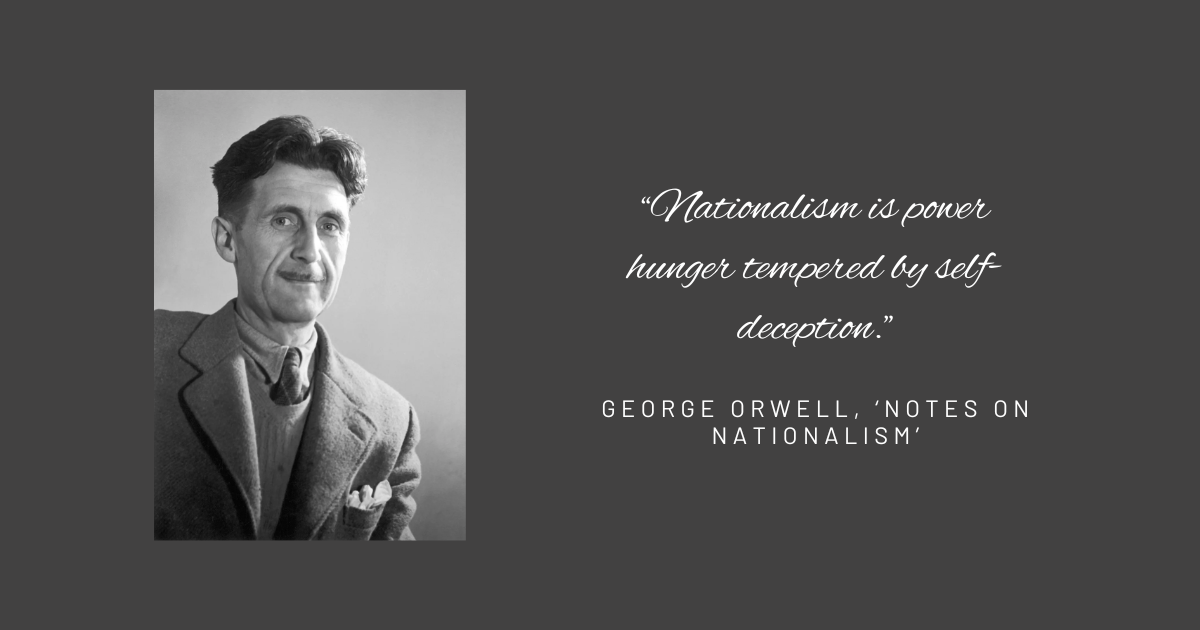
Written in his essay ‘Notes on Nationalism’, this line distinguishes patriotism—a defensive love of place—from nationalism, which Orwell saw as an appetite for dominance dressed up as virtue. He noted how nationalist thinking lets people excuse cruelty committed by their own side while condemning identical behavior in others. That asymmetry hasn't aged a day. It's visible in how quickly online discourse splits into camps where the same action is heroic or monstrous depending purely on who performed it.
5. The Test Tolerance Actually Has to Pass
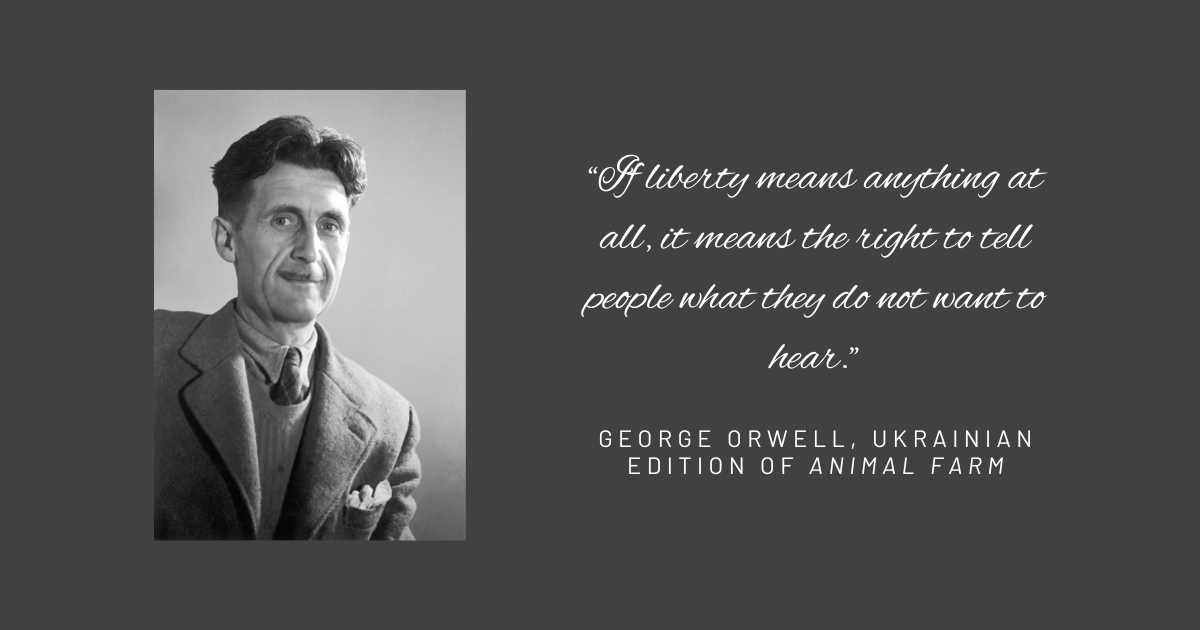
This comes from Orwell's proposed preface to a Ukrainian edition of Animal Farm, where he defended free expression not as a comfortable ideal but as a test that only matters when it's inconvenient. Real tolerance, he argued, is proven by how a society treats unpopular or unwelcome speech, not popular speech. In an era of deplatforming debates, content moderation controversies, and arguments over what counts as ‘harmful’, this line keeps resurfacing because the underlying tension—who decides what's sayable—has never been resolved.
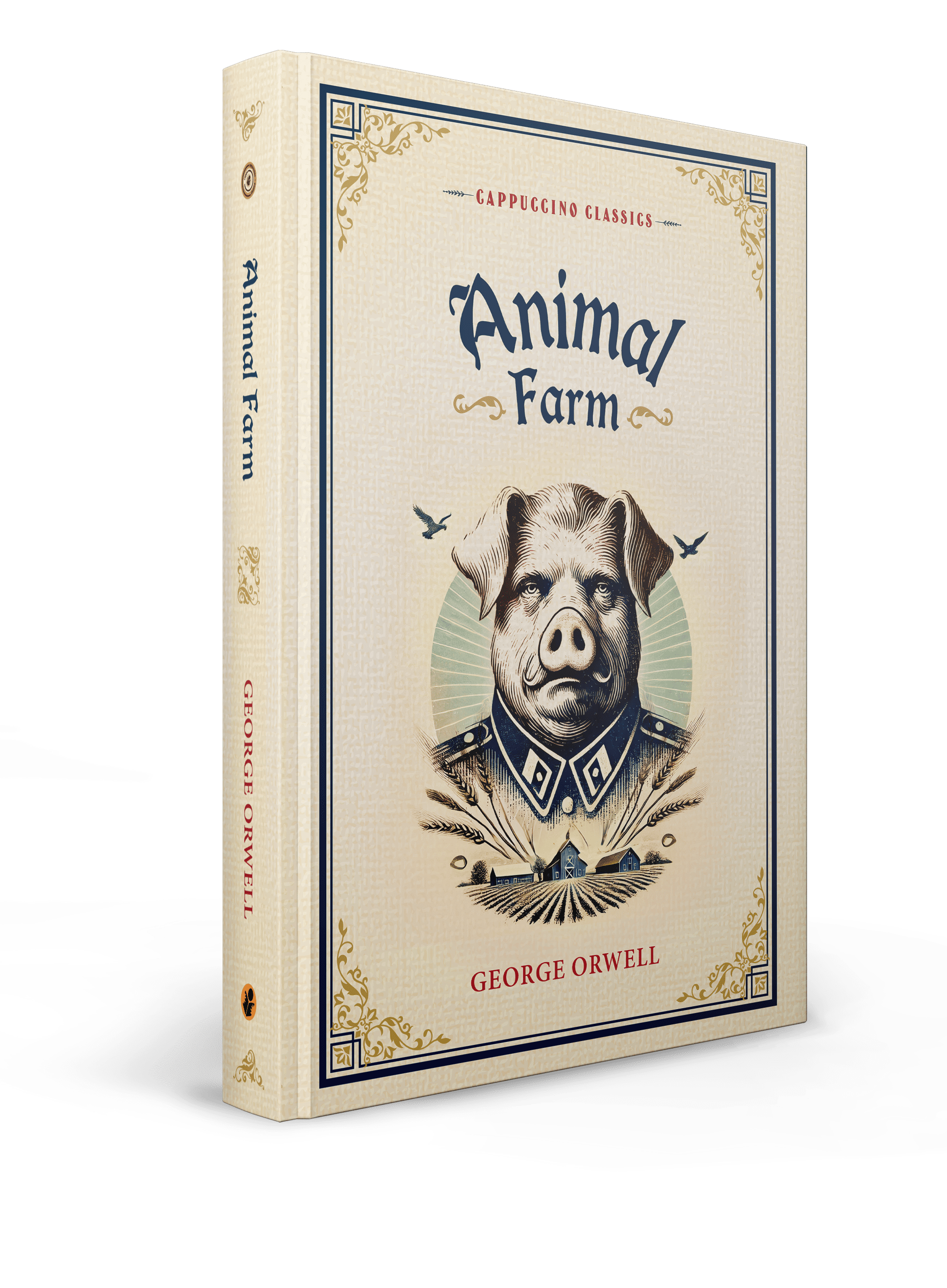
Buy Special Edition Here: Animal Farm (Cappuccino Classics)
6. Clarity as a Form of Honesty
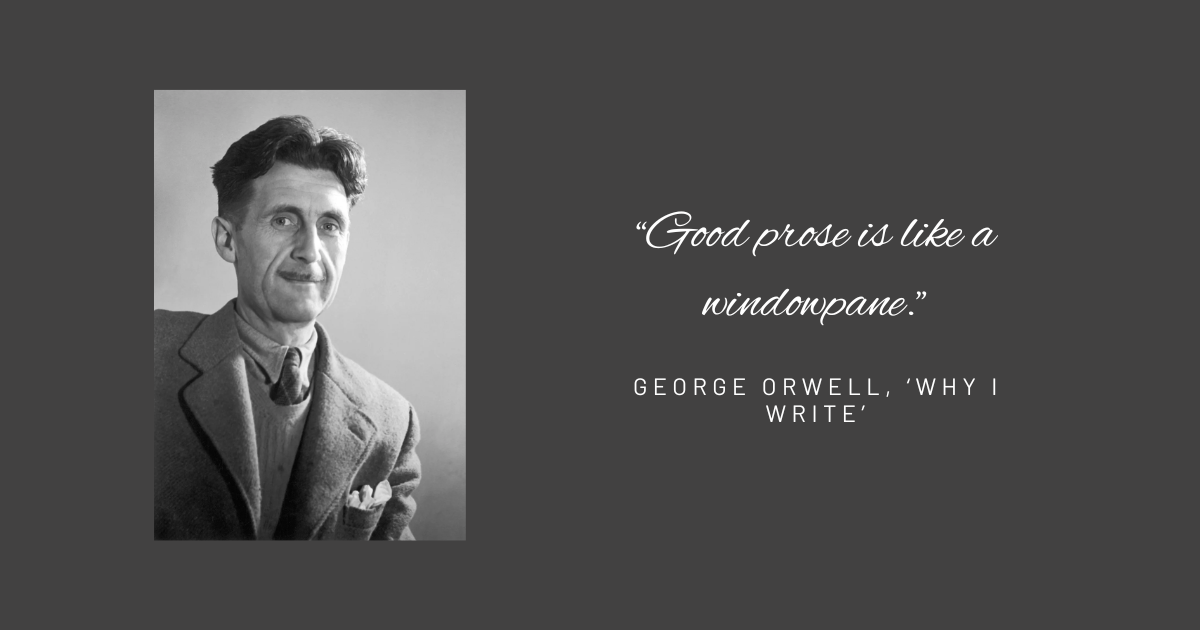
From his essay ‘Why I Write’, Orwell described his ideal of writing that doesn't call attention to itself, that simply lets the reader see clearly through to the idea behind it. It sounds like a stylistic preference, but it's really a political one: clear writing makes deception harder to hide. In a media environment saturated with jargon, spin, and engineered ambiguity, the discipline of writing plainly has become almost a form of resistance—a refusal to let language obscure what's actually happening.
7. Believing Two Things at Once
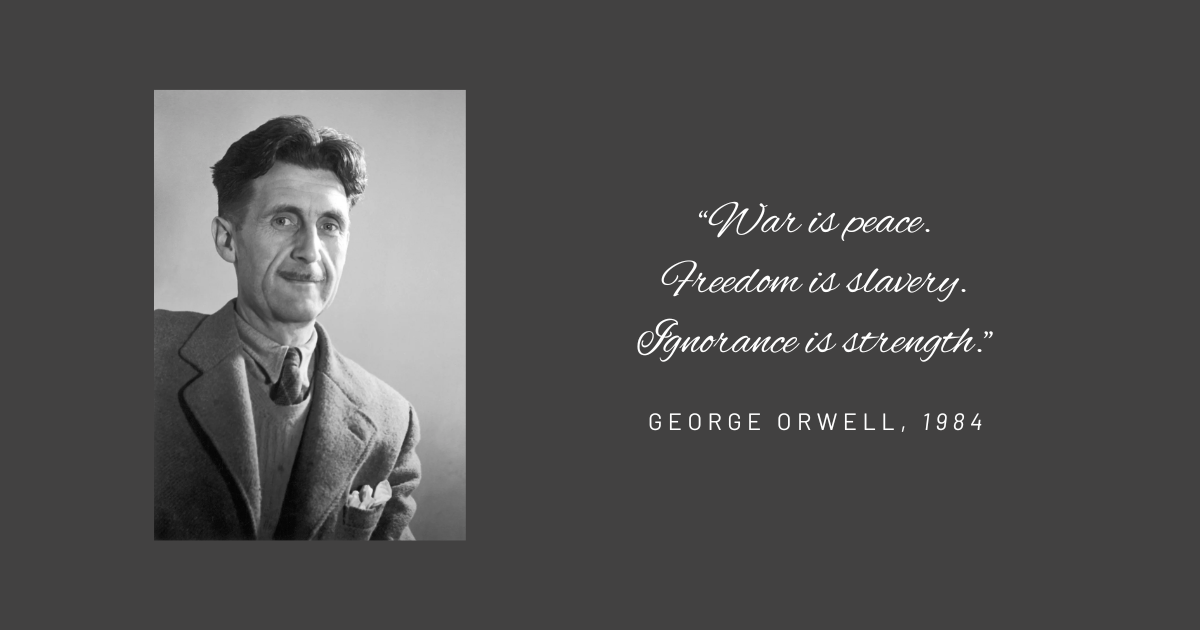
The Party's slogans in 1984 aren't meant to be believed so much as repeated until contradiction stops registering as contradiction. Orwell called this capacity to hold mutually exclusive beliefs ‘doublethink’, and it's hard not to see it operating whenever public figures assert two incompatible positions in the same breath and audiences absorb both without flinching. The slogans work not because people are fooled, exactly, but because constant repetition wears down the impulse to ask whether something makes sense at all.
Buy Special Edition Here: 1984 (Cappuccino Classics)
The Pattern, Not the Prediction
None of this means Orwell predicted smartphones or social media feeds specifically. What he understood, with unusual precision, was the machinery—how power tends to behave, how language gets bent to serve it, and how comfortable people can become with contradictions if those contradictions are repeated often enough. Technology changes the costume. The underlying behaviour, it turns out, is remarkably stable. That's the real reason his sentences keep finding their way back into our conversations, nearly eight decades on.
Your next read: Walt Whitman, Dead Poets Society & the Poem That Made a Generation Stand on Their Desks