

Parent Categories





Related Products


Related Books


Exile, Survival & Storytelling: 7 Defining Chapters in the Life of Salman Rushdie
 7 Defining Chapters in the Life of Salman Rushdie
The life of a writer is often fascinating, but few literary journeys have been as dramatic, controversial, and resilient as that of Salman Rushdie. A British-Indian novelist celebrated for his masterful blend of magical realism, mythology, and history, Rushdie has spent decades captivating readers with stories that challenge, provoke, and inspire. His life beyond the page has been marked by literary triumphs, global controversy, years of exile, and extraordinary survival.
As Rushdie turns 79 this year, let’s take a look back at the defining chapters that shaped both the man and the Booker Prize-winning writer.
Also read: Elementary, Dear Reader: 7 Things You Never Knew About Arthur Conan Doyle
Chapter 1: Roots in Bombay and a Multicultural Imagination (1947–1960s)
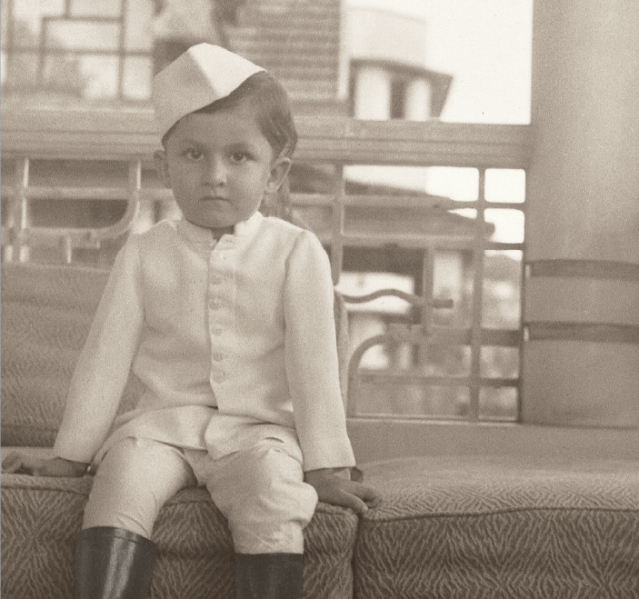 [Image Credit: The Paris Review]
Born in Bombay in 1947, Rushdie grew up in a Muslim family during the early years of independent India. The city's blend of languages, religions, and cultures would later become a defining feature of his fiction, shaping his fascination with identity, migration, and memory.
Chapter 2: Education, Migration, and Finding a Literary Voice
 [Image Credit: BBC]
As a teenager, Rushdie moved to England and later read history at King's College, Cambridge. Living between cultures gave him an outsider's perspective that would become central to his work. Before achieving literary success, he worked in advertising while developing his craft as a novelist. His debut novel, Grimus, was a quasi-science fantasy experiment that set the stage for the breakthrough he was about to have.
Chapter 3: Breakthrough with Midnight's Children (1981)

Rushdie's reputation was transformed by Midnight's Children, a sweeping story intertwined with the history of modern India. The novel won the prestigious Booker Prize and is widely regarded as one of the most influential works of postcolonial literature. Its blend of history, fantasy, and political commentary helped redefine the modern English-language novel.
Chapter 4: Global Controversy and the Fatwa Years (1988–1989)
 [Image Credit: The New York Times]
The publication of The Satanic Verses sparked intense public outrage in parts of the Muslim world. In 1989, Ruhollah Khomeini, the Supreme Leader of Iran at the time, issued a fatwa calling for Rushdie's death. Rushdie himself, along with the book's publishers and translators, faced threats to their lives. The event transformed him from a celebrated novelist into a symbol of the global debate over free expression, religion, and artistic freedom.
Chapter 5: Years of Exile and Life Under Protection
For much of the 1990s, after the fatwa was issued, Rushdie lived under police protection and frequently changed locations, moving among undisclosed safe houses. These years were marked by isolation, security concerns, and uncertainty. Yet he continued writing, refusing to abandon literature despite extraordinary personal risk. His experience became one of the most famous examples of a writer living under threat for published work.
Chapter 6: Literary Reinvention and Public Re-emergence
In 1998, the Iranian government announced it would no longer support or implement the fatwa, allowing Rushdie to eventually resume a relatively normal, public life and settle openly in the United States by 2000. He published acclaimed works including The Moor's Last Sigh, Shalimar the Clown, and his memoir Joseph Anton, which chronicled his years in hiding. By the early 21st century, he had re-established himself as a major international literary figure.
Chapter 7: Survival After the 2022 Attack

In August 2022, Rushdie was severely injured during an attack while preparing to speak at an event at Chautauqua Institution. The assault left him with life-altering injuries, including the loss of sight in one eye. His survival and subsequent recovery became another remarkable chapter in a life already defined by resilience. He later reflected on the experience in Knife.
Seven Chapters. One Unstoppable Life.
Salman Rushdie’s journey proved that stories are stronger than fear, that writers are harder to silence than the world imagines, and that the most dangerous thing you can do is keep narrating your own truth. His books are his rebellion. His life is his masterpiece.
Happy Birthday, Salman Rushdie!
Your next read: 10 Classic Authors Who Had Absolutely Unhinged Personal Lives