

Parent Categories



Related Products


Related Books


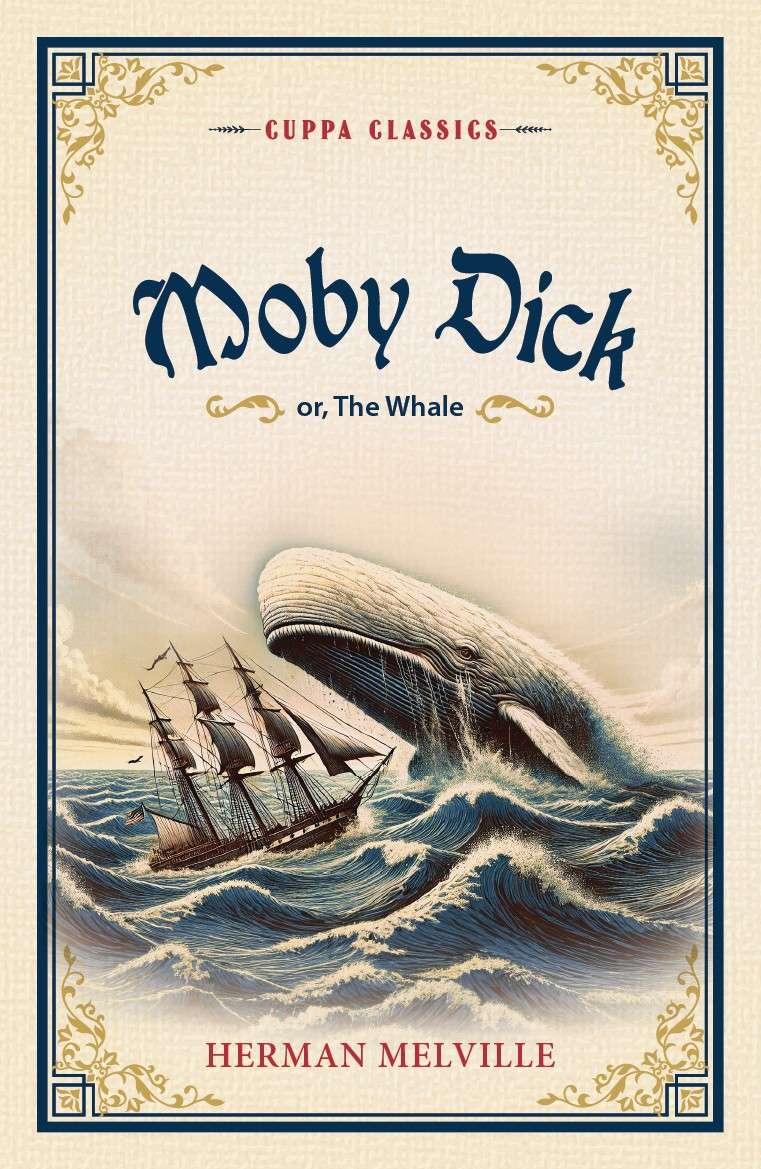
If You Love a Good Revenge Arc, These 5 Classics Were Written for You
 Revenge Classics
Revenge has always made for irresistible storytelling. It promises justice, fuels obsession, and forces characters to confront the darkest corners of human nature. Sometimes revenge is carefully planned over decades. Sometimes it erupts in a moment of grief. And sometimes, the pursuit of vengeance destroys not only the target but the avenger as well.
Long before modern thrillers and television dramas turned revenge into a favourite plot device, classic literature had already mastered it. These stories aren't simply about settling scores—they explore betrayal, pride, guilt, love, and the devastating cost of refusing to let go.
If you're fascinated by morally complex characters and unforgettable revenge arcs, these five classics deserve a place on your reading list.
Also read: The Ancestor He Was Haunted By: How the Salem Witch Trials Shaped Nathaniel Hawthorne's Writing
1. The Count of Monte Cristo by Alexandre Dumas
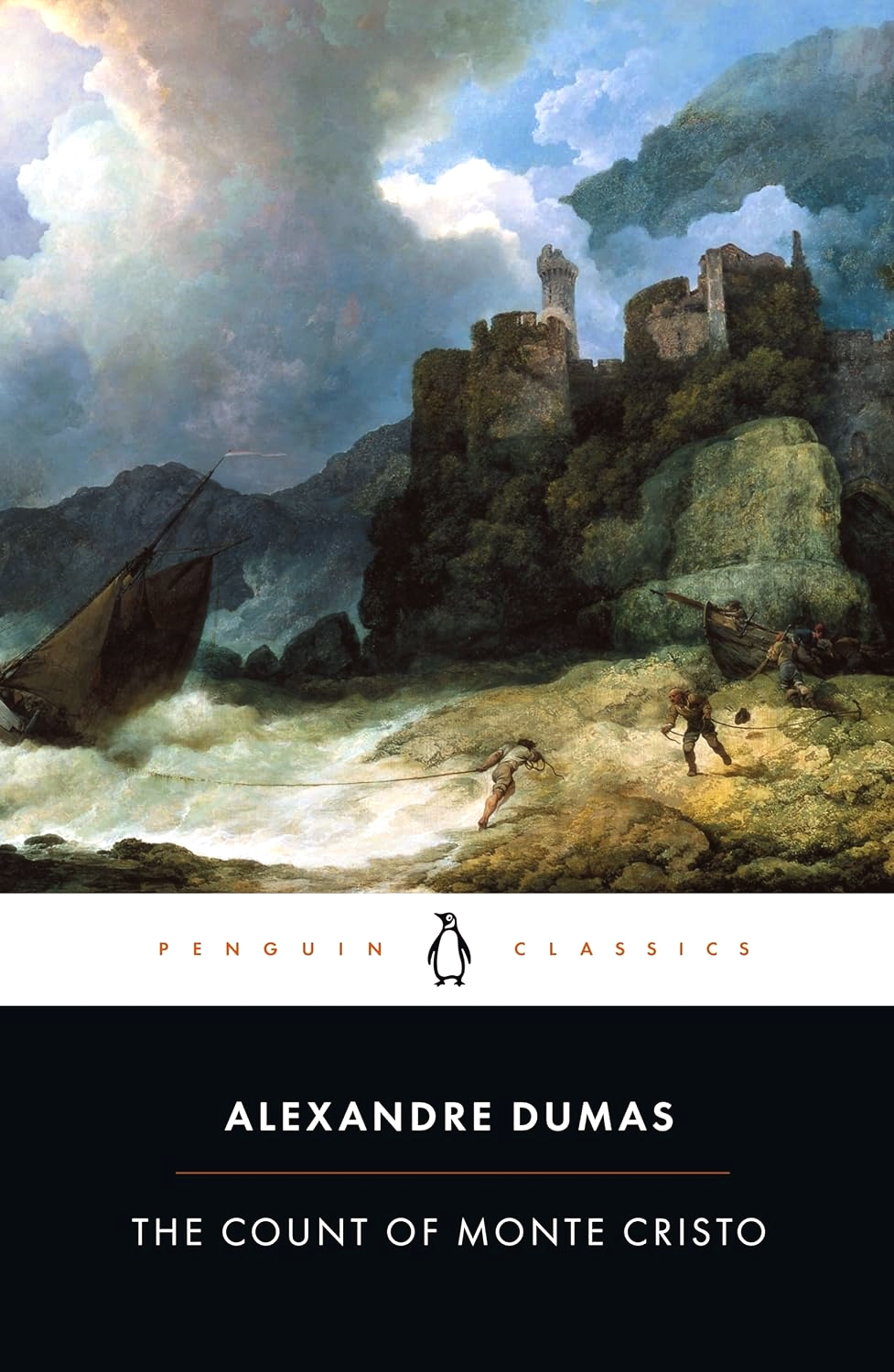
If there is one novel that defines the ultimate revenge story, it is The Count of Monte Cristo.
Edmond Dantès begins as a young sailor with a promising future, only to have everything stolen from him by jealous rivals. Falsely accused of treason, he is imprisoned for years in the Château d'If, where hope seems impossible. But imprisonment transforms him rather than breaks him. Armed with knowledge, an enormous fortune, and a carefully constructed new identity, Dantès returns to society with one purpose: to punish everyone responsible for his suffering.
What makes the novel extraordinary is the precision of its revenge. Dumas doesn't rely on dramatic confrontations alone. Every move is strategic, every revelation carefully timed. Watching Dantès weave together his elaborate plan is immensely satisfying.
Yet the novel refuses to portray revenge as entirely triumphant. As innocent lives become entangled in his schemes, Dantès is forced to question whether justice and vengeance are truly the same thing. The result is an adventure that is both thrilling and surprisingly philosophical.
2. Wuthering Heights by Emily Brontë
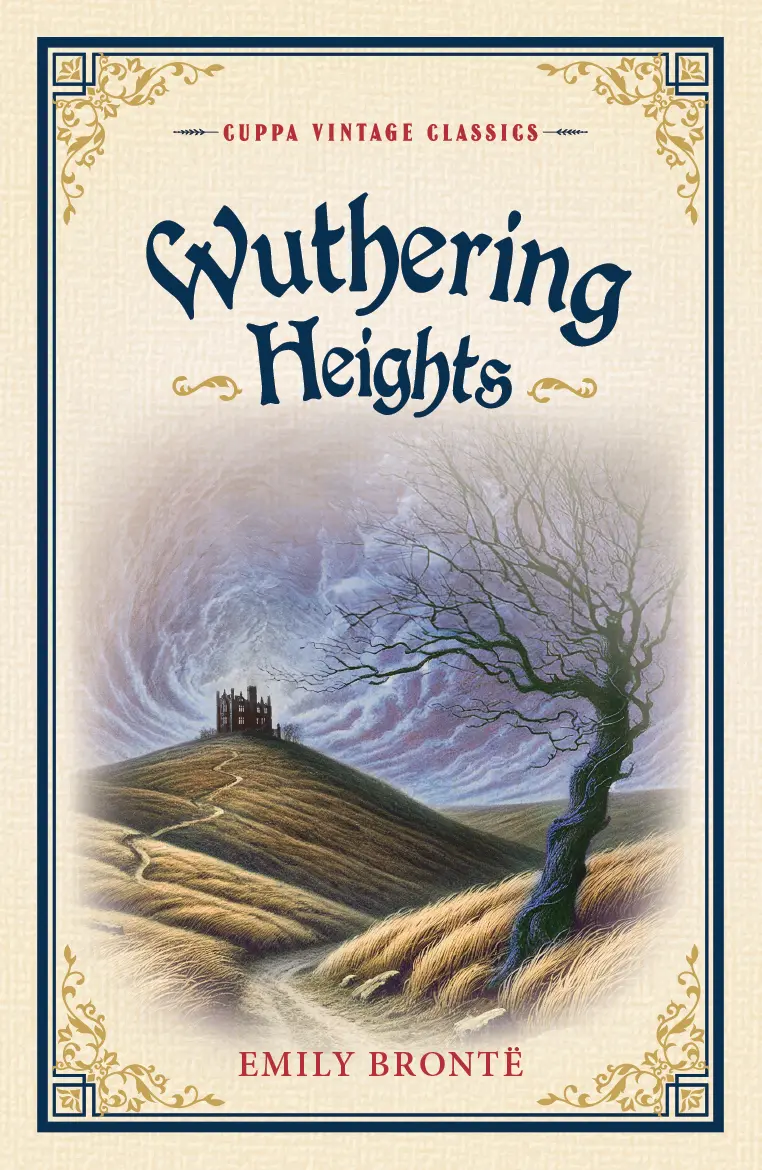
Not every revenge story involves swords, prisons, or elaborate conspiracies. Sometimes revenge grows quietly from heartbreak.
Emily Brontë's Wuthering Heights centres on Heathcliff, an orphan adopted into the Earnshaw family. Deeply in love with Catherine Earnshaw, he is devastated when she chooses to marry the wealthy Edgar Linton instead. The rejection, combined with years of humiliation and cruelty, transforms Heathcliff into one of literature's most unforgettable antiheroes.
When he returns after mysteriously acquiring wealth, his goal is no longer love but domination. He manipulates marriages, ruins families, and extends his revenge across an entire generation. Nearly every character becomes caught in the emotional storm he creates.
What makes Wuthering Heights so compelling is that readers often understand Heathcliff's pain even while condemning his actions. His revenge never truly heals him; it only deepens his loneliness and suffering. Brontë reminds us that vengeance born from love can become even more destructive than vengeance born from hatred.
Buy Here: Wuthering Heights
3. Hamlet by William Shakespeare
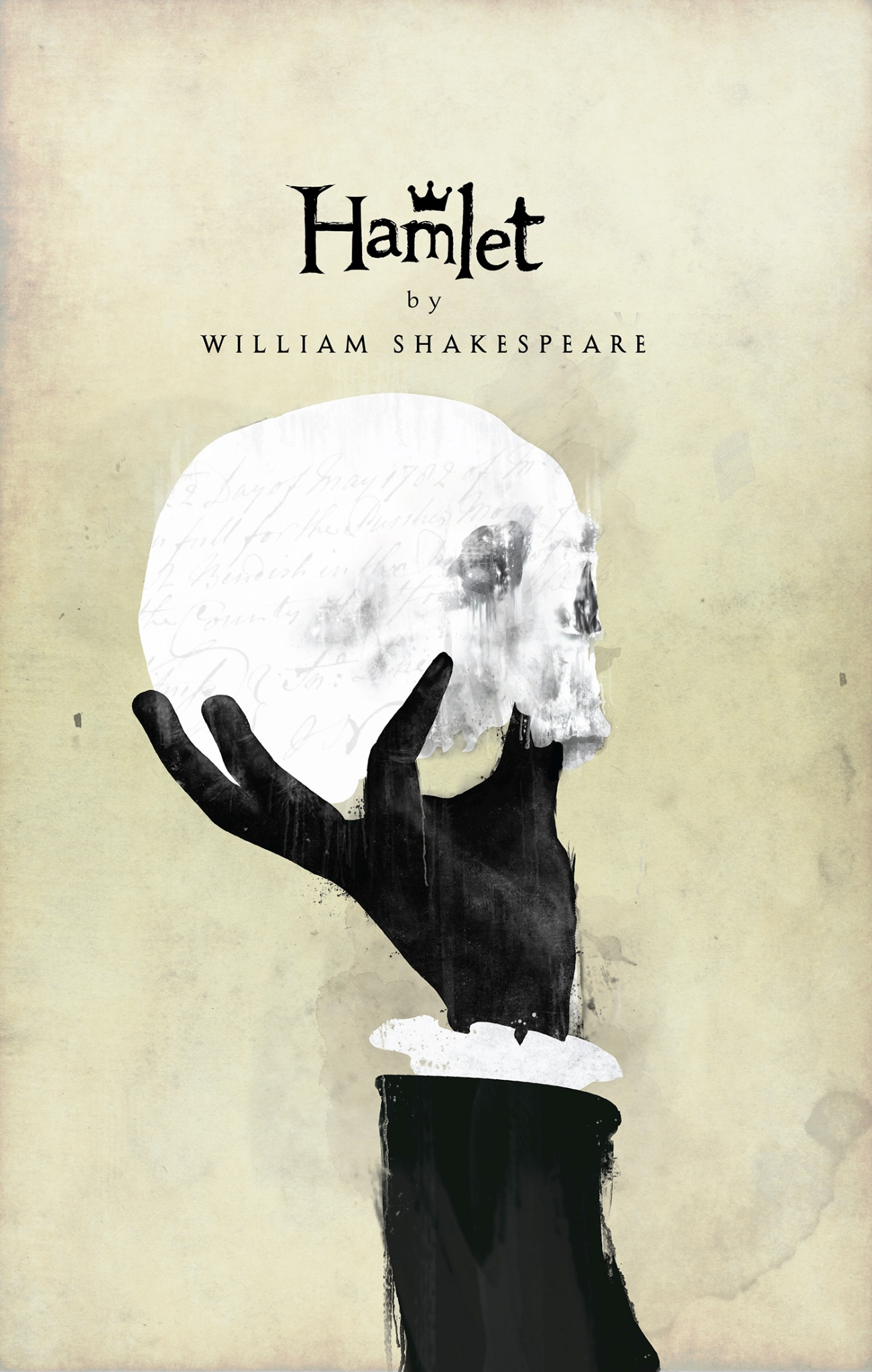
Few revenge stories ask as many difficult questions as Hamlet.
After the ghost of his father reveals that he was murdered by his own brother, Prince Hamlet finds himself trapped between duty and doubt. He knows he is expected to avenge the king's death, but certainty proves elusive. Is the ghost telling the truth? Is revenge morally justified? What happens to a person who kills in the name of justice?
Unlike many revenge heroes, Hamlet hesitates. He thinks, questions, delays, and analyses every possible consequence. That hesitation has fascinated readers and audiences for centuries because it transforms the play into something far more complex than a simple tale of vengeance.
By the time revenge finally arrives, it has claimed nearly everyone. Innocent lives are lost alongside the guilty, leaving no true victor behind. Shakespeare suggests that revenge may satisfy honour, but it rarely restores peace.
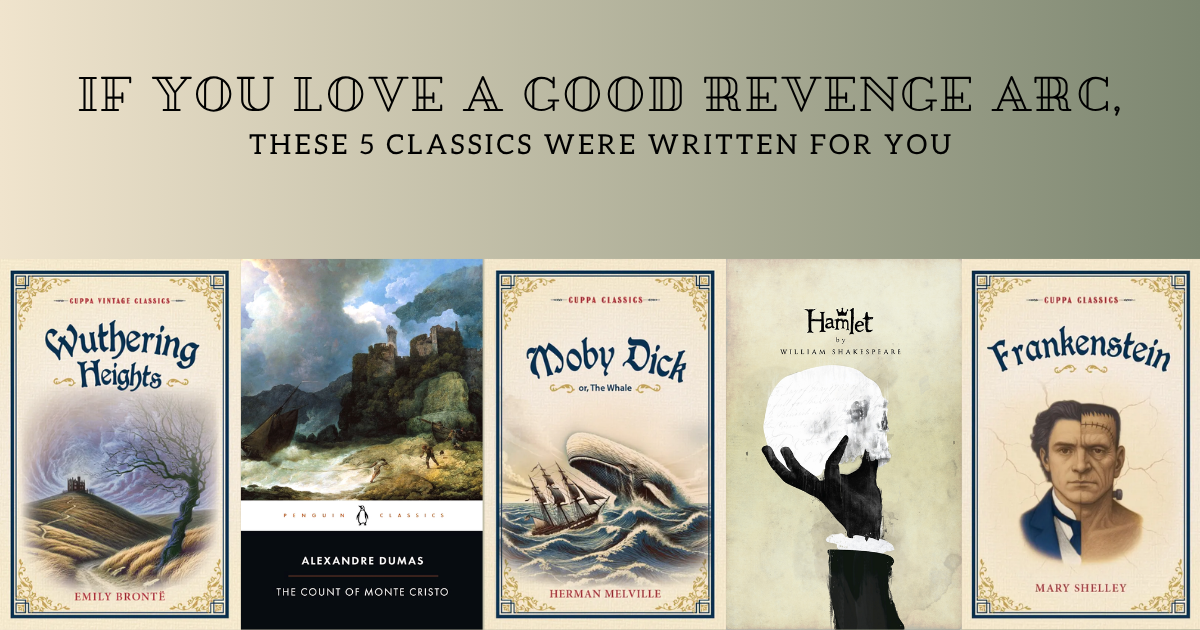
4. Moby Dick by Herman Melville
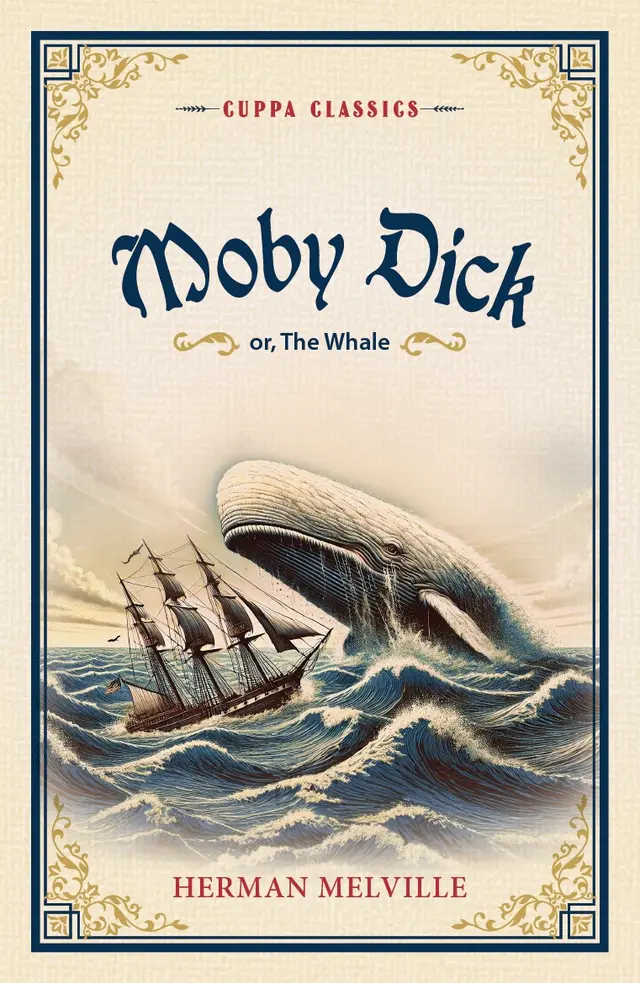
At first glance, Moby Dick appears to be an adventure about whale hunting. In reality, it is one of literature's greatest stories about obsessive revenge.
Captain Ahab's entire existence revolves around hunting the white whale that severed his leg. His pursuit is no longer about survival or livelihood—it becomes a personal war against nature itself.
Narrated by the thoughtful Ishmael, the novel slowly reveals how Ahab's obsession infects everyone aboard the Pequod. The crew is drawn into a mission they never fully chose, sacrificing reason and safety for one man's relentless quest.
Melville transforms revenge into something almost mythical. The whale becomes more than an animal; it represents fate, nature, and the unknowable forces that humans desperately try to control.
The novel asks a haunting question: what happens when revenge becomes the only purpose left in a person's life? The answer is unforgettable.
Buy Here: Moby Dick
5. Frankenstein by Mary Shelley

Mary Shelley's Frankenstein offers perhaps the most unusual revenge story on this list because both creator and creation become trapped in an endless cycle of vengeance.
Victor Frankenstein creates life but immediately rejects the creature he has brought into the world. Isolated, feared, and denied companionship, the Creature initially seeks kindness. When society repeatedly responds with violence and rejection, compassion slowly gives way to anger.
The Creature's revenge is deeply personal. Rather than attacking Victor directly, he destroys the people Victor loves most, ensuring that his creator experiences the same loneliness he has endured.
What makes the novel remarkable is that readers often sympathise with both sides. Victor's ambition unleashes unimaginable consequences, while the Creature's suffering is heartbreakingly understandable. Yet each act of revenge only creates more grief, pulling both characters toward inevitable tragedy.
Shelley's novel ultimately suggests that revenge is rarely born in isolation. It often emerges from abandonment, prejudice, and failures of empathy.
Buy Here: Frankenstein
Why These Stories Still Captivate Us
Centuries after they were written, these novels remain powerful because they understand something timeless about human emotion. Revenge is rarely about punishment alone. It is about betrayal, wounded pride, broken trust, and the desperate hope that making someone else suffer might somehow heal our own pain.
What these classics consistently reveal, however, is that vengeance almost never delivers the peace their characters expect. Edmond Dantès discovers that justice has limits. Heathcliff cannot reclaim lost love. Hamlet's revenge costs an entire kingdom. Ahab sacrifices everything to his obsession. Victor Frankenstein and his Creature become prisoners of mutual hatred.
That complexity is exactly what makes these books unforgettable. They don't simply ask whether revenge succeeds—they ask what it costs.
If you're looking for stories that combine gripping plots with profound psychological insight, these five classics prove that the greatest revenge arcs aren't just about getting even. They're about what happens after the score is finally settled—and whether anyone truly wins.
Your next read: The Women in Franz Kafka's Life: Love, Anxiety, and the Fear of Commitment