
Parent Categories


Related Products


Related Books

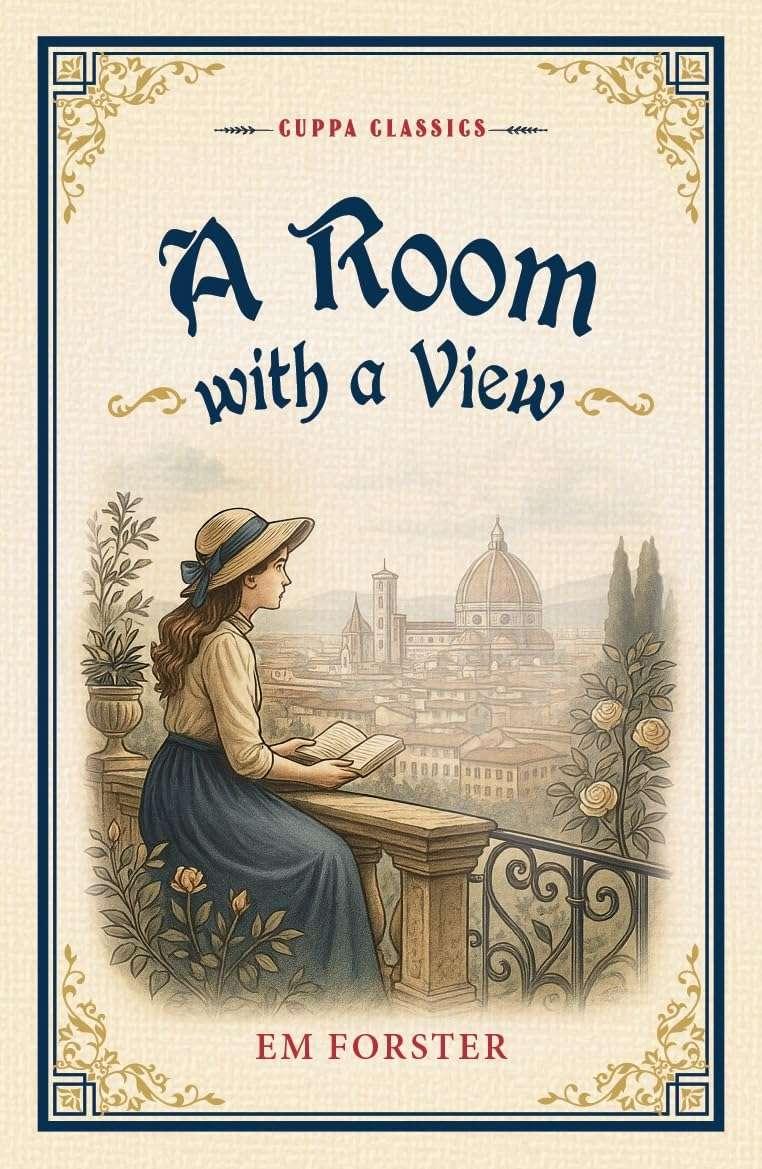
Why Is Harper Lee’s To Kill a Mockingbird Banned in Some Schools?
 Harper Lee’s To Kill a Mockingbird
Few novels occupy the strange, enduring space that To Kill a Mockingbird does—beloved, widely taught, and yet persistently challenged. Published in 1960, Harper Lee’s Pulitzer Prize–winning work has become a cornerstone of modern American literature. And still, across decades, it has found itself on lists of banned or contested books in schools. The question is not simply why it is banned, but what that says about us as readers, educators, and societies still grappling with race, justice, and language.
Also read: 6 Timeless Classics from Ramayana to Les Misérables Where Good Triumphs
A Story Rooted in Moral Courage
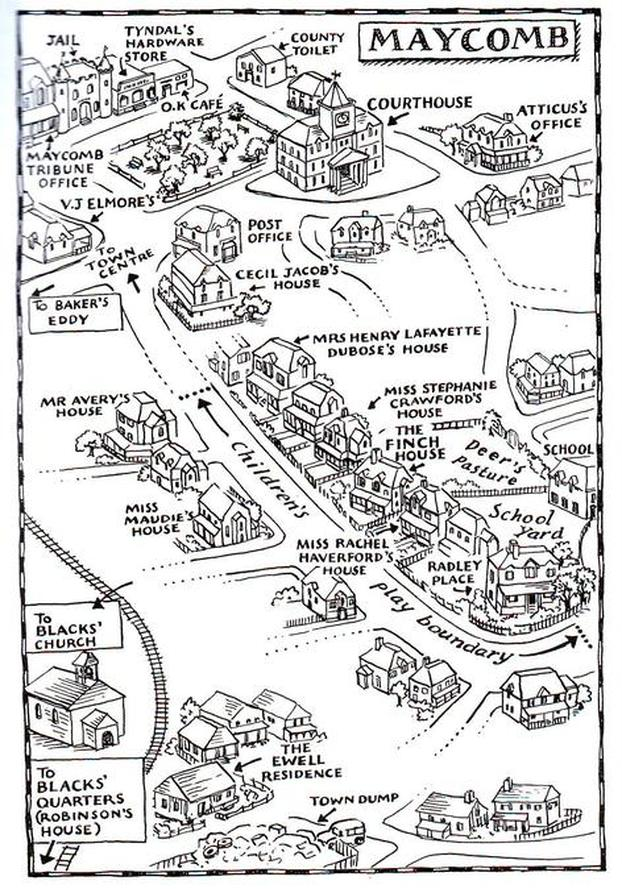 [A layout of Maycomb. Image credit: mockingbirdstudyguide.weebly.com]
At its heart, To Kill a Mockingbird is a story about moral courage. Set in the fictional town of Maycomb, Alabama, during the Great Depression, it follows young Scout Finch as she watches her father defend a Black man falsely accused of a crime he did not commit. Through the quiet strength of Atticus Finch, the novel explores racial injustice, class, gender roles, empathy, and the loss of innocence.
It is precisely because the novel tackles such weighty themes that it has remained a staple in classrooms. Yet, these same themes also place it under scrutiny.
The Controversy Over Language
One of the most frequently cited reasons for banning the book is its use of racial slurs, particularly the repeated use of the N-word. For many parents and educators, the concern is immediate: should students be exposed to such language in an academic setting?
The discomfort is real and valid. Language carries historical trauma, and in diverse classrooms, its repetition can feel harmful—even when used in a literary context. Critics argue that no educational goal justifies the emotional impact such language might have on students.
On the other hand, defenders of To Kill a Mockingbird argue that removing or avoiding this language risks diluting the reality the novel seeks to portray. Harper Lee did not write a sanitised version of history. Instead, she presented a society shaped by prejudice, and the language reflects that truth. This creates an ongoing tension between historical authenticity and present-day sensitivity.
The ‘White Saviour’ Debate
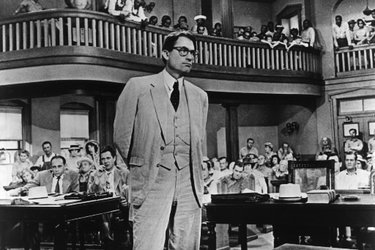 [Gregory Peck as the lawyer Atticus Finch in the 1962 film adaptation of To Kill a Mockingbird. Image credit: The New York Times]
Another major reason the novel faces challenges is its perceived ‘white saviour’ narrative. Atticus Finch is often upheld as a moral hero—someone who stands against injustice when others remain silent.
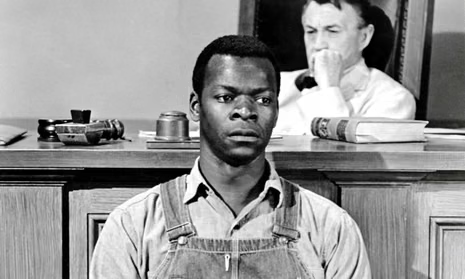 [Brock Peters as Tom Robinson in the 1962 adaptation. Image credit: The Guardian]
However, modern critics argue that the story centres a white perspective while sidelining Black voices. Tom Robinson, the man Atticus defends, is portrayed sympathetically but is not given the same narrative agency or depth. In classrooms increasingly focused on diverse representation, this imbalance raises important questions: whose stories are being told, and who gets to tell them?
For some educators, this critique is enough to reconsider the novel’s place in the curriculum—or at least to teach it alongside works by Black authors that offer more direct perspectives.
Sensitive Themes and Age Appropriateness
Beyond race, the novel also deals with difficult themes, including sexual assault. The accusation against Tom Robinson forms the central conflict of the story. While it is handled with restraint, it nonetheless introduces mature subject matter.
This has led some schools to question whether the book is appropriate for younger students. The concern is not necessarily about the presence of these themes, but about whether students have the emotional and intellectual maturity to engage with them thoughtfully.
As a result, some schools do not ban the book outright but instead limit it to higher grade levels or provide guided discussions to help students process its complexities.
The Role of Discomfort in Education
What makes To Kill a Mockingbird enduring is its ability to provoke discomfort—and reflection. It does not offer easy answers. Instead, it invites readers to see the world through Scout’s eyes, where innocence gradually gives way to an awareness of injustice.
This raises a fundamental question: should education shield students from discomfort, or prepare them to confront it?
For many educators, the novel’s value lies precisely in its ability to spark difficult conversations. When taught with proper context, it can help students engage critically with history, language, and moral complexity.
Banned or Challenged? Understanding the Distinction
It is important to note that To Kill a Mockingbird is often not permanently banned but challenged. This distinction matters.
A challenge may result in temporary removal, restricted access, or the addition of content warnings. These actions reflect ongoing debates within school communities rather than a definitive rejection of the book. In many cases, the novel eventually returns to reading lists—sometimes with new teaching approaches that address earlier concerns.
A Reflection of Changing Times
The debates surrounding To Kill a Mockingbird mirror broader cultural shifts. As societies become more aware of systemic inequalities and the importance of representation, literature is being reevaluated through new lenses.
In this context, the novel’s contested status is not necessarily a sign of decline. Rather, it highlights its continued relevance. A book that still sparks debate decades after publication is a book that continues to matter.
The Final Word: To Teach or Not to Teach?
Ultimately, the question of whether To Kill a Mockingbird should be taught is less about the novel itself and more about the purpose of education.
Should classrooms prioritise comfort or critical thinking? Should literature reflect an idealised world, or confront the realities of the past?
There are no easy answers. But perhaps that is the enduring power of Harper Lee’s work—it refuses to be simple. It challenges, unsettles, and invites readers to think deeply.
And in classrooms where it is still read, discussed, and debated, its story continues—not just on the page, but in the minds of those who engage with it.
Your next read: Forbidden Yet Unforgettable: 10 Classics That Were Once Banned