

Parent Categories



Related Products


Related Books

The Hidden Queer Lives of Classic Authors
 Hidden Queer Lives of Authors
There is something haunting about queer history. Not because queer people were absent from the past, but because so many were forced to leave only traces of themselves behind. A letter expressing love in a world that would condemn it. A poem addressed ambiguously. A lifelong companion described as merely a friend. A novel that says everything its author could not afford to say out loud.
The classics are filled with these traces. As Pride Month draws to a close, we are not just celebrating queer lives; we are turning back to the chapters to see the hidden lives of writers who made queer lives seen. The ones who navigated love, desire, and identity in worlds that tried to erase their existence.
1. Oscar Wilde
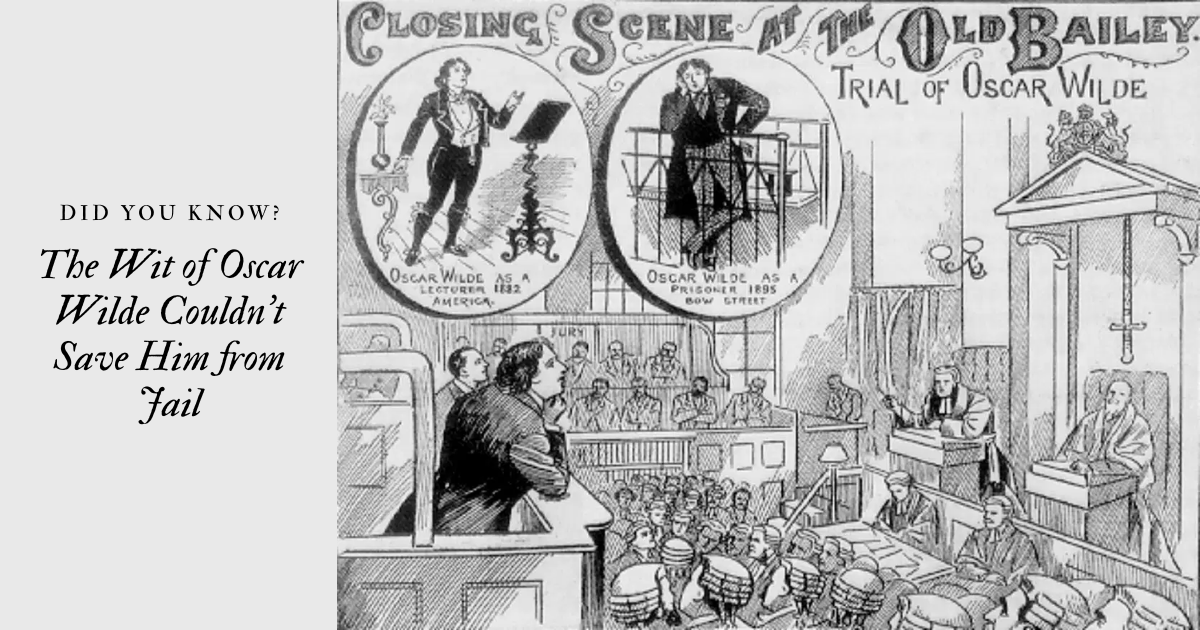
Known for his wit, flamboyance, and literary brilliance, Wilde was one of the most celebrated writers in Victorian England. Yet behind the success of The Picture of Dorian Gray and The Importance of Being Earnest was a man who lived in a society that criminalised same-sex relationships.
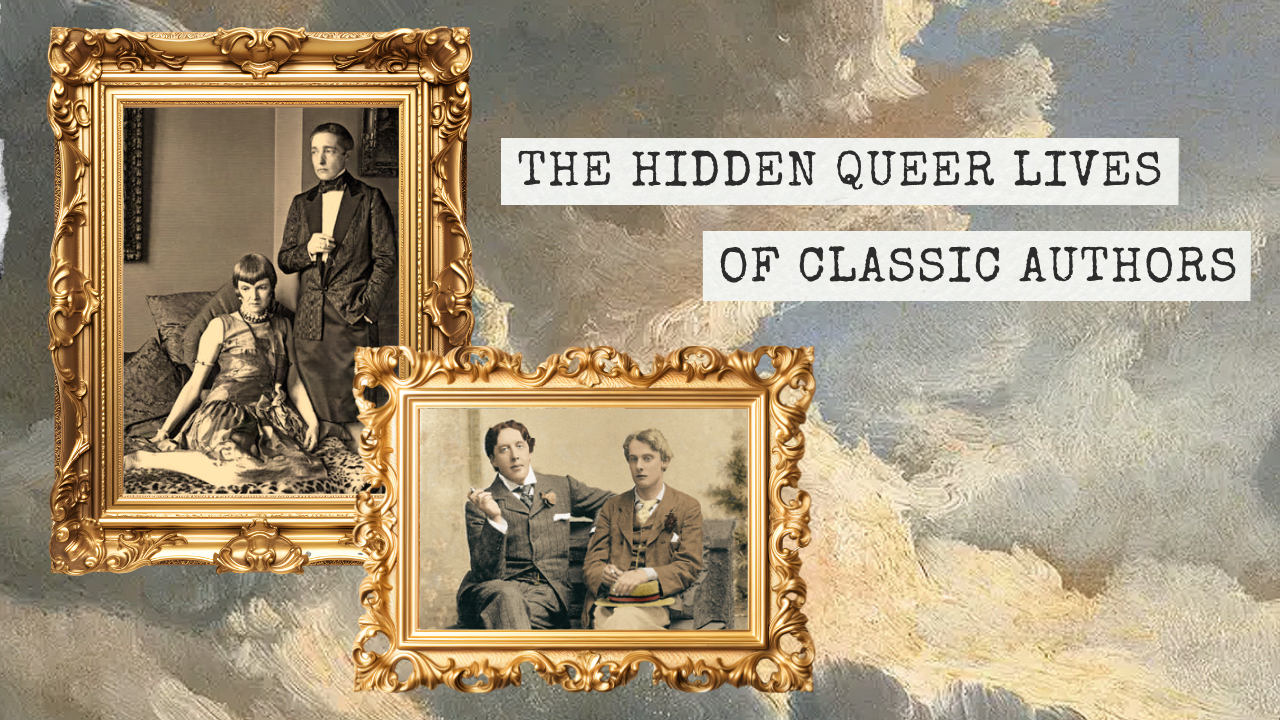
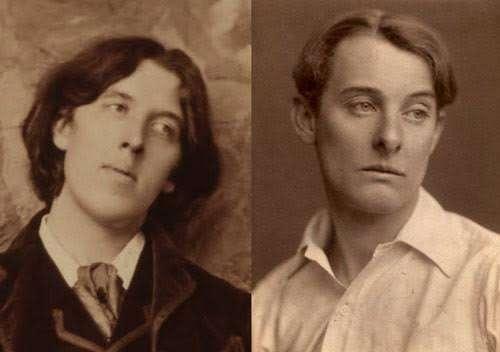 [Oscar Wilde and Lord Alfred Douglas]
Wilde's relationship with Lord Alfred Douglas changed the course of his life. At a time when homosexuality was considered both immoral and illegal, their relationship became the subject of public scrutiny and scandal. In 1895, after a series of legal battles, Wilde was convicted of "gross indecency" and sentenced to two years of hard labour. The punishment was devastating. He lost his reputation, his career, much of his social standing, and the freedom he had once enjoyed.
Also read: Did You Know? The Wit of Oscar Wilde Couldn’t Save Him from Jail
2. James Baldwin
For James Baldwin, being queer was never a secret. Born in 1924 and raised by a strict preacher stepfather, Baldwin grew up poor, Black, and gay in an America that made little room for any of those identities. He transformed those experiences into literature, writing with remarkable honesty.
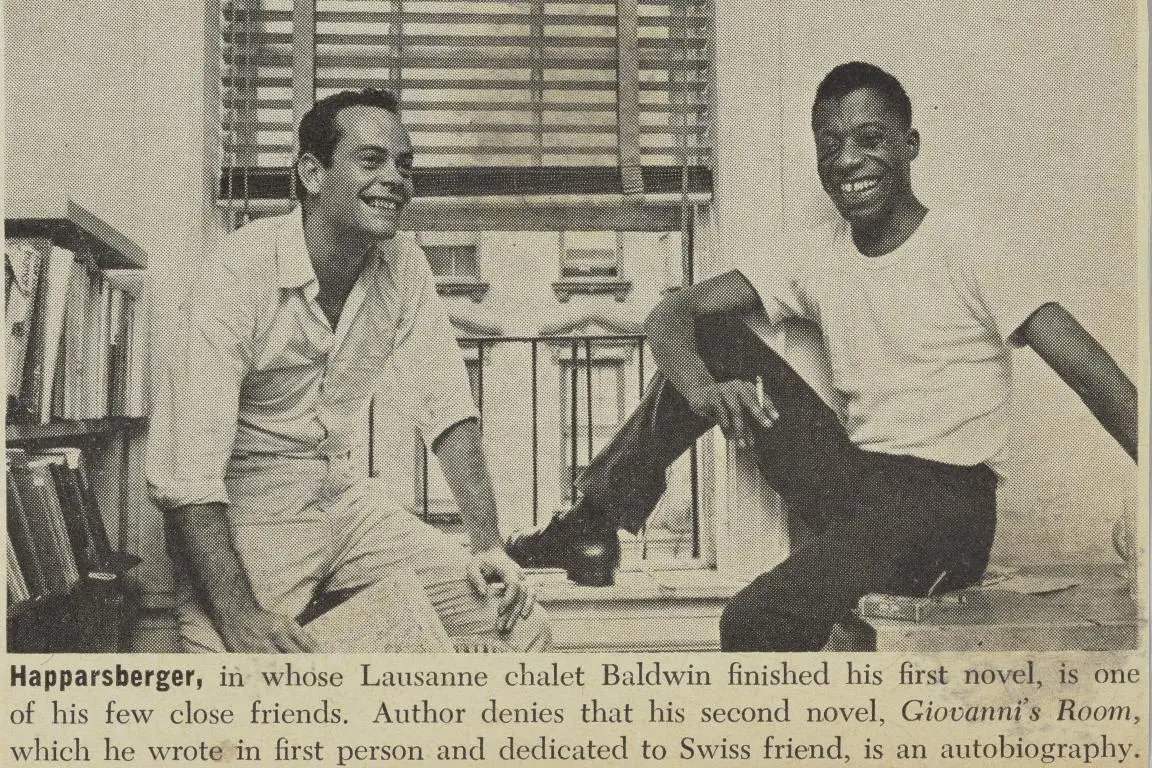 [James Baldwin & Lucien Happersberger; Image Credit: Smithsonian National Museum of African American History and Culture]
Throughout his life, he formed relationships with several men, including painter Beauford Delaney, Swiss artist Lucien Happersberger—his first serious love and a figure who remained emotionally significant for years—and creative collaborators such as Turkish actor Engin Cezzar and French artist Yoran Cazac. These experiences of love, desire, longing, and heartbreak found their way into his writing. His groundbreaking novel Giovanni's Room drew from his personal life, becoming a powerful exploration of queer desire.
3. Virginia Woolf
“I am reduced to a thing that wants Virginia…It is incredible how essential to me you have become”
The hidden queer life of Virginia Woolf is most evident in her letters exchanged with Vita Sackville-West. Vita herself was a British novelist, poet, and gardener, and was closely associated with the influential Bloomsbury Group. What began as an intellectual meeting at a dinner party in December 1922 quickly became something much more intimate.
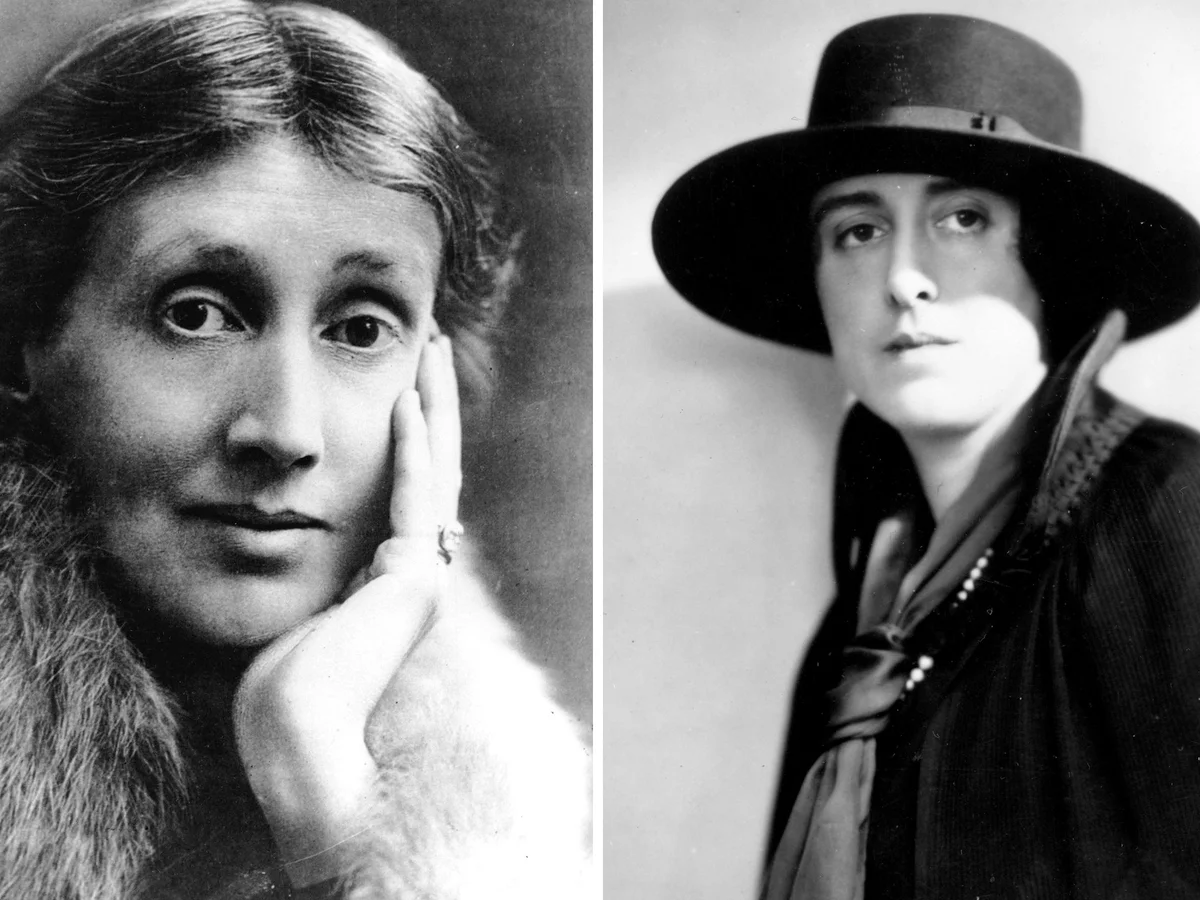
Although both were married to men, they were romantically, emotionally, sexually, and creatively involved with each other. Their romance and deep emotional bond with each other lasted till Virginia’s tragic death. However, their love didn't just transform their personal lives; it transformed literature itself. There were several significant female relationships that helped shape Woolf’s life.
4. Walt Whitman
 [Peter Doyle and Walt Whitman; Image Credit: The Irish Times]
Few figures in literary history have inspired as much discussion about sexuality as Walt Whitman. Whitman filled his poetry with intense expressions of affection, physical closeness, and emotional devotion between men, all of which felt like a coded love language. Much of the conversation surrounding Whitman's queer life centres on the Calamus poems in Leaves of Grass, a collection that explored what he called "the love of comrades."
Whitman's personal life offers similar traces. His close relationships with men, particularly with streetcar conductor Peter Doyle, have long been examined by biographers and literary historians. The letters exchanged between the two reveal a deep emotional attachment that has led many to view Doyle as the great love of Whitman's life.
5. Sappho
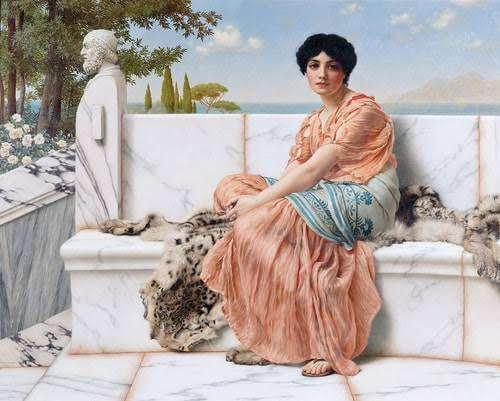 [Image Credit: World History Encyclopedia]
Long before there was a language for queerness, there was Sappho. Sappho was one of the earliest known poets to write openly and intimately about love between women. The ancient Greek poet lived on the island of Lesbos, and her poems mention multiple women with whom she was surrounded. Her sacred and homoerotic poetry and songs addressed to women led the Greek philosopher Plato to call her the "Tenth Muse".
Though much of her work survives only in fragments and quotations, what remains is enough to reveal a voice that was remarkably personal, passionate, and tender. The terms "lesbian" and "sapphic" are rooted in her legacy. She became proof that queer love was ancient.
6. Radclyffe Hall
“If our love is a sin, then heaven must be full of such tender and selfless sinning as ours.”
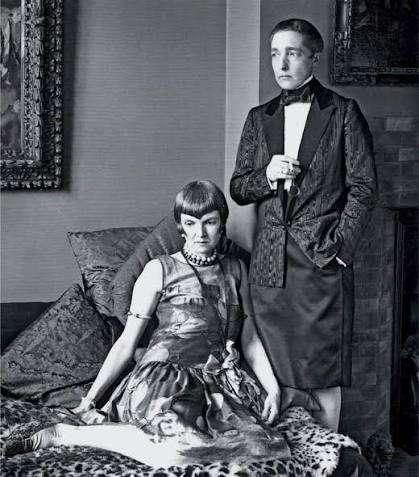 [Radclyffe Hall, right, with her lover, Una Troubridge, 1927. Image Credit: The Paris Review]
Radclyffe Hall, the famous author of queer novel, The Well of Loneliness, chose open expression of her masculine queerness. In doing so, she became one of the most controversial literary figures of her time.
Born in 1880, Hall preferred to be called "John"—a name given to her by Mabel Batten, an amateur singer and socialite known as "Ladye." When Hall was 27, she entered into a relationship with Batten, who was 51, beginning one of the defining romances of her early life.
After Batten's death in 1916, Hall grew even closer to Una Troubridge, an artist and translator. The two women began living together in 1917 and remained partners for the next 28 years, until Hall's death. Their life together, however, was not without complications. In the 1930s, when Troubridge became ill, a White Russian nurse named Evguenia Souline was hired to care for her. Hall and Souline had a brief affair.
7. EM Forster
EM Forster would have never been suspected of homosexuality. Yet his novels—A Room with a View, Howards End, A Passage to India—thrummed with male intimacy and something unsaid. He lived a double life—blending a respectable public persona as a member of the Bloomsbury Group with a secret, deeply fulfilling underground queer life.
In 1913–1914, inspired by a visit to gay rights activist Edward Carpenter's home, Forster wrote Maurice, a novel about two men who fall in love and choose each other—but he kept it locked away. It was published only after his death in 1971.
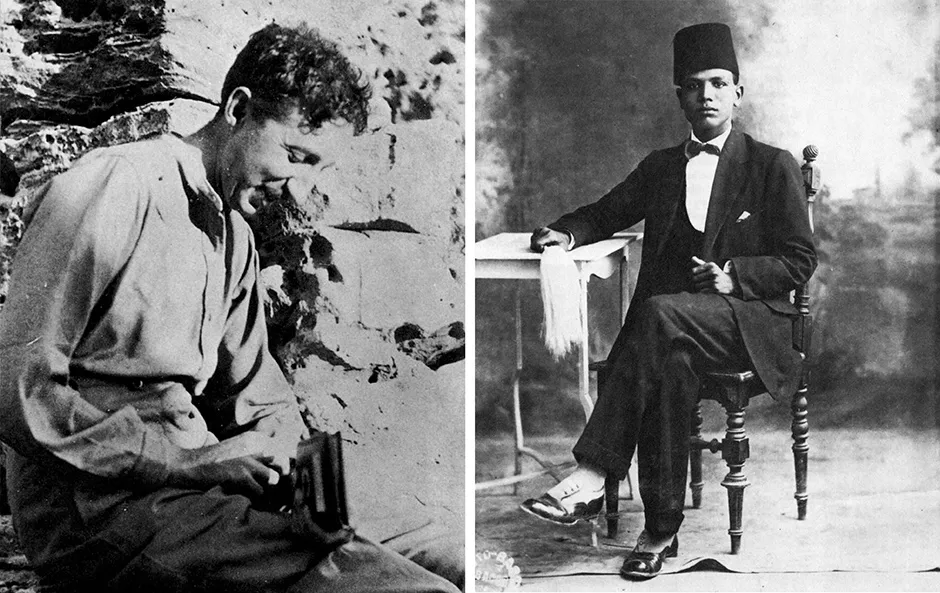 [EM Forster and Mohammed el-Adl; Image Credit: The New York Review]
His own love life was far more candid. In 1916, while working for the Red Cross in Egypt, Forster met Mohammed el-Adl, a seventeen-year-old tram conductor, and fell in love, embarking on an intense relationship until el-Adl died of tuberculosis in 1922. Beginning in 1930, Forster had a forty-year relationship with Bob Buckingham, a married policeman. Late in life, at 81, he began a relationship with 35-year-old Mattei Radev, a Bulgarian art collector.
8. Emily Dickinson
 [Emily Dickinson and Susan Gilbert; Image Credit: The Marginalian]
Emily Dickinson spent most of her life in relative seclusion, leaving behind nearly 1,800 poems and one of the most fascinating mysteries in literary history. While scholars continue to debate the nature of her relationships, many of Dickinson's most intimate letters were addressed to Susan Gilbert, her lifelong friend and sister-in-law.
Before Susan married Dickinson's brother Austin, the two women shared a deeply emotional bond. Dickinson's letters to Susan overflow with longing, admiration, and affection. In one, she wrote,
"Susie, will you indeed come home next Saturday, and be my own again, and kiss me..."
Susan became one of the most important people in Dickinson's life. She was among the first readers of Dickinson's poetry, a trusted critic, and a constant presence in her emotional world.
What We Learn From Their Lives
What strikes when we read these stories together is not the tragedy, though there is plenty. It's the refusal. The refusal to stay silent, even when silence would have saved them. The refusal to stay closeted, which would have killed them from the inside. The refusal to stay away from love and loving and being whoever they wanted. They resorted to words, language, poems and letters which lived on to resonate with generations of queer community.
Some of them found love that lasted. Some lost it. Some lived in worlds that never fully acknowledged who they were. But all of them made it possible for the next person to pick up a book and see themselves looking back. And for today's generation, who is dealing with similar issues, especially with the introduction of the recent Trans Bill and the people in power who want to silence your voices, let these lives be a reminder that your existence matters.
Happy Pride Month, everyone!
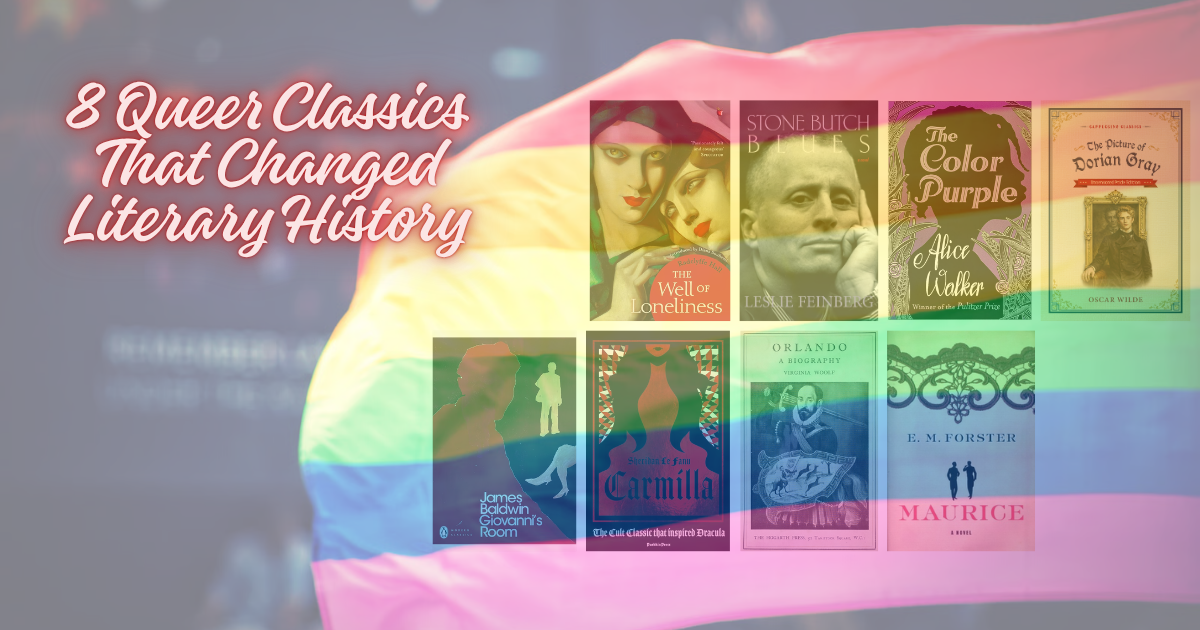
Your next read: 8 Queer Classics That Changed Literary History