

Parent Categories



Related Products


Related Books


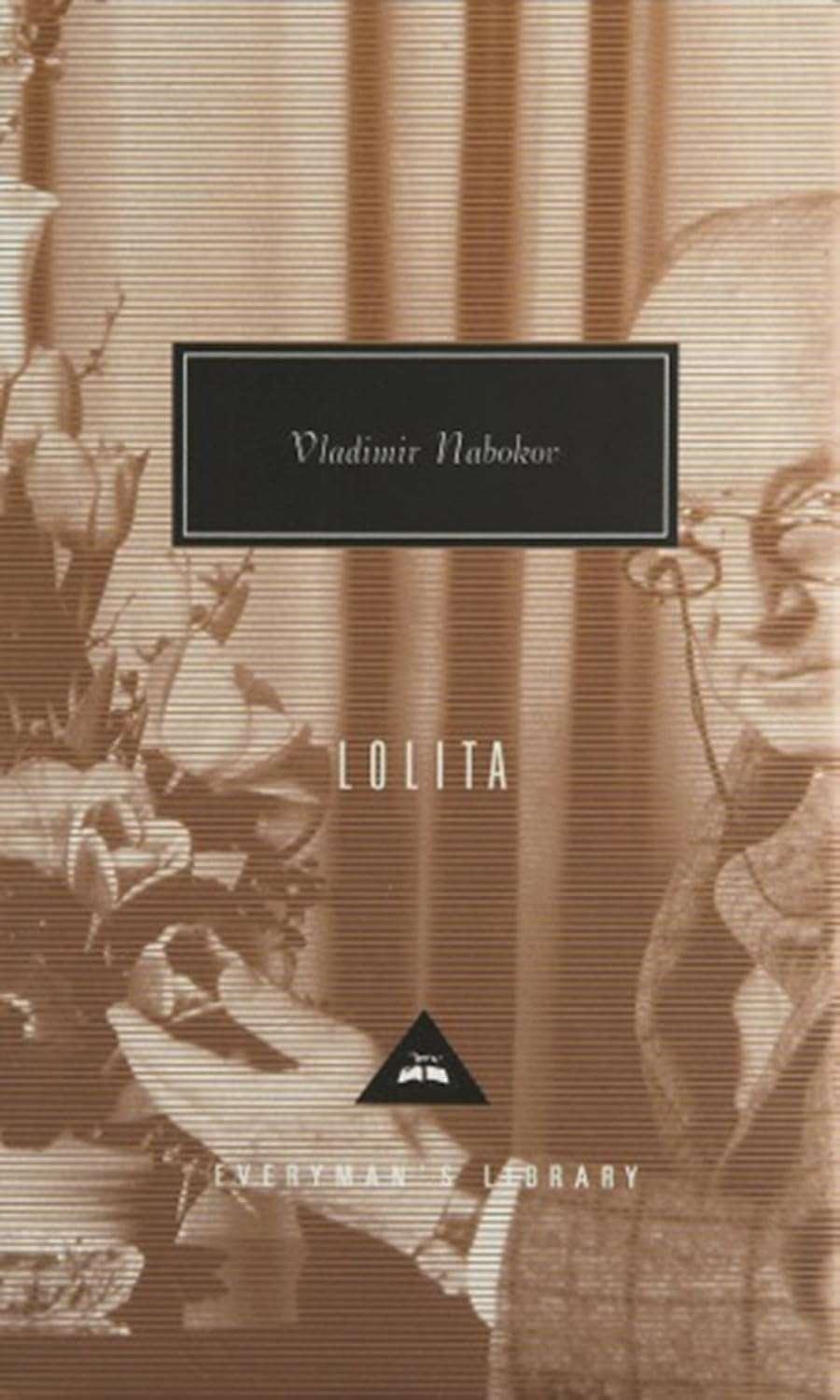
Is ‘Lolita’ Misunderstood? Themes, Narrative Style, and Reader Discomfort Explained
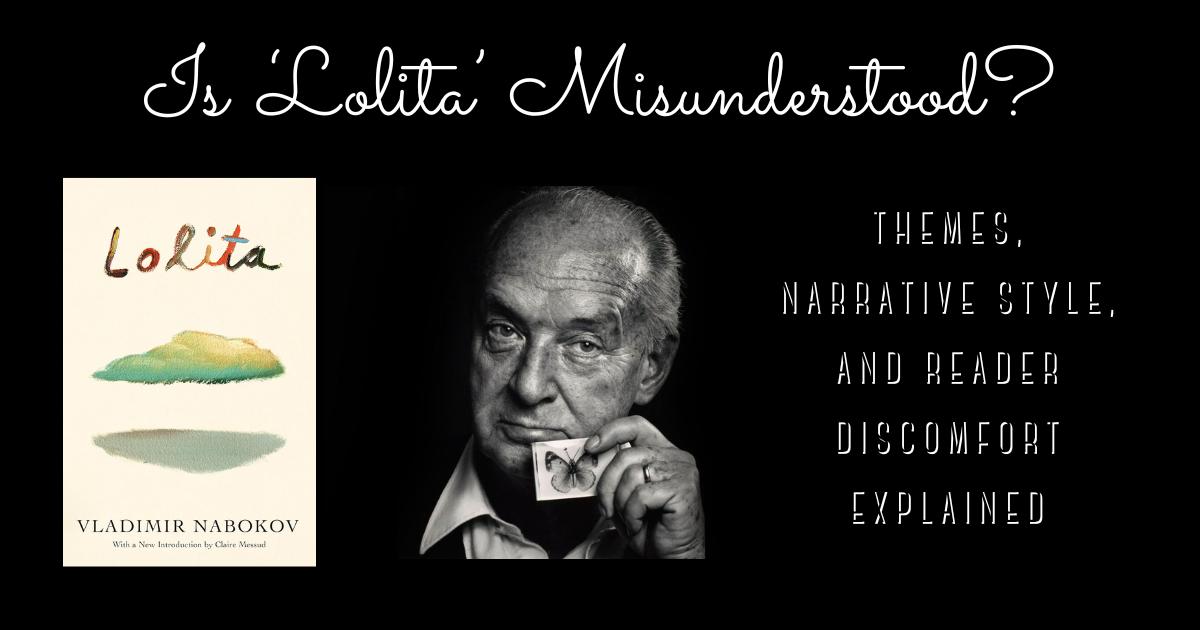 Lolita by Vladimir Nabokov
Few novels provoke as much unease—and as much debate—as Lolita by Vladimir Nabokov. Since its publication in 1955, it has been called everything from a masterpiece of style to a deeply disturbing work that challenges the ethics of reading itself. But to ask whether Lolita is ‘misunderstood’ is to step into the very tension Nabokov carefully constructs: between beauty and horror, language and truth, seduction and violence.
At its core, Lolita is not misunderstood so much as it is deliberately disorienting.
Also read: Two Endings, Two Noras: What Ibsen’s Alternate Version of A Doll’s House Reveals About Europe
The Dangerous Power of Narrative
 [Jeremy Irons portrays Humbert Humbert, alongside Dominique Swain as Dolores Haze (‘Lolita’), in the 1997 film adaptation of Lolita. Image credit: josephnmercado.medium.com]
The novel is famously told through the voice of Humbert Humbert, one of literature’s most unsettling narrators. He is not merely unreliable—he is manipulative, self-aware, and rhetorically brilliant. From the very first line, Humbert attempts to charm the reader, using lyrical language and literary allusions to reshape reality into something more palatable.
‘Lolita, light of my life, fire of my loins. My sin, my soul. Lo-lee-ta: the tip of the tongue taking a trip of three steps down the palate to tap, at three, on the teeth. Lo. Lee. Ta. She was Lo, plain Lo, in the morning, standing four feet ten in one sock. She was Lola in slacks. She was Dolly at school. She was Dolores on the dotted line. But in my arms she was always Lolita.’
—Vladimir Nabokov, Lolita
Critics often point out that Nabokov uses Humbert’s eloquence as a trap. The ‘power of language’ is one of the novel’s central themes: Humbert’s ornate prose ‘distracts, confuses, and charms’, making readers complicit in his perspective. In other words, the discomfort readers feel is not accidental—it is engineered. We are meant to be seduced by the very voice we should reject.
This is where misunderstandings often arise. Some readers, especially in earlier decades, interpreted the novel as a tragic love story. But such readings tend to take Humbert at his word—precisely the mistake Nabokov anticipates. The novel demands that we read against the narrator, noticing the gaps between what he says and what actually happens.
Themes Beneath the Surface
While Lolita is undeniably built on a disturbing premise, it also operates as a complex work of art whose deeper themes invite closer examination. At its core, the novel is about an adult man’s sustained abuse and manipulation of a young girl, a reality that remains deliberately obscured by the narrator’s language. This tension between what is happening and how it is described is precisely what makes the book so deeply discomforting.
Much of the unease surrounding Lolita comes from this dissonance. On the surface, Humbert Humbert presents his story as a tragic, even poetic romance. He aestheticises his obsession, cloaking it in beauty, nostalgia, and literary elegance. But beneath that carefully constructed surface lies a far more troubling truth—one that the reader must actively uncover. The ‘romance’ exists largely in Humbert’s imagination; what the novel reveals, often indirectly, is coercion, control, and the silencing of Dolores Haze.
This is where Nabokov’s genius—and the source of much misunderstanding—resides. The novel forces readers to confront how easily language can reshape moral perception. Humbert’s fixation is not only sexual but also artistic; he treats Lolita as both a subject of desire and an object within his self-styled narrative. In doing so, he blurs the line between love and possession, between beauty and harm.
There is also a quieter, more devastating theme at work: the erasure of Dolores herself. Renamed ‘Lolita’, she becomes a construct within Humbert’s story, her voice fragmented and often absent. The reader catches glimpses of her reality—in moments of resistance, fatigue, or fear—but these are frequently minimised or reframed by the narrator. Modern readings increasingly centre this absence, recognising that the novel’s emotional weight lies not in Humbert’s declarations, but in what he fails—or refuses—to fully acknowledge.
In this way, the beauty of Lolita does not lie in its surface-level romance but in its unsettling depth. It is a novel that uses elegance to expose ugliness, forcing readers to navigate the uncomfortable space between what is said and what is true.
From Page to Screen: The Challenge of Adaptation
The complexity of Lolita becomes even more apparent when we look at its screen adaptations, particularly Lolita (1962) and Lolita (1997). Both films attempt to translate Nabokov’s deeply interior, language-driven narrative into a visual medium—an inherently difficult task.
Kubrick’s version, shaped by the censorship constraints of its time, leans on suggestion, irony, and dark humour, often muting the novel’s most disturbing elements. In contrast, Lyne’s adaptation presents a more emotionally explicit interpretation, bringing the story’s tragedy closer to the surface. Yet both struggle with the same fundamental limitation: without Humbert’s seductive narration, the story loses its central mechanism of manipulation.
What emerges more clearly on screen is the narrative's starkness. Stripped of linguistic embellishment, the moral reality becomes harder to obscure. These adaptations, in their own way, reinforce Nabokov’s brilliance—they reveal that Lolita is not just a story, but a carefully constructed experience of perspective.
The Unreliable Narrator and Reader Complicity
One of Nabokov’s most radical choices is to make the reader an active participant in the narrative’s moral tension. Humbert does not simply tell a story—he argues a case. He anticipates judgment, deflects criticism, and appeals to the reader’s sympathy.
As scholars note, readers must immerse themselves in Humbert’s language to uncover the truth, which creates an uncomfortable proximity to his perspective. This is the novel’s central paradox: to understand the horror, one must first be drawn into it.
This technique transforms Lolita into more than a narrative; it becomes an ethical experience. The reader is forced to ask: At what point did I begin to believe him? At what point did I resist?
Such questions explain why the novel continues to unsettle. It is not just about Humbert’s actions—it is about the reader’s response to them.
Why the Discomfort Matters
The discomfort surrounding Lolita is often seen as a flaw or a barrier to appreciation. In reality, it is the novel’s defining feature. Nabokov constructs a text in which aesthetic pleasure and moral revulsion coexist, refusing to let the reader settle into either.
Historically, this tension has led to wildly different interpretations. Some early critics framed the novel as a love story, while more recent perspectives emphasise its depiction of abuse and manipulation. Contemporary discussions, particularly in light of evolving conversations around consent and power, have shifted the focus toward Dolores as a victim whose story is obscured by Humbert’s narration.
This evolving interpretation does not necessarily mean the novel was misunderstood before; rather, it reflects how Lolita resists a single, stable meaning. Its ambiguity is not a weakness but a deliberate strategy.
Is Lolita Misunderstood?
The question itself may be misleading. Lolita is not a novel that yields a clear moral or emotional position. Instead, it is designed to expose how easily perception can be distorted—by language, by perspective, by desire.
If anything, the novel is often misread when taken at face value. To read Lolita as a straightforward romance is to fall into Humbert’s trap. To read it solely as a moral condemnation, however, risks overlooking its intricate exploration of art, narrative, and subjectivity.
Perhaps the most accurate way to approach Lolita is to accept its contradictions. It is a work of extraordinary beauty about something profoundly ugly. It is both seductive and repellent. It demands admiration for its craft while resisting emotional comfort.
In the end, Lolita endures not because it resolves these tensions, but because it refuses to. It leaves the reader suspended between understanding and unease—an experience that is, in itself, the point.
Your next read: Love vs Autonomy: How Women Classic Authors Rewrote Romance