
Parent Categories



Related Products


Related Books
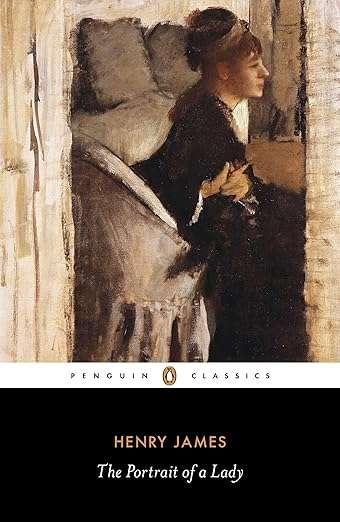


Top 5 Henry James Books Ranked: Which Ones Are Worth Reading First?
 5 Henry James Books
If you ask celebrated 20th-century writers like James Baldwin, Toni Morrison, or Philip Roth who they admired most, there’s a good chance the answer would be Henry James. Best known for his beloved classic The Portrait of a Lady, James shaped the course of modern fiction and left a lasting impression on generations of readers and writers alike. Even literary critics, for all their scrutiny, often found themselves in awe of his work.
Nominated for the Nobel Prize in Literature three times, James explored themes like complex human psychology, the subtle dynamics between men and women, and moral tensions. In a life devoted to writing, he produced an astonishing body of work: novels, novellas, short stories, plays, travel writing, autobiography, criticism, and over 10,000 letters.
But let’s be honest—picking up Henry James for the first time can feel a little intimidating. The good news? There are great entry points. Let’s start with the Henry James classics that are accessible for first-time reading, perfect for easing your way into his world.
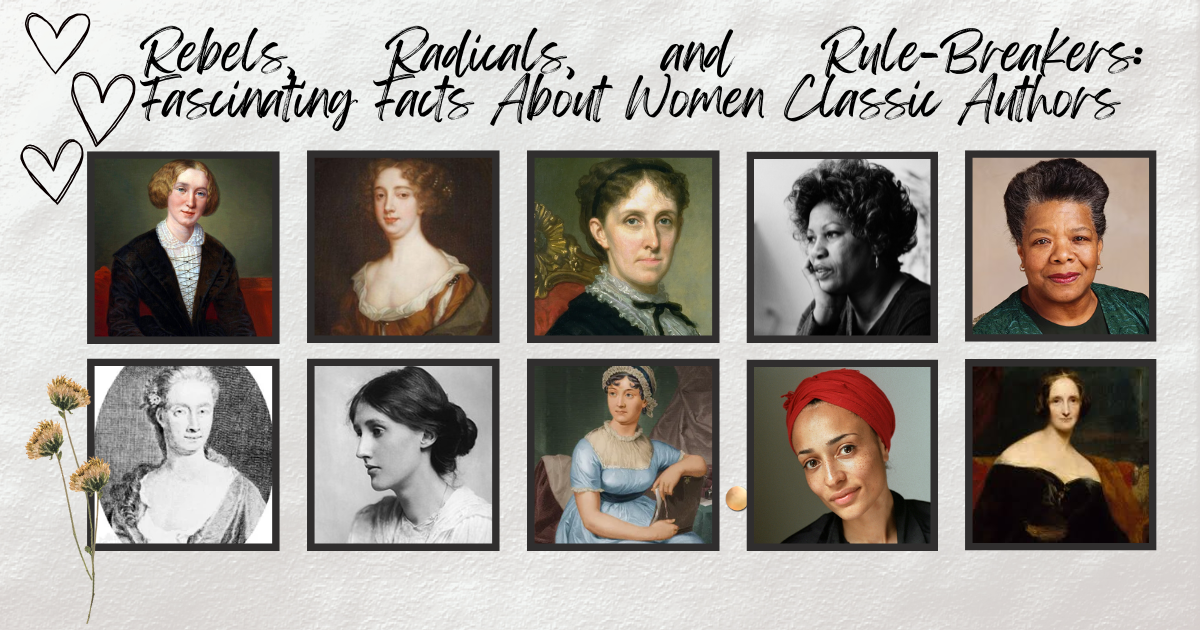
Also read: 12 Classic Poems You Should Read This National Poetry Month
1. The Portrait of a Lady
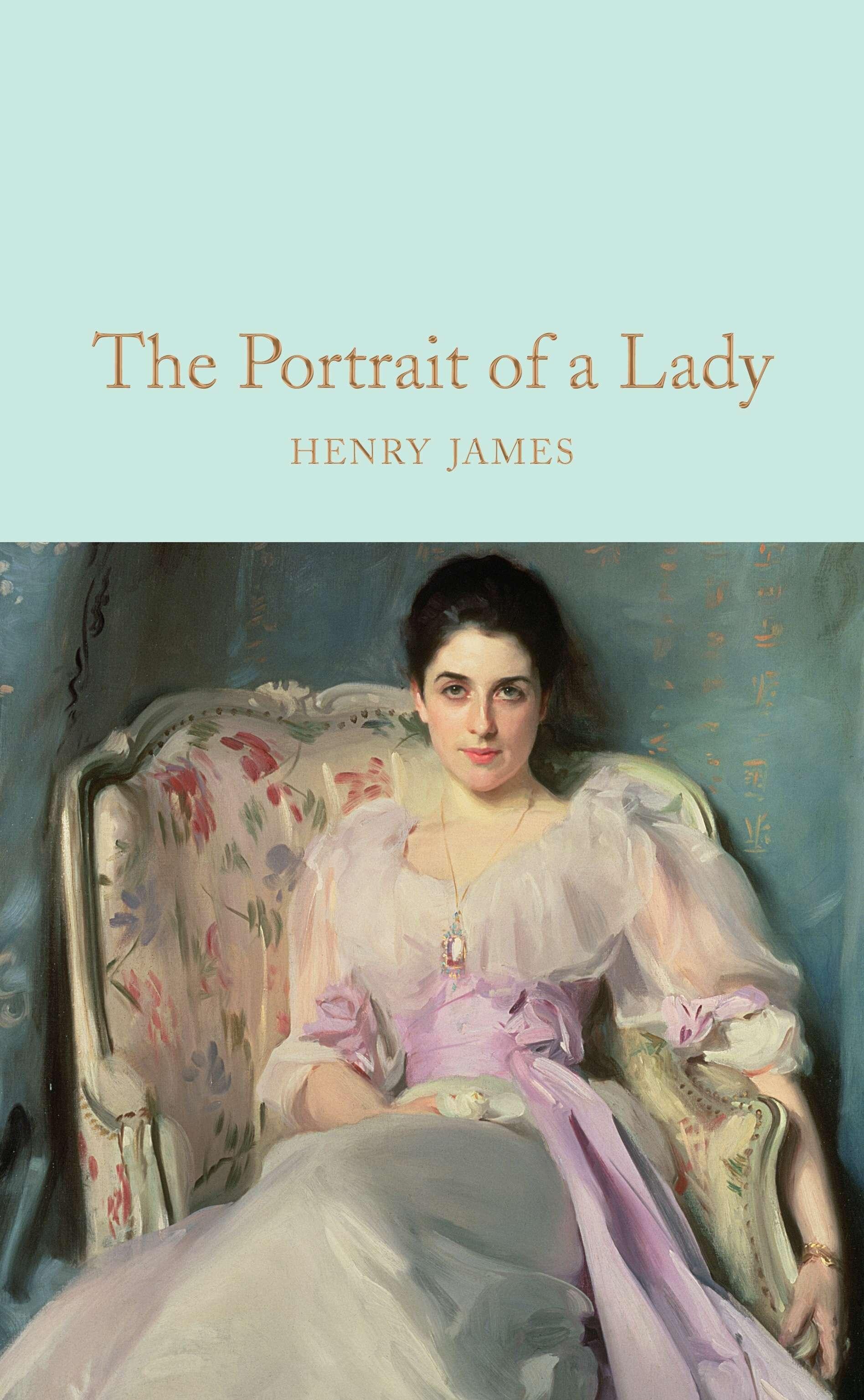
“She had an immense curiosity about life, and was constantly staring and wondering.”
If there’s one novel that truly defines Henry James, this is it. While it may not be a “quick” and “easy” read, The Portrait of a Lady is an obvious pick for most people. At the heart of it is a smart, beautiful, independent young American who travels to Europe in search of freedom, only to find herself caught in choices that slowly close in around her. It’s enriched with layered themes like freedom vs. constraint, the role of women in society, the consequences of inequality of wealth, and the lasting weight of personal choices.
2. Daisy Miller

“I have never allowed a gentleman to dictate to me, or to interfere with anything I do.”
If The Portrait of a Lady feels a bit intimidating, Daisy Miller is the perfect place to start with Henry James. This short and engaging novella follows a young American woman travelling through Europe, whose free-spirited nature puts her at odds with strict social conventions. Through Daisy’s story, James explores themes of innocence, judgment, and cultural clash in a way that feels clear and accessible. It’s an easy, enjoyable introduction to his style—without the heavy complexity of his longer novels.
3. The Turn of the Screw
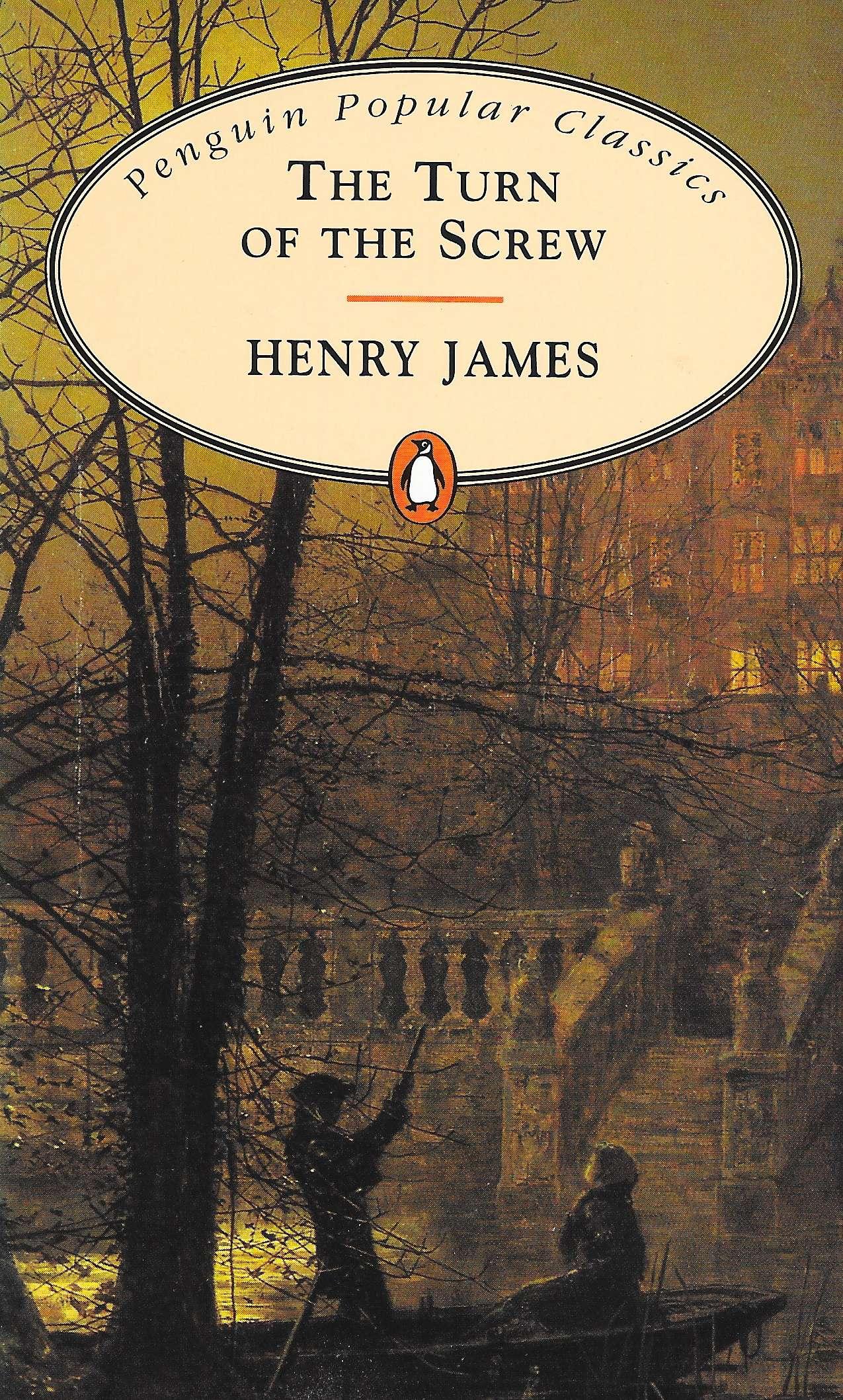
“No, no—there are depths, depths! The more I go over it, the more I see in it, and the more I see in it, the more I fear. I don’t know what I don’t see—what I don’t fear!”
If you prefer something darker and more gripping, this is Henry James at his most haunting. The Turn of the Screw follows a governess who becomes convinced that the children in her care are being influenced by sinister forces. What makes it unforgettable is its ambiguity—is it a ghost story, or something psychological? Short, tense, and eerie, it’s one of his most readable works and perfect if you enjoy suspense with depth.
4. Washington Square

“Don’t underestimate the value of irony—it is extremely valuable.”
If you’re in the mood for something subtle but quietly powerful, Washington Square is a great pick. Henry James trades grand drama for emotional tension here, telling the story of Catherine Sloper—a shy, overlooked young woman caught between a cold, critical father and a charming suitor who may not be what he seems. The conflicts are deeply personal, and the emotions are restrained yet intense in the novel. It’s simple on the surface, but lingers long after you’ve finished.
5. The Golden Bowl

“My first impulse is always to behave, about everything, as if I feared complications. But I don't fear them—I really like them. They're quite my element.”
If you’ve made it this far, you’re ready for Henry James at his most intricate. The Golden Bowl dives deep into marriage, secrets, and the quiet tensions beneath seemingly perfect relationships. The story unfolds slowly, revealing emotional betrayals and subtle manipulations within a close circle of characters. This isn’t the easiest read—but that’s the point. It’s rich, layered, and demands your attention, rewarding you in equal measure.
The Master Who Changed How We Read
In the end, Henry James doesn’t just leave us with memorable characters or elegant prose; he leaves us with questions that linger. His stories rarely offer neat resolutions; instead, they draw us into the inner lives of his characters, making us reflect on choices, relationships, and the quiet consequences that follow.
This is also why he came to be known as “The Master” among critics. He had an unmatched ability to capture the subtle workings of the human mind, turning ordinary moments into profound psychological drama with remarkable precision and control.
That is James’s true legacy: writing that doesn’t just tell a story, but changes the way you read—and see—the world.
Your next read: Top 10 William Wordsworth Poems You Should Read