

Parent Categories



Related Products



Related Books



8 Classics That Hit Completely Differently When You Re-Read Them as an Adult
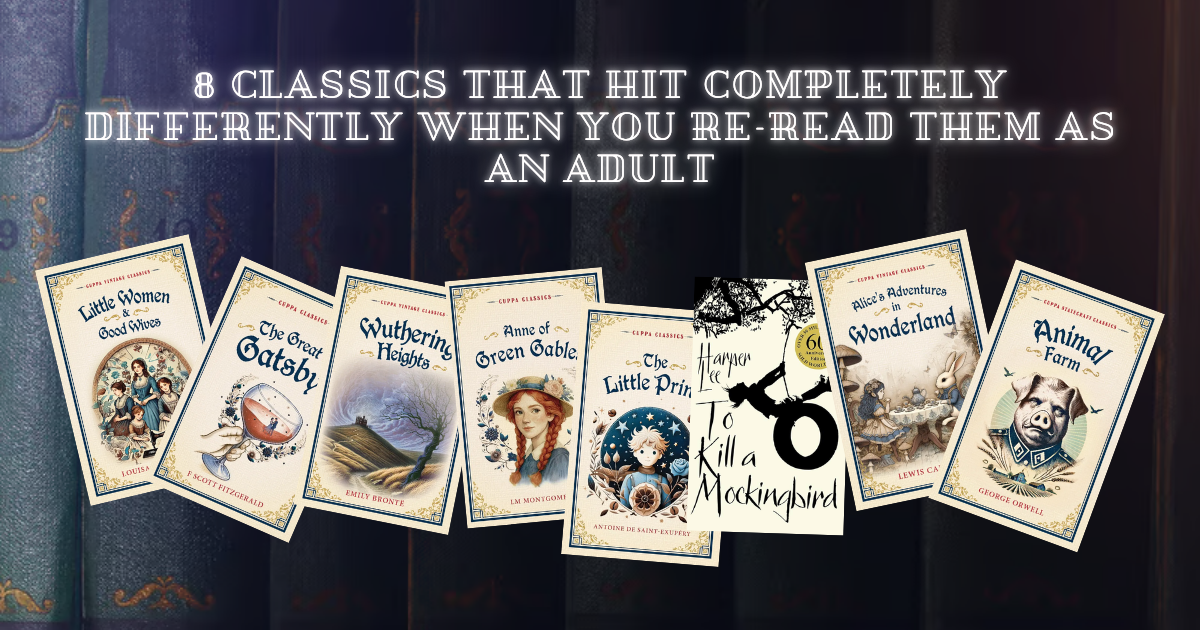 These 8 classics as Adutls
There is a peculiar kind of heartbreak reserved for rereading a beloved classic years later and realising the book has changed—when, in truth, it is you who changed. The stories that once felt comforting, adventurous, romantic, or whimsical begin revealing darker corners, hidden griefs, hushed compromises, and truths you were too young to notice the first time around.
As children and teenagers, we often read for plot. As adults, we read for subtext. We begin noticing loneliness behind humour, exhaustion beneath kindness, and social critique tucked inside beautiful prose. A second reading can feel almost like meeting an old friend after decades apart: familiar, yet startlingly different.
These eight classics are especially transformative on a reread. They do not merely age well—they grow alongside you.
Also read: Grow Old Along With Me: Robert Browning's Love Letters to Literature (and to Elizabeth)
1. Little Women by Louisa May Alcott
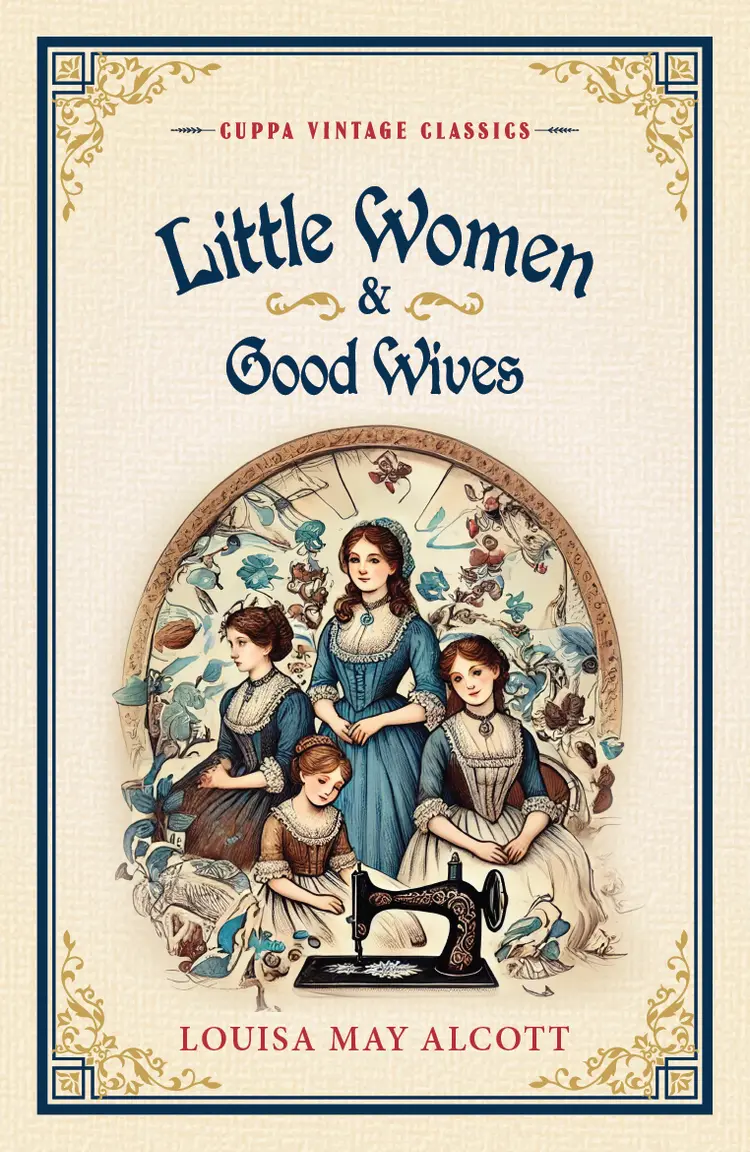
As children, many readers approach Little Women as a warm story about sisters, family, and growing up. Jo March feels rebellious and inspiring, Amy seems annoying, Beth tragic, and Meg ‘too grown-up’.
But adulthood changes the emotional centre of the novel entirely.
You begin to notice how deeply economic anxiety shapes the March sisters’ lives. Their dreams are constantly negotiated against money, marriage, gender expectations, and survival. Meg’s exhaustion with domestic life feels more real. Amy’s practicality suddenly makes sense. Even Jo’s fiery independence carries an undertone of grief, because adulthood teaches you how often ambition must wrestle with compromise.
And then there is Marmee. As children, we see her as endlessly patient. As adults, her famous confession about struggling with anger becomes one of the most honest moments in the book. Suddenly, she is no longer just a comforting mother figure—she is a woman working every day to become kinder than her circumstances allow.
2. The Great Gatsby by F Scott Fitzgerald
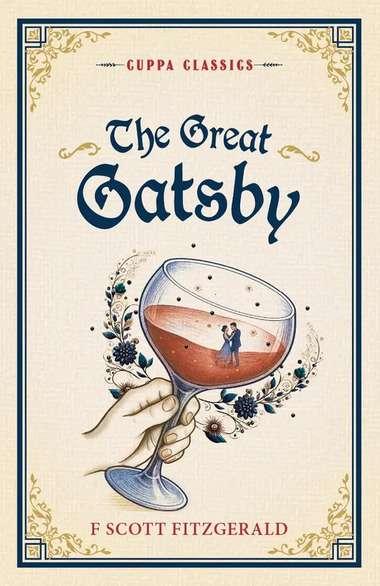
The first time many people read The Great Gatsby, it feels glamorous. Lavish parties, impossible romance, champagne-fuelled longing—the novel can appear dazzling and tragic in equal measure.
Then adulthood strips away the glitter.
On rereading, Gatsby himself feels less romantic and more painfully delusional. His obsession with Daisy is no longer pure devotion; it becomes a fixation rooted in nostalgia and fantasy. Daisy, too, changes upon rereading. Younger readers often judge her harshly, but adult readers may recognise the suffocating limitations placed upon women of her world, even while acknowledging her carelessness.
What truly stands out as an adult is the emptiness beneath wealth. Fitzgerald’s novel becomes less about romance and more about class, performance, and the loneliness of chasing an illusion that can never survive reality.
And perhaps the most unsettling revelation is this: many adults eventually recognise parts of themselves in Gatsby’s desperate desire to recreate a perfect past.
3. Wuthering Heights by Emily Brontë
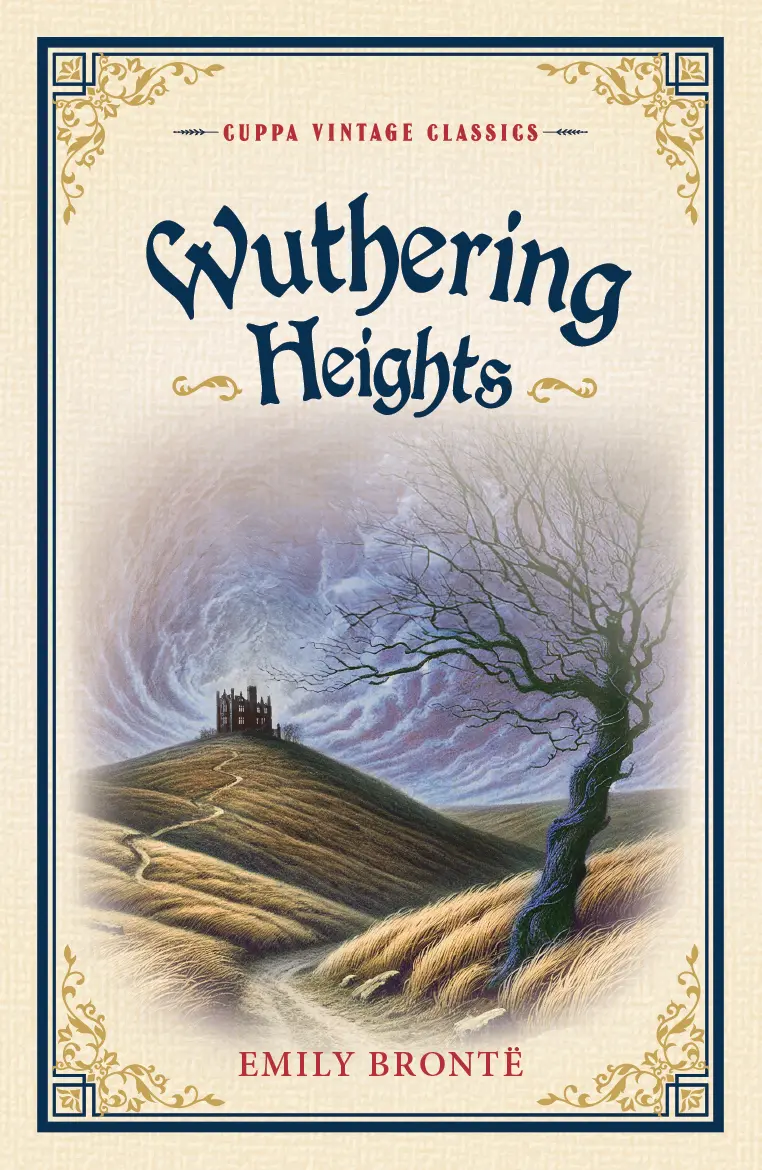
Teenage readers often mistake Wuthering Heights for a passionate love story. Heathcliff and Catherine can seem thrillingly intense—the ultimate doomed romance.
Adulthood reveals something far darker.
On rereading, the novel becomes a study of obsession, cruelty, generational trauma, racism, classism, and emotional destruction. Heathcliff no longer appears merely tortured; he is frightening in his capacity for revenge. Catherine’s volatility feels tragic rather than romantic. Their relationship stops looking aspirational and starts looking catastrophic.
Yet this is precisely why the novel becomes even more fascinating with age.
Adult readers can better appreciate the psychological complexity of the characters and the wild emotional landscape Emily Brontë created. The Yorkshire moors no longer feel simply gothic and atmospheric; they begin reflecting the chaos within the characters themselves.
It is not a love story in the comforting sense. It is a story about what happens when love curdles into possession and when the idea of revenge overpowers humans.
4. Anne of Green Gables by LM Montgomery

As children, readers fall in love with Anne Shirley’s imagination. Her dramatic speeches, accidental disasters, and endless curiosity make Anne of Green Gables joyful and charming.
As adults, however, Anne’s loneliness becomes impossible to ignore.
You notice that this endlessly talkative child is desperately trying to make herself lovable after a difficult childhood filled with rejection and instability. Her imagination is no longer merely quirky—it becomes a survival mechanism.
Matthew Cuthbert also changes profoundly on rereading. Many adults find themselves unexpectedly emotional over his quiet tenderness and inability to express affection openly. His love for Anne feels heartbreakingly gentle.
The novel remains comforting, but adulthood reveals how much of that comfort comes from Anne finally finding safety, belonging, and people who choose her willingly.
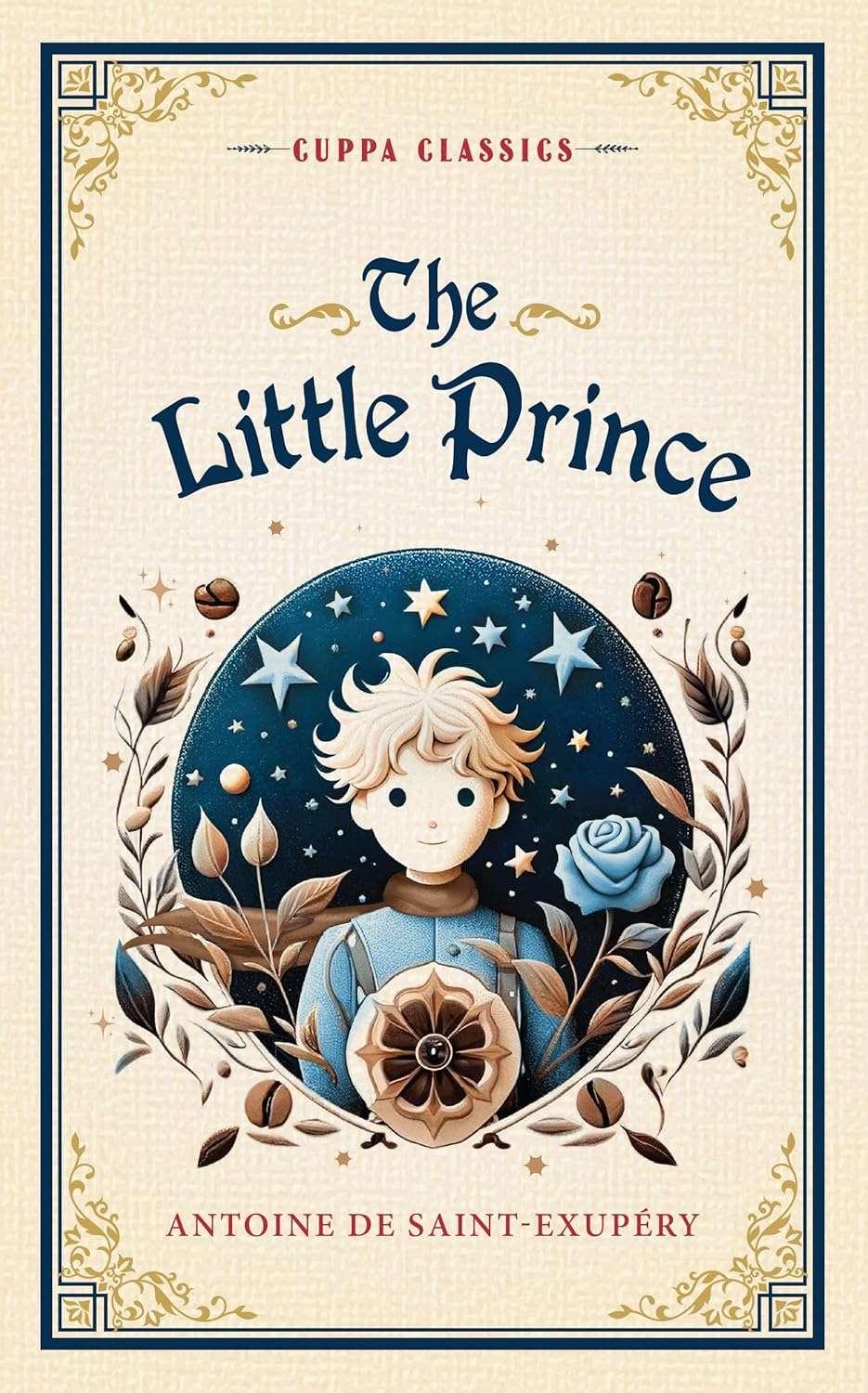
5. The Little Prince by Antoine de Saint-Exupéry
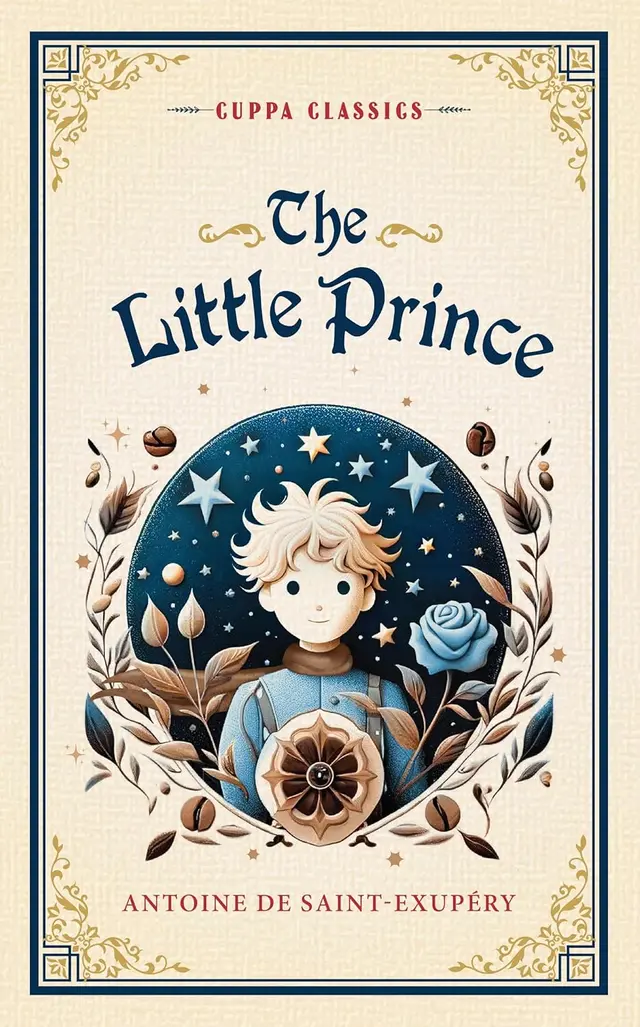
Children often read The Little Prince as a whimsical fable filled with strange planets and memorable characters.
Adults discover it is quietly devastating.
Nearly every encounter in the novella becomes sharper with age: the businessman obsessed with ownership, the king hungry for authority, the drunkard trapped in shame. What once seemed amusing suddenly resembles the absurdities of adult life.
And then there is the fox’s famous lesson about love and responsibility. As children, it sounds beautiful. As adults, it feels almost unbearably true.
The book’s melancholy also lands differently with age. Beneath its simplicity lies grief, loneliness, and a longing to preserve wonder in a world that slowly teaches people to prioritise productivity over imagination.
Rereading it as an adult often feels like receiving a gentle reminder not to lose the parts of yourself that once saw the world clearly.
6. To Kill a Mockingbird by Harper Lee
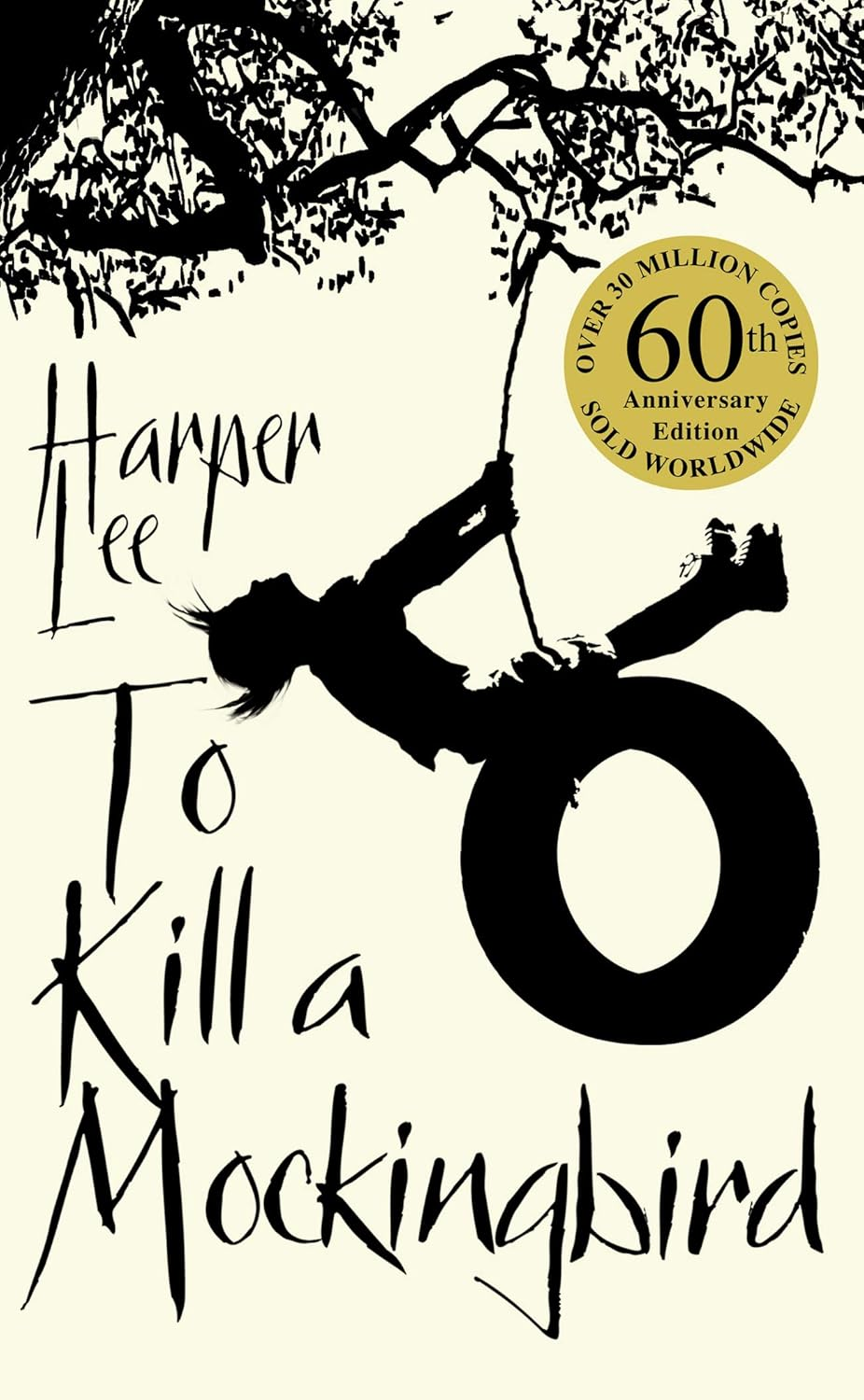
In school, many readers encounter To Kill a Mockingbird primarily as a story about justice and morality seen through a child’s eyes.
As adults, the novel becomes more layered and uncomfortable.
You begin noticing the exhaustion beneath Atticus Finch’s calm dignity. The racism in Maycomb no longer feels like distant history; it feels frighteningly recognisable. Tom Robinson’s fate becomes less shocking and more tragically inevitable in a system designed against him.
Scout’s innocence also hits differently. Adult readers understand how rare and fragile empathy truly is, which makes her gradual understanding of human complexity all the more moving.
What changes most on rereading is the realisation that courage in the novel is often quiet, lonely, and unsuccessful—yet necessary anyway.
7. Alice’s Adventures in Wonderland by Lewis Carroll

As a child, Alice’s Adventures in Wonderland feels delightfully nonsensical. Talking cats, mad tea parties, shrinking potions—it is pure imaginative chaos.
Adults begin seeing the satire underneath the absurdity.
The endless contradictions, circular conversations, arbitrary rules, and impossible social expectations suddenly resemble the adult world far more than childhood fantasy. Wonderland becomes a place where logic constantly fails, authority figures behave irrationally, and identity feels unstable.
In other words, adulthood.
Alice herself becomes more relatable on rereading. Her frustration, confusion, and attempts to behave ‘properly’ in a world that makes no sense feel surprisingly familiar to anyone trying to navigate modern life.
The book remains playful, but adulthood reveals just how cleverly Lewis Carroll captured the absurd theatre of society.
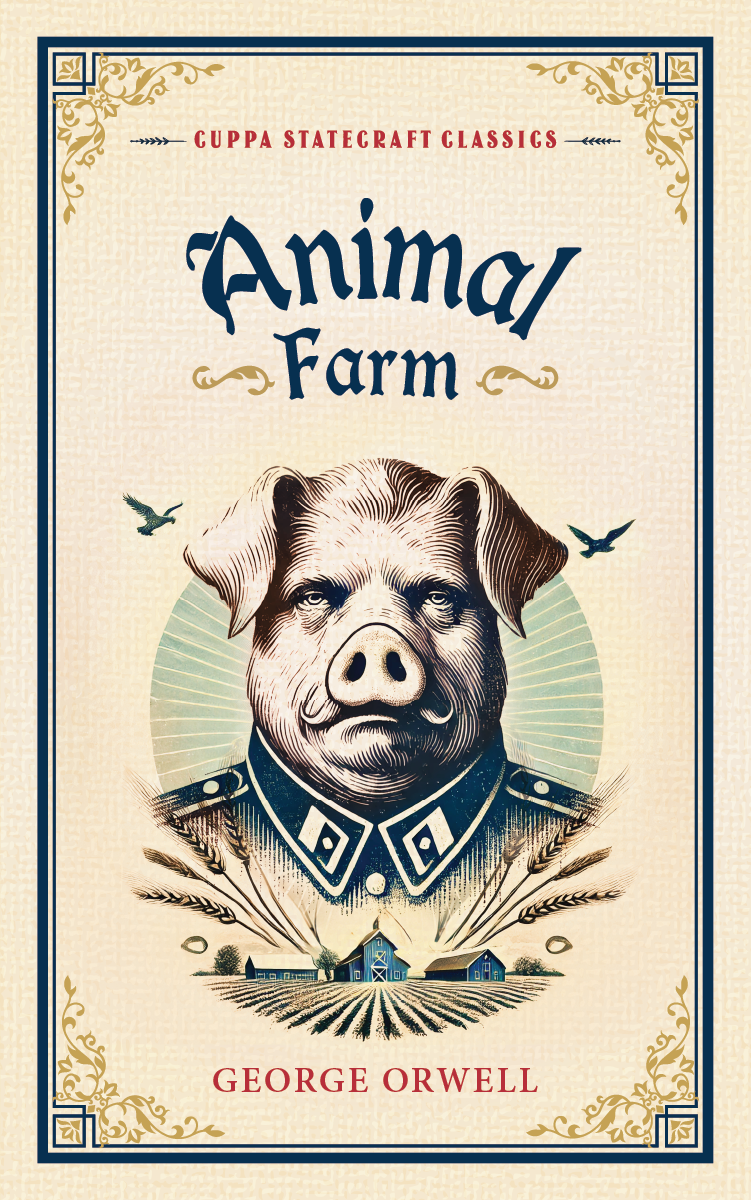
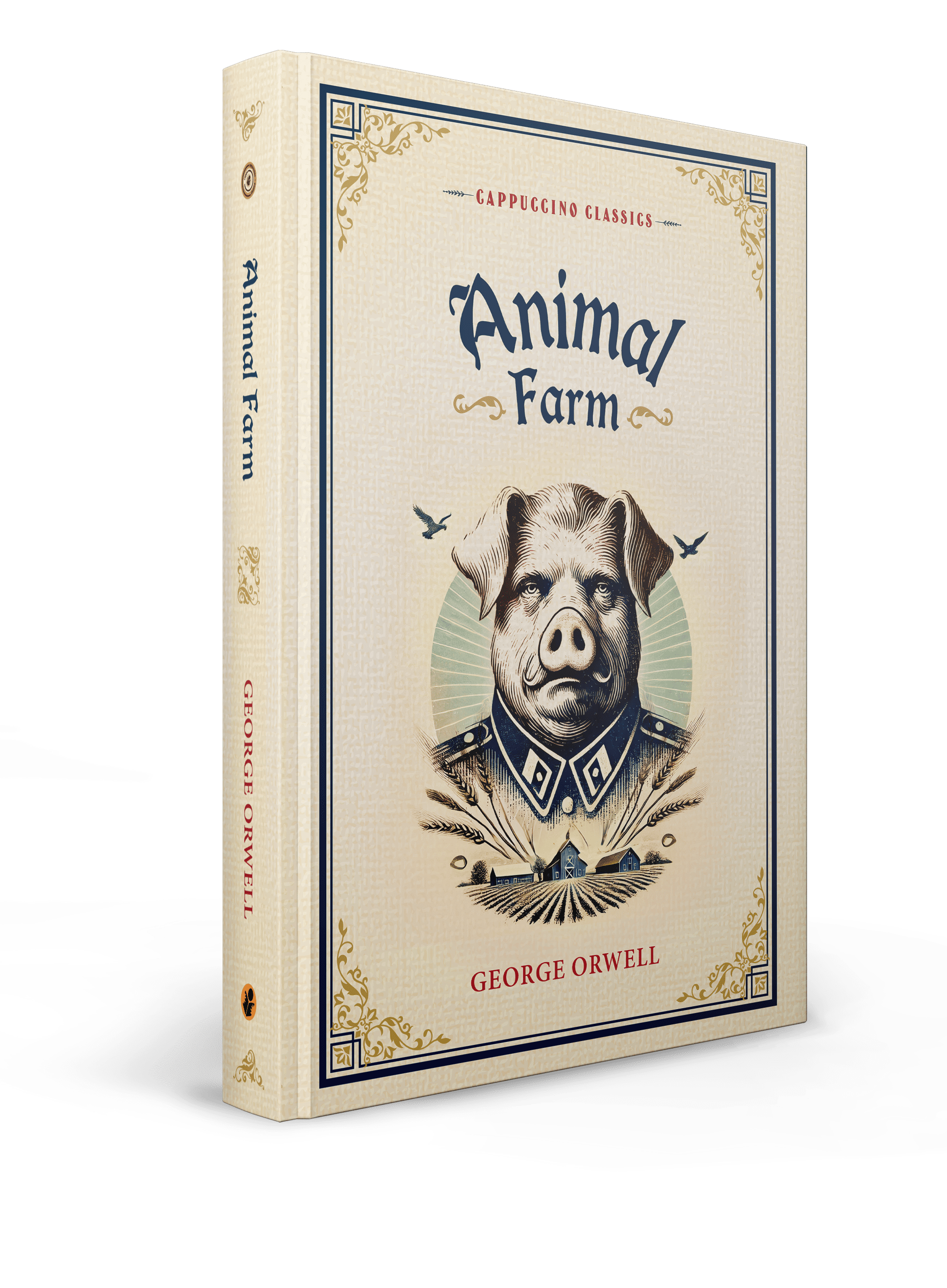
8. Animal Farm by George Orwell
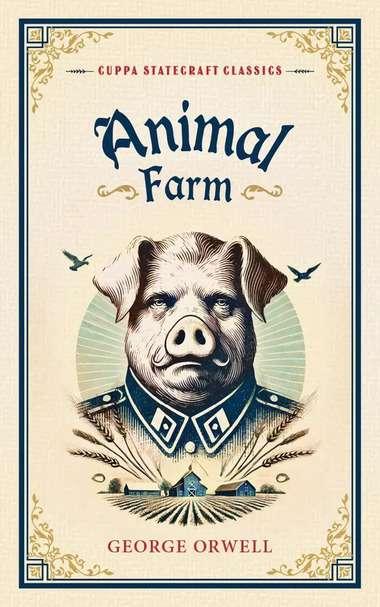
Many readers first encounter Animal Farm in school as a straightforward political allegory.
Then adulthood arrives, along with experience, news cycles, workplace hierarchies, propaganda, and institutional distrust.
Suddenly, Orwell’s novella feels terrifyingly current.
The manipulation of language becomes more chilling on rereading. The gradual erosion of truth feels painfully realistic. Adult readers understand how easily exhaustion, fear, and convenience can make people accept injustice little by little.
Boxer, especially, becomes heartbreaking in adulthood. His blind loyalty and relentless hard work stop feeling admirable and start feeling tragic. Most adults eventually know what it means to give everything to a system that would never protect them in return.
What makes Animal Farm endure is not simply its politics, but its understanding of human behaviour—and how easily power reshapes memory itself.
Why These Classics Stay With Us
The best classics do not remain static. They evolve because we do.
Every heartbreak, responsibility, disappointment, friendship, compromise, and moment of joy changes the way we interpret stories. Books we once thought we understood reveal entirely new meanings years later.
That is the magic of rereading. It is less about revisiting the same book and more about discovering the person you have become since the last time you turned those pages.
Some stories entertain us once. The truly timeless ones keep rewriting themselves inside us forever.
Your next read: Tagore at the Table: 5 Things We’d Ask the Man Who Wrote Gitanjali Over Chai