

Parent Categories

Related blogs


Related Products


Related Books


5 Reasons Wide Sargasso Sea by Jean Rhys Is the Ultimate Literary Prequel
 Wide Sargasso Sea by Jean Rhys
Art inspires art. Stories spark new stories. Few novels prove this better than Jean Rhys's Wide Sargasso Sea (1966), a brilliant reimagining of Charlotte Brontë's Jane Eyre. Rather than retelling a familiar tale, Rhys asks readers to reconsider one of literature's most mysterious characters: Bertha Mason, the "madwoman in the attic."
If you've read Jane Eyre, chances are you saw Bertha as little more than an obstacle, the madwoman standing between Jane and Rochester's happily ever after. Rhys flips that perspective entirely. She gives Bertha a name—Antoinette Cosway—a childhood, a voice, and a heartbreaking story that explains how she came to be locked away in Thornfield Hall. She presents Bertha as a human.
As a prequel, Wide Sargasso Sea challenges readers to question who gets to tell a story and how easily a single perspective can shape our understanding of a character. Here are five reasons it's still considered one of the greatest literary prequels ever written.
Also read: Charlotte Brontë’s Writing Style Explained: What Makes Her Work Timeless
1. It Gives Bertha Mason a Voic
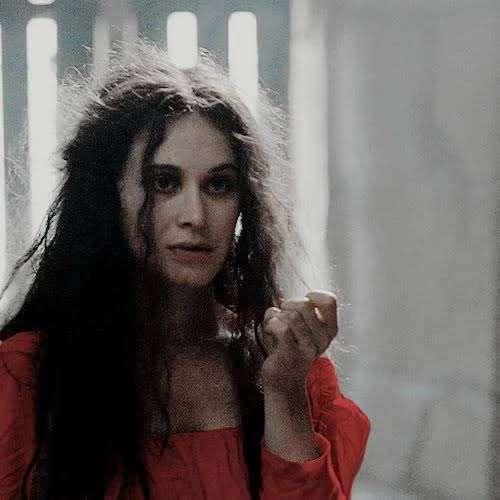 [Image Credit: Feminism in India]
“You can pretend for a long time, but one day it all falls away and you are alone. We are alone in the most beautiful place in the world...”
Jean Rhys gives Bertha her birth name, an identity, a past, a voice of her own. In Jean Rhys's novel, Bertha is introduced as Antoinette Cosway, a young Creole woman growing up in Jamaica after the abolition of slavery. Before she was a madwoman in an attic, she was a vulnerable young woman with a difficult past. Her husband, Rochester, renames her "Bertha" and eventually confines her in England; readers finally understand the tragedy behind the character. Rhys transforms a one-dimensional figure into one of literature's most unforgettable women.
2. It Recontextualises Jane Eyre
“I have been too unhappy, I thought, it cannot last, being so unhappy, it would kill you”
One of the greatest strengths of Wide Sargasso Sea is how it changes the way you read Jane Eyre. After seeing the story through Antoinette's eyes, Rochester no longer appears as the unquestioned romantic hero. His controlling behaviour, refusal to understand his wife’s complex past, and decision to rename Antoinette as "Bertha" take on a much darker meaning. Rhys doesn't contradict Charlotte Brontë's classic; she adds the missing perspective behind its most mysterious character. As a result, Jane Eyre becomes richer and more morally complex, encouraging readers to question whose version of the story has been accepted as the truth.
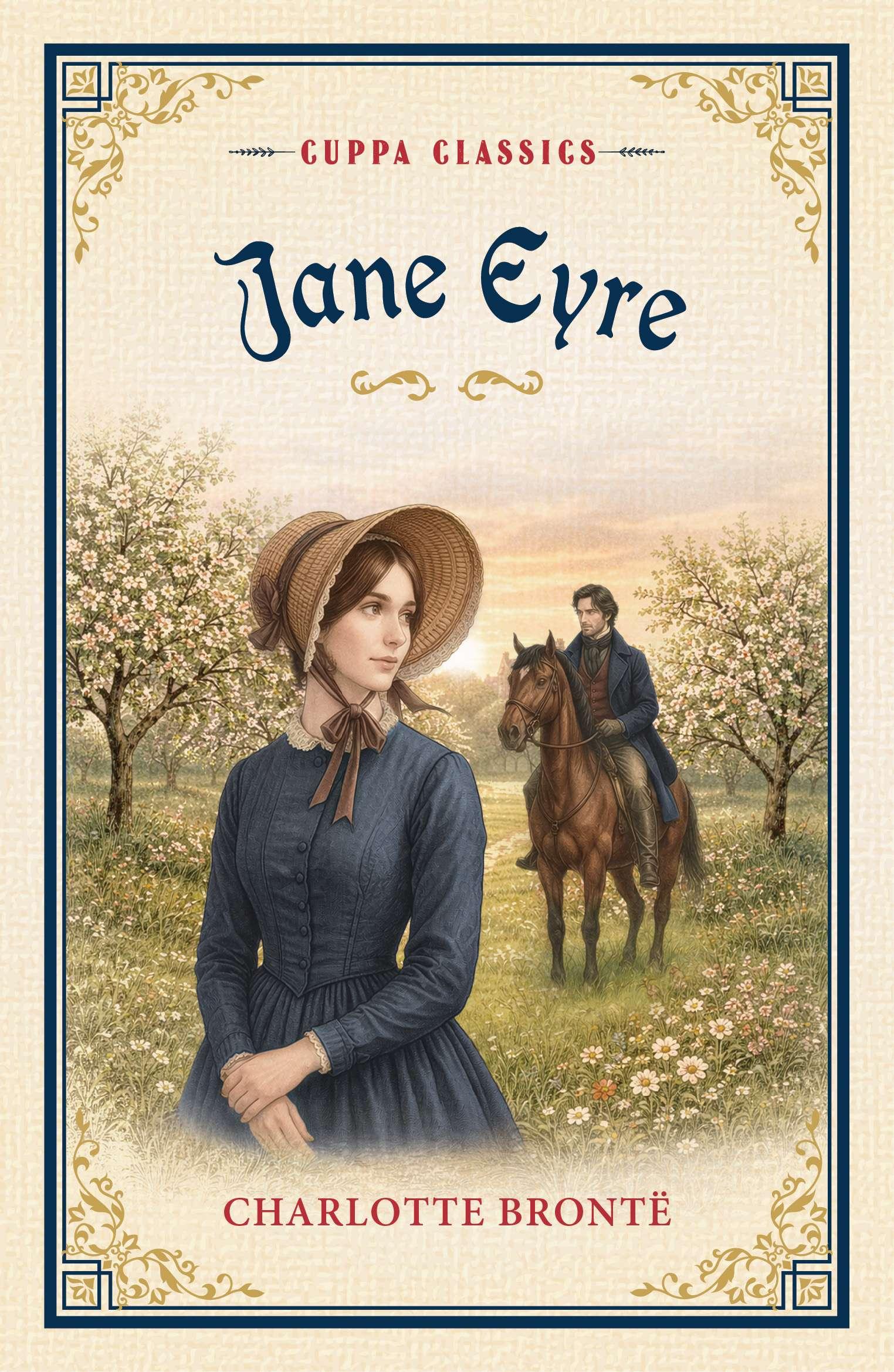
Buy here: Jane Eyre
3. It Deepens the Themes of Identity and Madness
 [Mertha’s Attic, Image Credit: Cove, Artists: Edmund Dulac, Fritz Eichenberg, Unknown]
“If I was bound for hell, let it be hell. No more false heavens. No more damned magic. You hate me and I hate you. We’ll see who hates best. But first, first I will destroy your hatred. Now. My hate is colder, stronger, and you’ll have no hate to warm yourself. You will have nothing.”
There’s empathy and nuance in the way Jean Rhys views identity and the slow transition into madness. Antoinette struggles to belong as a white Creole woman in post-emancipation Jamaica, and her sense of self unravels further when Rochester renames her, erasing her identity. By the novel's end, her descent into madness feels less like destiny and more like the tragic result of trauma, loneliness, and the loss of agency, adding emotional depth to Jane Eyre's infamous attic scene.
4. It Takes the Reader Into the After Effects of Oppressive Colonialist Society
“They say when trouble comes close ranks, and so the white people did.”
Set in Jamaica after the abolition of slavery, the protagonist finds herself in a society that is still haunted by colonialism. Although slavery has ended, racial tensions, class divisions, and resentment continue to shape everyday life. Antoinette belongs to neither the Black Jamaican community nor the English elite, leaving her caught between two worlds. Through her experiences, Jean Rhys shows how colonialism damages everyone it touches, creating fractured identities, mistrust, and violence that linger long after political change.
5. It Stands as a Masterpiece in Its Own Right
“She’ll have no lover, for I don’t want her and she’ll see no other.”
While Wide Sargasso Sea is often celebrated as a prequel to Jane Eyre, it is far more than a companion novel. Jean Rhys crafts a powerful story that stands on its own through lyrical prose, rich symbolism, and unforgettable characters. Themes of identity, race, gender, colonialism, and belonging give the novel a timeless relevance that extends beyond its literary connection to Brontë's classic.
Even readers unfamiliar with Jane Eyre can appreciate its emotional depth and haunting atmosphere. Rather than relying on the original for significance, Wide Sargasso Sea earns its place as one of the most influential and enduring novels of the twentieth century.
Jean Rhys and the Art of Reimagining a Classic
Not every writer can revisit a beloved classic and leave it feeling richer than before. Jean Rhys managed exactly that. Rather than competing with Jane Eyre, she wrote a novel that stands beside it, inviting readers to return to Brontë's classic with new questions and a fresh perspective. That's no small feat.
On Jean Rhys's birthday, there's no better time to appreciate the writer who reminded us that every story has another side. Wide Sargasso Sea is proof that the best retellings don't replace the original; they deepen our understanding of it.
Your next read: Women Who Walked Away: Feminist Icons from Classic Novels