

Parent Categories



Related Products


Related Books


Women Who Walked Away: Feminist Icons from Classic Novels
 Feminist Icons from Classic Novels
There are women who are forced to accept the life society handed to them. And then there are women who looked at the life society handed them—the husband, the corset, no room for self—and said: no, thank you.
In an era when the majority of women were the former, there emerged women in fiction and literature who chose to be the latter. These women were written in an age that didn’t yet have a word for defining their newly found individuality and voice. These feminist icons walked out of drawing rooms, off pedestals, and away from men who believed love meant ownership. They weren’t always loud about it. Some left with a slamming door. Some left with a dignity so sharp it cut. All of them took a stand for what they believed in and didn’t look back.
In this blog, we celebrate such women in classics who refused to be pushed down—and the writers brave enough to put them on the page.
Also read: The Men They Knew: Masculinity in the Works of Classic Women Authors
Hester Prynne from The Scarlet Letter

“...many people refused to interpret the scarlet A by its original signification. They said that it meant Able; so strong was Hester Prynne, with a woman’s strength.”
In The Scarlet Letter, Hester Prynne is cast out, publicly shamed, and forced to wear her “sin” for all of Puritan Boston to see. Society bashes her with the scarlet letter—but Hester turns it into an identity. She refuses to repent for her circumstances, and what was meant to break her becomes a mark of quiet, unshakeable power.
She raises her daughter Pearl alone, sews to survive, and serves the very community that condemns her. And through it all, she never reveals her lover. In a world demanding her submission and exposure, she keeps one thing entirely her own: her choice.
Nathaniel Hawthorne wrote Hester as a fallen woman. Readers, across centuries, have seen something else—a woman who endured a hypocritical society’s judgment and refused to be crushed by it.
Jane Eyre from Jane Eyre

"I am no bird; and no net ensnares me: I am a free human being with an independent will."
Charlotte Brontë gave Jane Eyre every reason to settle. She was an orphan, plain by Victorian standards, penniless, and utterly alone in the world. Rochester was rich, passionate, and in love with her. Even after discovering Rochester's secret wife, saying yes would have been the practical thing at the time, in the name of love. She said no.
She doesn't tell herself, love is enough. She leaves. She leaves because she knows exactly who she is, and she refuses to betray that even for a man she loves deeply, even at enormous personal cost. Jane didn't need rescuing. She needed to be met as an equal. And she waited, on her own terms, until that was possible.
Elizabeth Bennet from Pride and Prejudice
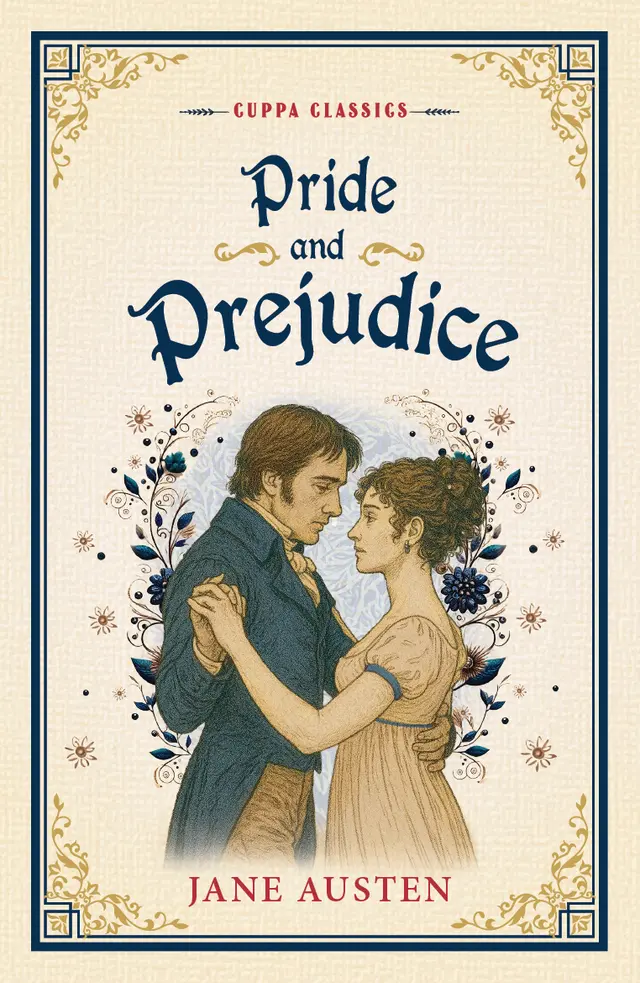
“I could easily forgive his pride, if he had not mortified mine.”
Elizabeth Bennet lived in a world with one acceptable ambition for women: marry well, and marry fast. With an entailed estate, an anxious mother, and four sisters all depending on the same narrow matrimonial market, the pressure on her to take what she could get was very real.
She got two proposals. She turned down both. In the arch of an eyebrow, a well-timed retort, a refusal to be intimidated by wealth or rank or the suffocating expectations of everyone around her. She moves through a world designed to diminish her and somehow comes out larger than when she entered every room.
She didn't want a provider. She wanted a partner. Someone who would meet her mind, challenge her, and respect her. She didn't walk away from love. She walked away from anything that looked like love but wasn't.
Buy here: Pride and Prejudice
Lily Bart from The House of Mirth

“She had no tolerance for scenes which were not of her own making.”
Lily Bart from The House of Mirth had exactly the kind of beauty that opens drawing room doors in Gilded Age New York. She knew the game. She was good at it. And she couldn't quite bring herself to play it all the way through.
Over the course of The House of Mirth by Edith Wharton, Lily watches opportunity after opportunity slip through her fingers—not by accident, but by choice. She could have married Gryce, a dull, wealthy man who would have kept her comfortable forever. She could have blackmailed her way back into society. She didn't. Every time Lily Bart had the chance to save herself by compromising herself, she didn't take it.
What makes Lily a feminist icon is uncomfortable, even tragic: she is a woman who understood her own cage completely, rattled it with everything she had, and still couldn't get out. Not because she wasn't strong enough—but because the cage was the entire world she'd been given. Wharton doesn't let us look away from that. Neither should we.
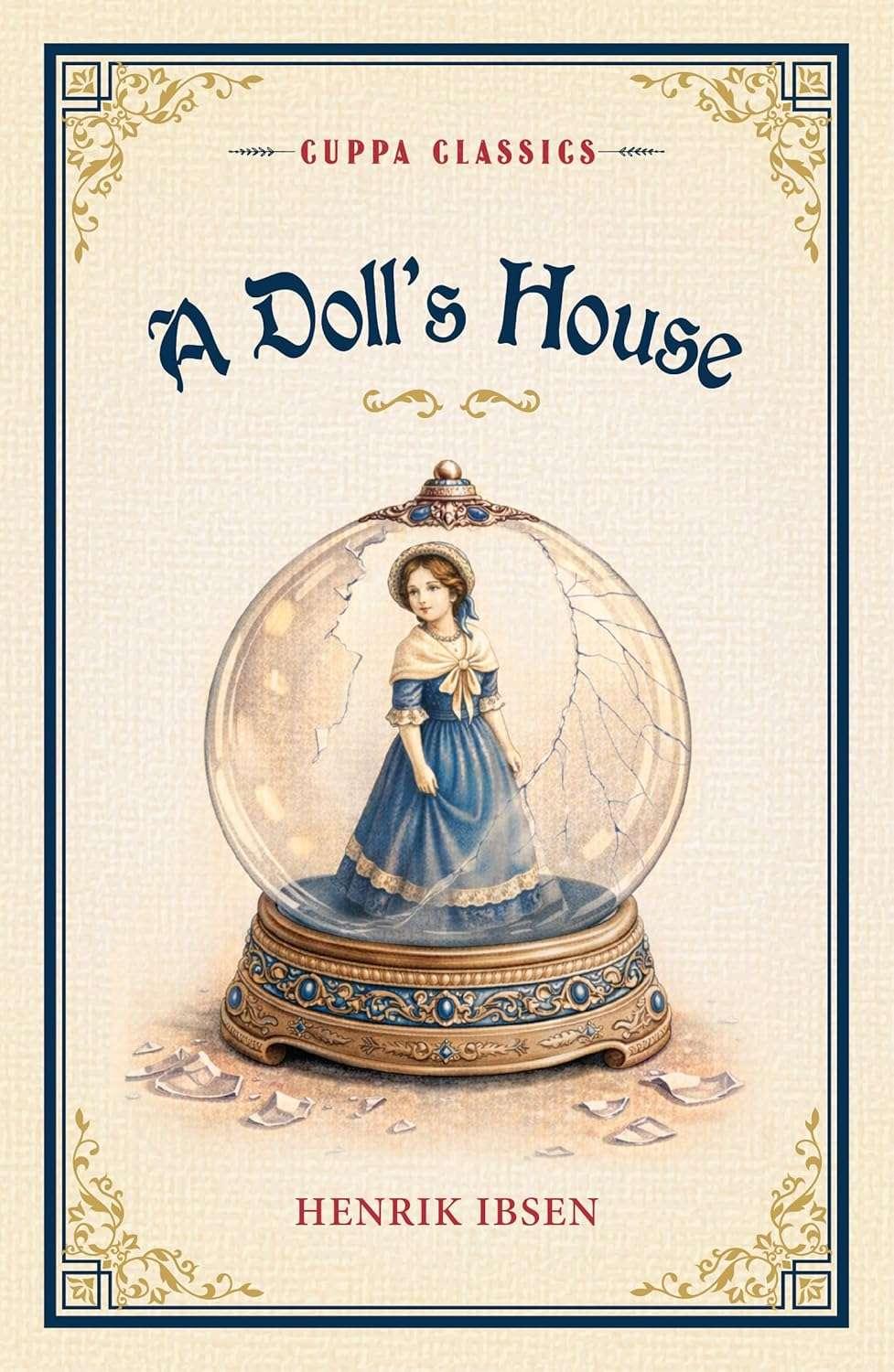
Nora Helmer from A Doll’s House

“You have never loved me. You have only thought it pleasant to be in love with me.”
When Nora Helmer walks out of her marriage at the end of A Doll’s House, she closes the door with calm, clear-eyed resolution. On the surface, she had everything—a comfortable home, a devoted husband, and a place in respectable society. Torvald’s pet names sounded affectionate. That was the problem.
Nora had spent her marriage being managed and kept pleasant, pretty, and unserious. Beneath that was a woman who had secretly taken an illegal loan, forged a signature, and repaid it to save her husband’s life. When the truth surfaces and Torvald reveals how little he respects her, something in Nora goes still. She realises she has been a doll all her life—and leaves to discover who she is.
Buy here: A Doll's House
The Women Who Walked Away—And What They Left Behind
These women lived in different centuries, spoke different languages, and faced different drawing rooms and different prisons. But the thread that ties them together is the refusal to disappear into a life that was never really built for them. None of it was easy. These were not easy choices dressed up as empowerment. They were hard, sometimes devastating, acts of self-possession in worlds that punished women for exactly that.
And yet. Here we are, still reading them. Still putting the book down for a moment when they do the thing. These women didn't just walk away from bad situations. They walked toward something—a self, an idea, a standard that the world around them hadn't caught up to yet. In that sense, they never really walked away at all. They walked ahead.
Your next read: Rebels, Radicals, and Rule-Breakers: Fascinating Facts About Women Classic Authors